AC Maintenance in Sebring, FL
AC Maintenance in Sebring, FL
Keeping your air conditioning running well in Sebring, FL is essential. With long, hot summers, high humidity, frequent thunderstorms, and a large seasonal population, Sebring homes need preventive AC maintenance to stay efficient, reliable, and comfortable. Regular tune-ups reduce breakdown risk during peak heat, improve indoor air quality, and extend equipment life-especially important when systems face heavy use and humidity-driven wear.
-min.jpeg)
Common AC problems in Sebring homes
- Clogged or dirty air filters from pollen and plant debris, reducing airflow and causing ice on the evaporator coil.
- Reduced cooling capacity caused by low refrigerant levels or slow leaks.
- Corroded coils or components accelerated by high humidity and occasional storm-related moisture.
- Electrical issues such as weakened capacitors, loose connections, or tripped breakers after frequent summer power cycling.
- Thermostat miscalibration or sensor issues leading to short-cycling or uneven temperatures.
- Clogged condensate drains and pans that can overflow and cause water damage or mold growth.
- Poor airflow from dirty ducts, failing blower motors, or restricted return vents.
Routine and seasonal maintenance programs
AC maintenance in Sebring typically follows a seasonal rhythm to match local weather patterns and occupancy cycles (including snowbirds). Common program structures include:
- Basic annual tune-up: ideal for year-round occupants who want a single inspection and cleaning before the heavy cooling season.
- Biannual service plan: recommended in Sebring where humidity and continuous use justify a spring pre-summer tune-up and a fall check to prepare for milder months and address moisture-related issues.
- Comprehensive maintenance agreement: includes scheduled tune-ups, priority scheduling, diagnostic labor, and discounted parts for repairs. These plans benefit homes with older equipment or properties with extended downtime during seasonal occupancy.
Typical AC tune-up checklist
A thorough maintenance visit covers safety, performance, and longevity items. Typical checklist items include:
- Replace or clean air filters and advise on replacement frequency based on indoor conditions.
- Inspect and clean evaporator and condenser coils to restore heat transfer efficiency.
- Check refrigerant level and test for leaks; measure superheat and subcooling when applicable.
- Test electrical components: contactors, capacitors, breakers, and wiring; measure voltage and amperage for motors and compressors.
- Verify thermostat accuracy and recalibrate or recommend replacements for nonprogrammable or malfunctioning controls.
- Inspect blower motor, belts, and blower wheel; clean as needed and measure airflow.
- Clear and test condensate drain and trap; inspect for biofilm or clogs that cause backups.
- Inspect ductwork for obvious leaks, disconnected runs, or insulation issues affecting airflow.
- Perform system performance test: measure supply and return temperatures, static pressure, and overall system runtime to confirm proper operation.
- Provide a written checklist and maintenance sticker noting date of service and items completed.
Diagnostics explained simply
Technicians use a mix of visual inspection and simple measurements to find problems before they cause outages:
- Refrigerant checks: Low refrigerant often indicates a leak. Measuring pressures and temperatures shows if the system can reach correct cooling conditions.
- Electrical tests: Measuring current draw and voltage helps catch failing motors or overloaded circuits before they fail.
- Airflow checks: Reduced airflow is a leading cause of freeze-ups and inefficiency; measuring temps across the coil and observing airflow patterns identifies restrictions.
- Drain and moisture checks: A clogged drain or dirty pan can turn into a mold issue. Technicians inspect lines and clear blockages safely.
Repairs and solutions you can expect
When maintenance uncovers an issue, common solutions include:
- Filter replacement and coil cleaning to restore airflow and cooling capacity.
- Tightening or replacing electrical connections, contactors, and capacitors to improve reliability.
- Sealing minor duct leaks or recommending a duct cleaning if contaminants are present.
- Treating or clearing condensate lines and installing strainers to prevent recurrence.
- Detecting and repairing refrigerant leaks when present; if a leak is found, technicians will explain repair options and system recovery steps.
- Recommending thermostat upgrades or recalibration for better control and efficiency.All work performed during a maintenance visit should be documented with clear notes on what was repaired, replaced, or recommended.
What to expect during a maintenance visit
- Arrival window and a quick walk-through to learn any homeowner concerns and note system age and model.
- Safe power-down and visual inspection of outdoor and indoor units.
- Filter service and cleaning for accessible components, with notes on hard-to-reach issues requiring follow-up.
- System testing under typical operating conditions to confirm runtime, temperature differential, and electrical stability.
- A summary of findings and a maintenance report outlining completed tasks, recommended repairs, and any parts that may need replacement soon.
- Advice on simple, homeowner-maintainable tasks like regular filter changes, keeping outdoor coils clear of debris, and using programmable thermostats sensibly in Sebring’s climate.
Benefits of preventive AC maintenance in Sebring
- Improved efficiency: Clean, well-tuned systems use less electricity during long cooling seasons.
- Greater reliability: Reducing surprise failures during heat waves keeps homes comfortable and prevents expensive emergency repairs.
- Longer equipment life: Routine care prevents premature compressor and motor failures caused by strain and poor airflow.
- Enhanced indoor air quality: Regular filter changes and coil cleanings reduce allergens and dust circulating indoors.
- Compliance and warranty preservation: Many manufacturers require regular maintenance to keep warranties valid.
Maintenance tips for Sebring homeowners
- Schedule a pre-summer tune-up to catch issues before peak cooling demand.
- Replace filters more frequently during high pollen months or if seasonal occupants return after long absences.
- Keep outdoor units clear of vegetation, gravel, or debris to avoid restricted airflow.
- During hurricane season, have your system inspected after storms for moisture damage or electrical issues caused by outages.
- Consider a biannual plan if your home has high occupancy, pets, or older ductwork that collects more dust.

Customer Testimonials

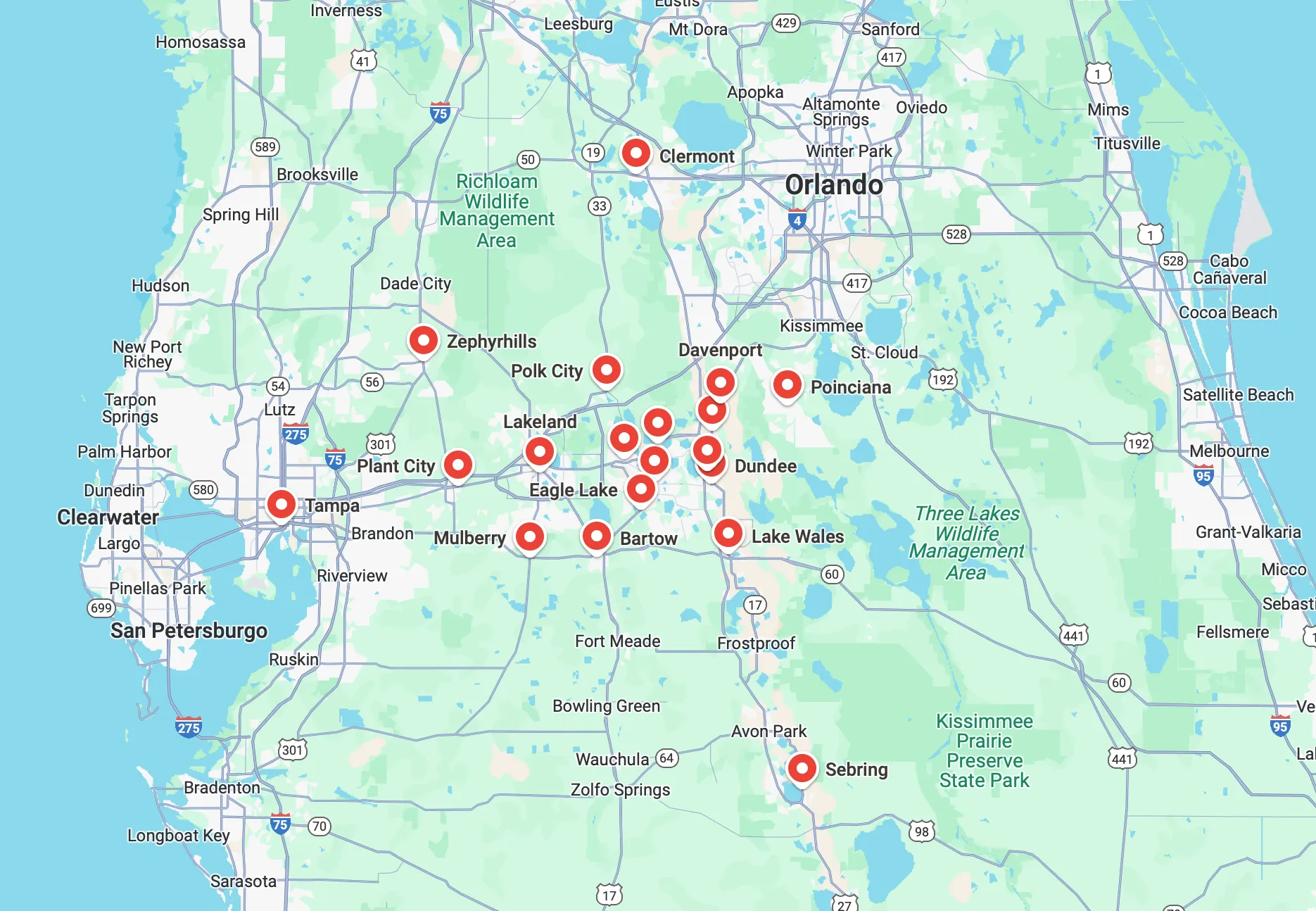
Service Areas