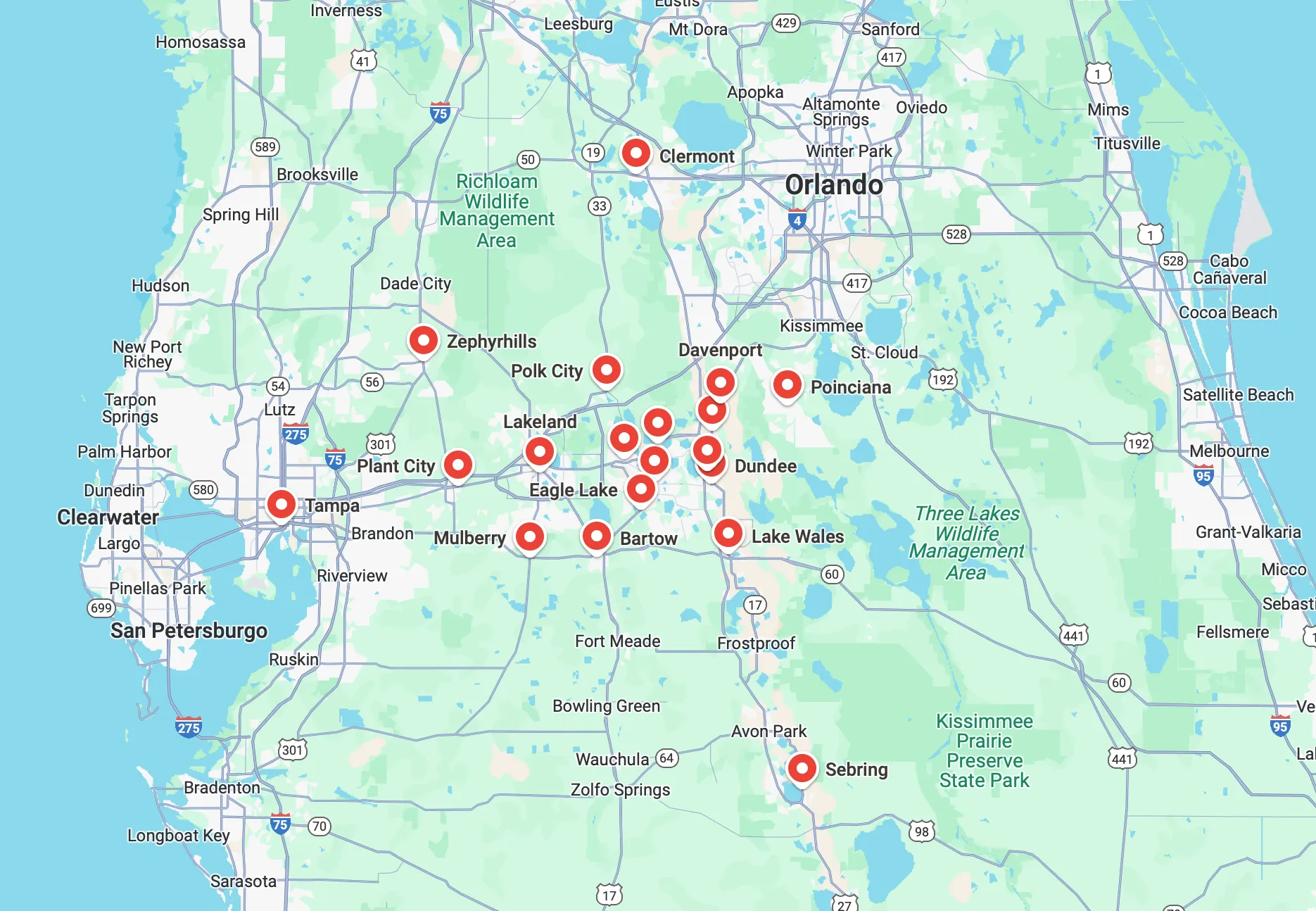
AC Replacement in Sebring, FL
AC Replacement in Sebring, FL
Replacing an aging or inefficient air conditioning system in Sebring, FL is one of the most impactful investments a homeowner can make for comfort, indoor air quality, and monthly energy savings. With long, hot, humid summers and frequent heavy AC use, Sebring homes place a high cooling demand on systems.
.webp)
When to replace vs repair
Knowing whether to repair or replace your AC depends on age, repair frequency, efficiency, and the nature of the problem. Consider replacement when:
- The system is more than 10 to 15 years old and uses phased-out refrigerants.
- Repairs are frequent or a single repair costs a large fraction of replacement.
- Energy bills are rising despite regular maintenance.
- The compressor has failed or the system has repeated refrigerant leaks.
- There are persistent comfort issues: uneven cooling, high humidity indoors, or short cycling.
- You want better energy efficiency, quieter operation, and improved humidity control.
Repair makes sense for isolated, inexpensive failures on newer systems. Replacement is the better long-term choice when reliability, efficiency, and comfort across a humid Florida summer matter.
System evaluation and load calculation
A professional AC replacement should begin with a thorough evaluation and an accurate load calculation tailored to your Sebring home.
Key steps:
- Visual inspection of the indoor and outdoor units, ducts, refrigerant lines, and electrical connections.
- Measure airflow, static pressure, and check refrigerant charge.
- Perform a Manual J load calculation to determine the exact cooling capacity needed based on:
- House size, insulation levels, window types and orientation.
- Ceiling heights, attic ventilation, and shading.
- Occupancy and appliance heat gains.
- Sebring-specific climate factors: high humidity and extended cooling season increase sensible and latent loads.
- Evaluate ductwork (Manual D) for sizing, leaks, and insulation; leaky or undersized ducts reduce system efficiency and comfort.
- Use Manual S guidelines to match system components to the calculated load and the homeowner’s efficiency goals.
Accurate load calculations avoid common mistakes like oversizing. In humid climates like Sebring, a properly sized system runs longer at lower speeds, which improves dehumidification and overall comfort.
Comparing energy-efficient models and SEER ratings
SEER (Seasonal Energy Efficiency Ratio) measures cooling efficiency across an average season. Higher SEER equals better efficiency and lower operating costs, especially in a high-use climate like Central Florida.
Considerations for Sebring homes:
- A higher SEER model reduces runtime during the long cooling season, translating to meaningful energy bill reductions.
- Variable-speed compressors and two-stage units provide better humidity control and steadier temperatures than single-stage systems.
- Modern units use more environmentally friendly refrigerants and improved heat-exchanger design for higher performance.
- Matching the indoor coil to the outdoor condenser is critical to achieve rated SEER and warranty compliance.
Typical performance comparison:
- Mid-efficiency models (lower to mid SEER): lower upfront cost, adequate for mild cooling loads.
- High-efficiency models (higher SEER, variable-speed): greater upfront investment but larger long-term savings and better humidity control—often the best match for Sebring’s heat and humidity.
Removal and disposal of old equipment
Responsible removal protects your property and the environment.
Standard removal steps:
- Recover and document refrigerant using certified recovery equipment.
- Disconnect electrical, line sets, and duct transitions safely.
- Remove outdoor condenser and indoor air handler/coil from the home.
- Recycle metals and follow local regulations for disposal of components such as compressors and refrigerant oils.
- Dispose of old pads and piping per local guidelines; clean and prepare the site for new equipment.Permitting and environmental compliance are part of the process. Proper refrigerant recovery is mandatory and prevents fines and environmental harm.
Installation timeline and what to expect
Typical residential AC replacement timeline:
- Pre-install evaluation and load calculation: 1 visit (hour or two).
- Permits and scheduling: can take from a couple of days to a couple of weeks depending on local permit turnaround.
- Installation day(s): a straightforward swap is often completed in 1 to 2 days. Complex installs (new ductwork, electrical upgrades, or structural work) may take longer.
- Final startup and testing: system charge, airflow balancing, thermostat calibration, and inspection.
Expect technicians to verify matched equipment, proper refrigerant charge, correct airflow, and to provide documentation for permits and warranties.
Financing and rebate options
Many homeowners in Sebring finance replacements to manage upfront costs. Typical options include:
- Manufacturer or dealer financing plans with fixed monthly payments.
- Local utility or state rebate programs for installing high-efficiency systems or heat pumps.
- Federal tax incentives available for qualifying high-efficiency equipment (subject to current regulations and eligibility).
- Seasonal promotions or bundled financing for equipment plus maintenance plans.
Documentation of equipment efficiency, contractor invoices, and compliance with program requirements is usually needed to qualify for rebates or tax incentives.
Warranty coverage and protecting your investment
Warranties commonly include:
- Manufacturer parts warranty (varies by component).
- Compressor warranty (may be longer term).
- Optional extended labor warranties from installers.
- Transferable warranties if you sell the home.
To maintain warranty coverage:
- Register the equipment per manufacturer instructions.
- Keep records of installation and maintenance.
- Follow recommended maintenance schedules, typically annual professional tune-ups.
Matching components and having certified installation are often required to keep manufacturer warranties valid.
Expected energy and comfort benefits in Sebring, FL
Replacing an old AC system in Sebring brings specific, measurable benefits:
- Lower monthly cooling costs through higher SEER and improved system efficiency.
- Better humidity control with variable-speed or two-stage systems, reducing mold risk and sticky indoor conditions common in Florida.
- More consistent indoor temperatures and quieter operation.
- Reduced frequency and cost of repairs.
- Improved indoor air quality when combined with upgraded filtration and proper duct sealing.
- Increased home value and appeal to future buyers in a region where efficient cooling is essential.
Longer-term, proper sizing and installation tailored to Sebring’s climate will deliver the best balance of runtime, dehumidification, and energy savings.
Maintenance tips after replacement
Keep your new system performing as intended:
- Replace or clean filters every 1 to 3 months.
- Schedule annual professional tune-ups before peak season.
- Keep at least 2 feet of clearance around the outdoor unit and free of debris.
- Ensure attic insulation and duct sealing are in good condition to reduce cooling demand.
- Use programmable or smart thermostats to reduce runtime during unoccupied periods.
Regular maintenance preserves efficiency, maintains comfort, and protects warranty coverage.

Customer Testimonials

Service Areas