AC Service in Lake Wales, FL
AC Service in Lake Wales, FL
Keeping your home comfortable and safe during Lake Wales summers depends on reliable air conditioning. AC Service in Lake Wales, FL covers repair, installation, replacement, tune-up, and preventative maintenance tailored to local weather patterns: hot, humid summers, frequent thunderstorms, and high cooling loads that strain systems.
.webp)
Why local AC service matters in Lake Wales, FL
Lake Wales experiences long cooling seasons and high humidity that increase runtime and accelerate wear on components. Homes here also contend with pollen, dust from dry spells, and storm-related power fluctuations. Properly sized equipment, correct refrigerant handling, and thorough duct and drain care are essential to maintain efficiency, prevent indoor air quality problems, and avoid frequent breakdowns.
Common AC issues in Lake Wales homes
- Poor cooling or uneven temperatures across rooms
- High humidity or persistent condensation in living spaces
- Reduced airflow from vents (clogged filters, duct leaks, or failing blower motors)
- Strange noises (buzzing, rattling, or grinding) indicating mechanical or electrical faults
- Frequent short cycling (system turns on and off rapidly) leading to higher energy use
- Water leaks or clogged condensate drains that can cause staining or mold growth
- Hard-starting compressors or failed outdoor units after storms or power surges
Understanding these problems helps prioritize service. For example, humidity-related complaints often require both refrigerant and airflow checks plus drain and coil cleaning, while short cycling may point to electrical issues, thermostat faults, or improper system sizing.
AC services offered
- AC repair in Lake Wales, FL: Diagnostics, part replacement (capacitors, contactors, motors), refrigerant leak detection and repair, electrical troubleshooting, and compressor work. Technicians isolate root causes and recommend durable fixes rather than temporary patches.
- AC installation: Evaluation of home cooling needs, load calculations (right-sizing), selection of energy-efficient equipment (SEER ratings), and professional installation that meets local codes and ensures proper duct sealing and airflow.
- AC replacement: Options for replacing aging or inefficient systems with modern high-efficiency units, including guidance on equipment lifetime, efficiency gains, and reduced operating costs.
- Tune-up and seasonal maintenance: Comprehensive inspections before peak cooling season that include filter replacement, coil cleaning, refrigerant level check, electrical component testing, thermostat calibration, and condensate drain servicing.
- Preventative maintenance plans and service agreements: Scheduled visits, priority service windows, and documented inspection records that help extend equipment life and improve reliability.
- Emergency response: Rapid troubleshooting for system failures during heat waves, including diagnosis and temporary measures to restore safe operation until full repairs can be completed.
Diagnostic process - what to expect
A professional service visit typically follows a systematic workflow:
- Visual inspection of indoor and outdoor units for obvious damage or debris.
- Airflow assessment at vents and register pressures to pinpoint duct or blower problems.
- Electrical testing of capacitors, contactors, breakers, and control circuits to identify failures or safety risks.
- Refrigerant checks for correct charge and leak detection; modern systems often use R-410A or other approved refrigerants handled per regulations.
- Performance testing under load to confirm capacity, efficiency, and that the system maintains set temperatures.
- Clear documentation of findings and a recommended plan that may include repair, part replacement, or replacement options if the unit is beyond economical repair.
Technicians should explain findings in plain language and outline the benefits and tradeoffs of each option (repair vs replacement, efficiency improvements, expected lifespan).
Repairs and solution explanations
- Refrigerant leaks: Locate and repair leaks, recover and recharge refrigerant following regulations, and test system under load.
- Electrical replacements: Replace worn capacitors, contactors, and relays; tighten connections; and test for safe operation.
- Mechanical fixes: Replace fans, belts, bearings, or compressors as needed-selected based on failure mode and remaining system life.
- Drain and coil care: Clear condensate lines, treat and clean coils to restore heat transfer and prevent mold.
- Ductwork issues: Seal or insulate ducts to improve airflow and reduce humidity problems; evaluate for mold or contamination.
Timely action prevents secondary damage (mold, structural water damage, higher energy bills) and avoids emergency replacements during peak season when service times lengthen.
Technician qualifications and certifications
Expect technicians servicing Lake Wales systems to be:
- EPA certified for refrigerant handling (required for legal refrigerant recovery and recharge).
- Trained in modern HVAC diagnostics and safety procedures.
- Experienced with common local issues such as high-humidity performance, heat load calculations for Florida homes, and storm-related electrical troubleshooting.
- Familiar with manufacturer installation requirements and local building codes that affect replacements and permits.
Ask for documentation of certifications and service records if you need proof of training or for warranty purposes.
Service areas and realistic response times
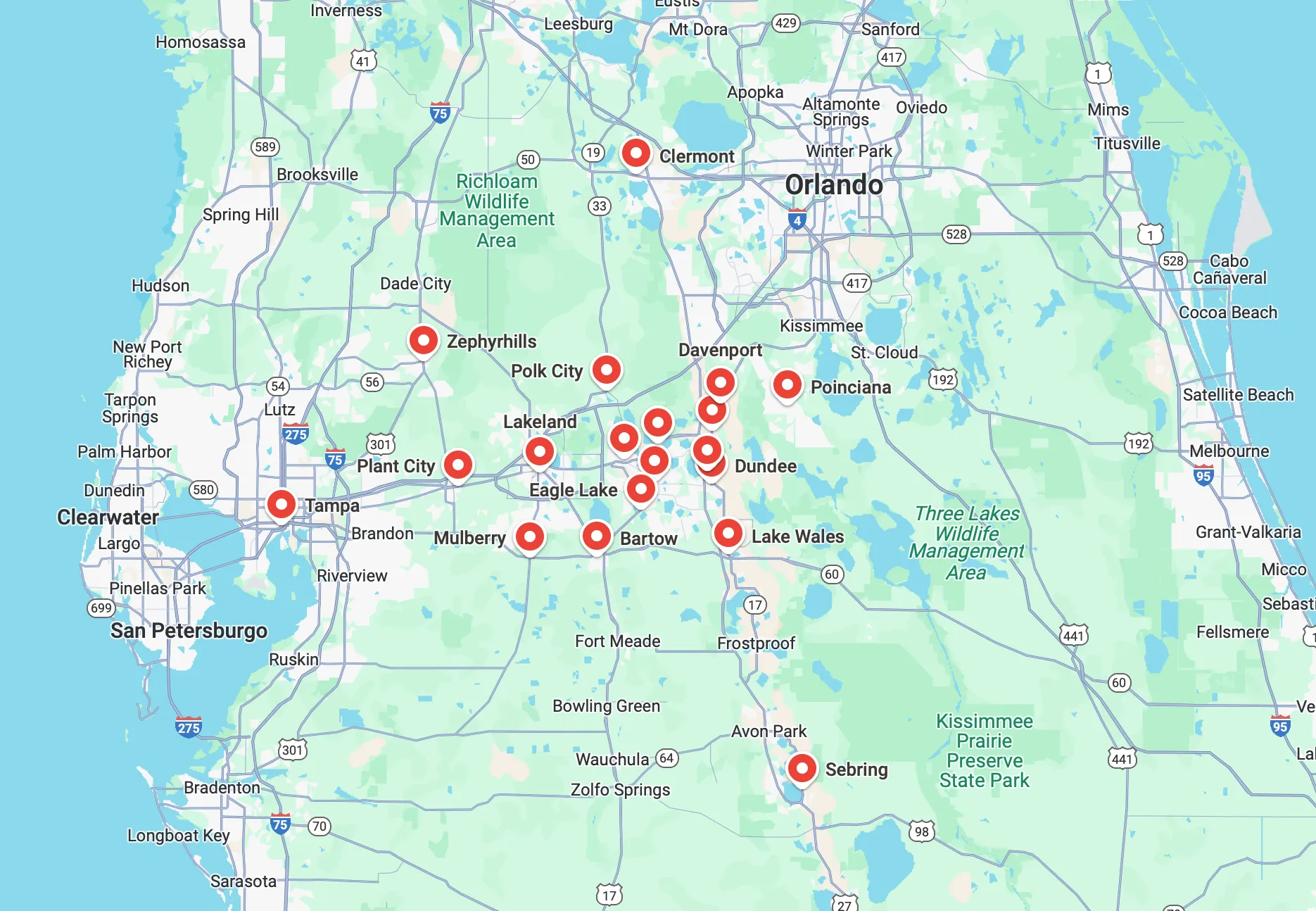
Local providers typically cover Lake Wales and nearby Polk County communities. Response times vary by season: peak summer demand can extend wait times, while off-peak months allow quicker scheduling. Emergency callouts for no-cool conditions during extreme heat are prioritized, though availability depends on technician crews and regional weather events. Preventative maintenance in spring can help avoid urgent repairs when temperatures climb.
Service agreements, warranties, and what they include
A comprehensive service agreement in Lake Wales should include:
- Scheduled seasonal inspections and tune-ups with documented checklists.
- Priority or expedited service windows during peak season.
- Clear descriptions of what is covered (labor, diagnostics) and what is excluded (parts, refrigerant).
- Records that preserve manufacturer warranty conditions (proper maintenance documentation).
- Recommendations for long-term replacement planning based on system age and repair history.
Agreements provide predictable care and often prevent the most disruptive breakdowns that occur during the hottest months.
Maintenance tips to maximize system life and comfort
- Replace or clean air filters monthly during heavy-use months.
- Keep outdoor units clear of debris, grasses, and landscaping for proper airflow.
- Maintain thermostat batteries and consider programmable thermostats to reduce unnecessary runtime.
- Schedule annual spring tune-ups to address refrigerant levels, clean coils, and verify electrical safety before peak cooling demands.
- Monitor condensate drains and pans for slow drainage or staining that may signal blockages.

Customer Testimonials

Service Areas