AC Maintenance in Lake Wales, FL
AC Maintenance in Lake Wales, FL
Keeping your air conditioning system running reliably and efficiently is essential in Lake Wales, FL, where long, hot, humid summers put continuous strain on cooling equipment. Regular AC maintenance reduces the risk of mid-summer breakdowns, lowers energy bills, improves indoor air quality, and extends equipment life. This page explains routine and preventive AC maintenance programs, seasonal tune-up checklists, recommended frequency, membership-style service-plan options, and how maintenance visits are scheduled for Lake Wales homes.
-min.jpeg)
Why AC maintenance matters in Lake Wales, FL
Lake Wales experiences high humidity, frequent afternoon thunderstorms, and seasonal pollen loads. Those local conditions increase system wear in several ways:
- High humidity forces systems to run longer to remove moisture, increasing compressor and fan use.
- Frequent storms and lightning can cause power fluctuations that stress electrical components.
- Pollen and landscape debris clog filters and outdoor coils faster than in drier climates.
- Standing moisture in drain pans and lines encourages mold and bacterial growth, degrading indoor air quality.
Regular preventive maintenance addresses these local stressors before they cause costly failures or unhealthy air inside your home.
Common AC problems in Lake Wales homes
Understanding the typical issues helps prioritize preventive tasks:
- Reduced airflow from clogged filters, dirty blower wheels, or duct restrictions.
- Frozen evaporator coils caused by restricted air or low refrigerant.
- Short cycling or frequent on-off cycles due to thermostat or electrical problems.
- Refrigerant leaks and low charge, reducing cooling capacity and efficiency.
- Clogged condensate drains and pans leading to overflow, water damage, and mold.
- Corroded outdoor coils and contacts accelerated by humid conditions.
- Component wear from power surges during thunderstorms (capacitors, contactors, compressors).
Seasonal tune-up checklist (what a professional visit includes)
A thorough Lake Wales AC tune-up covers both performance and safety. Typical tasks include:
- Inspect and change air filters (and recommend frequency based on home conditions)
- Clean evaporator and condenser coils to restore heat transfer efficiency
- Check refrigerant levels and test for leaks with electronic leak detection
- Inspect electrical components: contactors, capacitors, relays, wiring, and terminals for secure connections and signs of overheating
- Measure amp draw and voltage to verify motor and compressor health
- Test thermostat accuracy and recalibrate or replace batteries if needed
- Inspect and lubricate fan and motor bearings where applicable
- Clean and clear condensate drain lines and pans; check for biocide or trap issues
- Inspect blower assembly and airflow; check for duct restrictions or disconnected ductwork
- Verify proper system startup, run cycles, and temperature split (supply vs return)
- Check outdoor unit pad level, fan operation, and cabinet condition; remove debris from around unit
- Document findings and recommend repairs or efficiency improvements
This checklist is adapted to Lake Wales conditions, with extra focus on coil cleaning and drain maintenance to combat humidity, pollen, and storm-related debris.
Benefits of regular maintenance
Routine service delivers measurable advantages:
- Improved energy efficiency and lower monthly cooling bills by keeping coils and airflow optimal
- Fewer emergency repairs and reduced risk of mid-season breakdowns
- Longer equipment life and better return on the initial investment
- Better indoor air quality through filter changes and drain cleaning, reducing mold and allergens
- Safer operation with electrical inspections that reduce fire risk and component failure
- Preservation of manufacturer warranties that often require documented annual service
Recommended service frequency for Lake Wales homes
Maintenance needs vary by usage and home conditions, but typical recommendations for this region are:
- Professional comprehensive tune-up: annually before the high-use cooling season (spring). For homes with heavy use or older systems, consider biannual service (spring and fall).
- Filter replacement: every 1 to 3 months depending on filter type, pets, and pollen levels—monthly checks during peak pollen and summer months are common.
- Drain inspection and coil cleaning: at least annually; more often if you notice moisture buildup or reduced dehumidification.
- Priority households (allergies, multiple pets, rental properties): quarterly tune-ups can prevent issues and maintain indoor comfort.
Membership and service-plan options (typical structure)
Preventive maintenance programs are structured to simplify care and ensure consistent performance. Common tiers include:
- Basic Plan: annual tune-up, priority booking window, and filter reminder service.
- Plus Plan: biannual visits, discounted diagnostics and repairs, and documented service reports.
- Premium/Comprehensive Plan: quarterly inspections, priority emergency access, parts discounts, seasonal system optimization (e.g., refrigerant top-off where appropriate), and extended documentation for warranty compliance.
Typical plan benefits tailored to Lake Wales homeowners:
- Priority scheduling around humid summer months
- Reduced repair diagnostic fees or labor discounts
- Seasonal reminders timed for pre-summer and post-winter checks
- Maintenance history kept for resale value and warranty proof
How maintenance visits are scheduled and what to expect
A professional maintenance program for Lake Wales properties usually follows these steps:
- Appointment window: You are offered a scheduled window aligned with seasonal needs—spring is best for full tune-ups. Many programs reserve priority slots for members during peak months.
- Arrival protocol: A licensed technician arrives with identification, safety equipment, and a checklist. They perform an exterior and interior inspection that respects homeowner preferences.
- Diagnostic inspection: Technicians use gauges, multimeters, airflow meters, and thermal readings to assess system health.
- Performed maintenance: Filter change, coil and drain cleaning, electrical checks, refrigerant level verification, and system performance testing are completed and logged.
- Service report: You receive a clear summary of findings, photos if needed, maintenance performed, and any recommended repairs with explanations of why they matter.
- Scheduling follow-up: If additional work is recommended, technicians outline priority and expected timelines. For members, follow-up appointments and reminders are scheduled automatically.
Technicians following best practices will explain any abnormal findings in plain language and document service to help preserve equipment warranties and resale records.
Routine tips for Lake Wales homeowners between visits
- Check and replace filters monthly during pollen season and summer peak use.
- Keep vegetation and debris at least 2 feet away from outdoor units to maintain airflow.
- Monitor the condensate line for slow drainage or standing water and report blockages promptly.
- Use a programmable thermostat to avoid unnecessary cycling and reduce strain during daytime peaks.
- Be aware of odd sounds or reduced cooling capacity—early reporting saves parts and prevents major failures.

Customer Testimonials

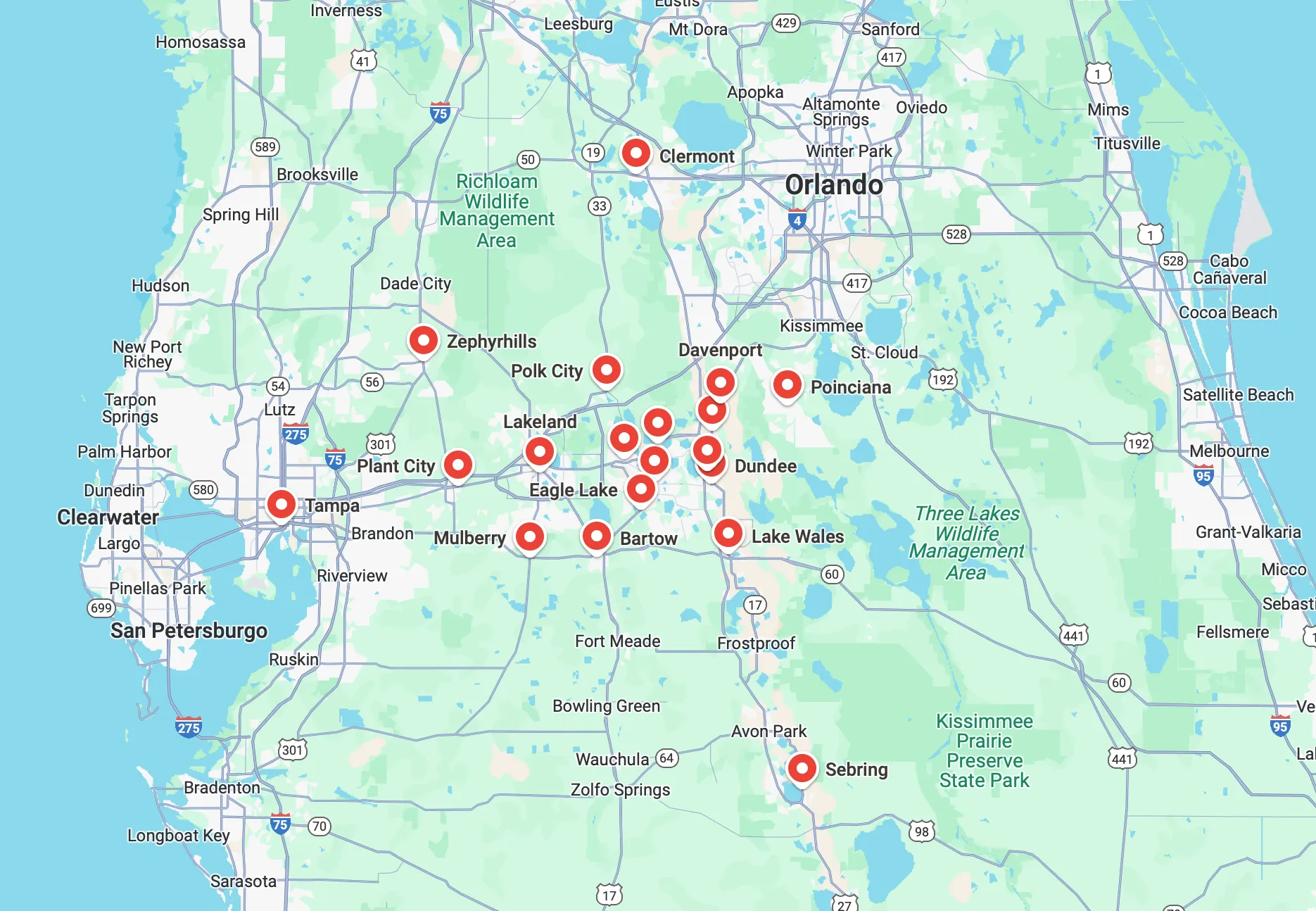
Service Areas