AC Replacement in Lake Wales, FL
AC Replacement in Lake Wales, FL
Replacing your air conditioner is a major decision for Lake Wales homes because high humidity and long cooling seasons put heavy demand on equipment. This page explains when full AC replacement is the better choice over repairs, how professionals size and install new systems, what happens to old equipment, financing and rebate options common to Florida homeowners, typical timelines, and warranty considerations so you can make an informed, low-regret choice.
.webp)
When replacement is recommended versus repair
Understanding whether to repair or replace comes down to system age, reliability, efficiency, and the nature of the problem.
Common signs replacement is the better option:
- Unit age: older systems lose efficiency and reliability; frequent failures become more likely.
- Recurring breakdowns: repeated service calls signal multiple components are near end of life.
- Poor cooling or uneven temperature: indicates major component failure, refrigerant issues, or undersized equipment.
- Rising energy use: a sharp increase in utility bills often signals lost efficiency.
- Compressor failure, extensive corrosion, or a damaged evaporator coil: repairs can be expensive and temporary.
- Use of phased-out refrigerants: older units using R-22 are harder and more costly to service.
When repairs are limited (single, isolated component, expected long-term life remains), a repair can be practical. When problems are systemic, frequent, or tied to age, replacement provides better comfort, reliability, and long-term savings in Lake Wales’ hot, humid climate.
Choosing the right system for Lake Wales, FL
Lake Wales’ climate means cooling capacity and humidity control are priorities. Key selection principles:
- Proper sizing (Manual J load calculation): ensures the system can handle peak summer heat without short-cycling or poor dehumidification.
- Efficiency ratings: choose a system with a high SEER and, for heat pumps, HSPF ratings to reduce summer electric use.
- Humidity management: consider equipment or add-ons (variable-speed compressors, two-stage systems, or dedicated dehumidification) for improved comfort.
- System type: central split systems, heat pumps, packaged units, and ductless mini-splits each have pros and cons depending on your home layout and duct condition.
- Ductwork condition: leaky or undersized ducts compromise replacement benefits; inspect and seal or modify ducts as needed.
Brands and models commonly recommended
Technicians in Central Florida commonly work with well-known manufacturers that offer efficiency and regional support. Options include:
- Carrier, Trane, Lennox, Rheem, Goodman, Bryant, Daikin, Mitsubishi (for ductless)Each brand offers multiple efficiency tiers and models (single-stage, two-stage, variable-speed). Discuss warranty terms and local parts availability when comparing.
Removal of old equipment
Safe, code-compliant removal involves:
- Recovering refrigerant per EPA requirements
- Disconnecting electrical, refrigerant lines, and condensate
- Removing outdoor condensing units and indoor air handlers or evaporator coils
- Disposing or recycling metal, insulation, and residual refrigerant oils according to local rules
- Inspecting and documenting duct and electrical connections for reuse or upgrade
Local building permits and disposal rules usually apply; installers coordinate permits and final disposal paperwork.
Professional installation process
A professional, code-compliant installation typically follows these steps:
- Initial site assessment and Manual J load calculation
- Equipment selection and confirmation of sizing, SEER, and accessories
- Obtaining required local permits
- Scheduling removal of the old unit and preparation of the installation area
- Installing new outdoor unit, indoor coil/air handler or indoor unit for ductless systems
- Installing appropriate line sets, condensate drainage, electrical connections, and safety controls
- Proper refrigerant charging and leak testing
- Airflow balancing, static pressure check, and thermostat setup (including programmable or smart thermostats)
- System startup, performance verification, and homeowner walkthrough
- Documentation of work, warranty registration, and maintenance recommendations
Proper installation is as important as equipment choice. In Florida’s climate, attention to refrigerant charge, airflow, and drainage is crucial for performance and longevity.
Financing, rebates, and incentives relevant to Lake Wales
Replacing an AC is a significant investment, but several assistance and incentive paths can help:
- Utility rebates: many Florida utilities provide rebates for high-efficiency equipment and qualified heat pumps; local programs change regularly.
- Federal and state incentives: energy-efficiency tax credits or federal incentives for qualifying heat pumps may be available; eligibility depends on model and program year.
- Manufacturer financing and contractor financing: staggered payment plans and promotional financing options are often available through manufacturers or local contractors.
- Energy-efficiency rebate programs tied to home energy audits or certification may apply.
Because programs vary, review current utility and federal programs and confirm eligibility for the specific equipment you plan to install.
Expected timeline and what to plan for
Typical timelines for a full system replacement:
- Initial assessment and quote: a few days to a week depending on scheduling
- Permit processing: varies locally; often a few days to a couple of weeks
- Installation: most standard split-system replacements are completed in one to two days for straightforward installs
- Complex installs (duct modifications, custom equipment, or multi-zone ductless) can take several days
Plan for technicians on-site for the full install day; expect power to be off briefly for electrical tie-ins. Allow extra time for permit inspections and any necessary duct repairs.
Warranty, maintenance, and long-term considerations
Warranty and proper maintenance protect your investment:
- Manufacturer warranties: typically cover parts and compressors for specified years; terms vary by model and often require product registration.
- Labor warranties: some installers provide limited labor warranties for a defined period after installation.
- Maintenance plans: regular tune-ups, filter changes, and annual inspections keep efficiency high and preserve warranty status.
- Warranty registration and documented maintenance are often conditions to maximize coverage.
Keep records of permits, installation documents, and maintenance visits. For Lake Wales homes, annual preseason inspections before summer reduce the risk of mid-season failures.
Final considerations for Lake Wales homeowners
AC replacement in Lake Wales, FL should prioritize right-sizing, humidity control, and high efficiency to handle long cooling seasons and humid conditions. A professional assessment that includes a load calculation, duct inspection, permit handling, and a clear installation plan will maximize comfort and system life while aligning with available rebates and warranties. Making decisions informed by local climate impacts and long-term maintenance needs prevents common replacement regrets and delivers predictable indoor comfort for years.

Customer Testimonials

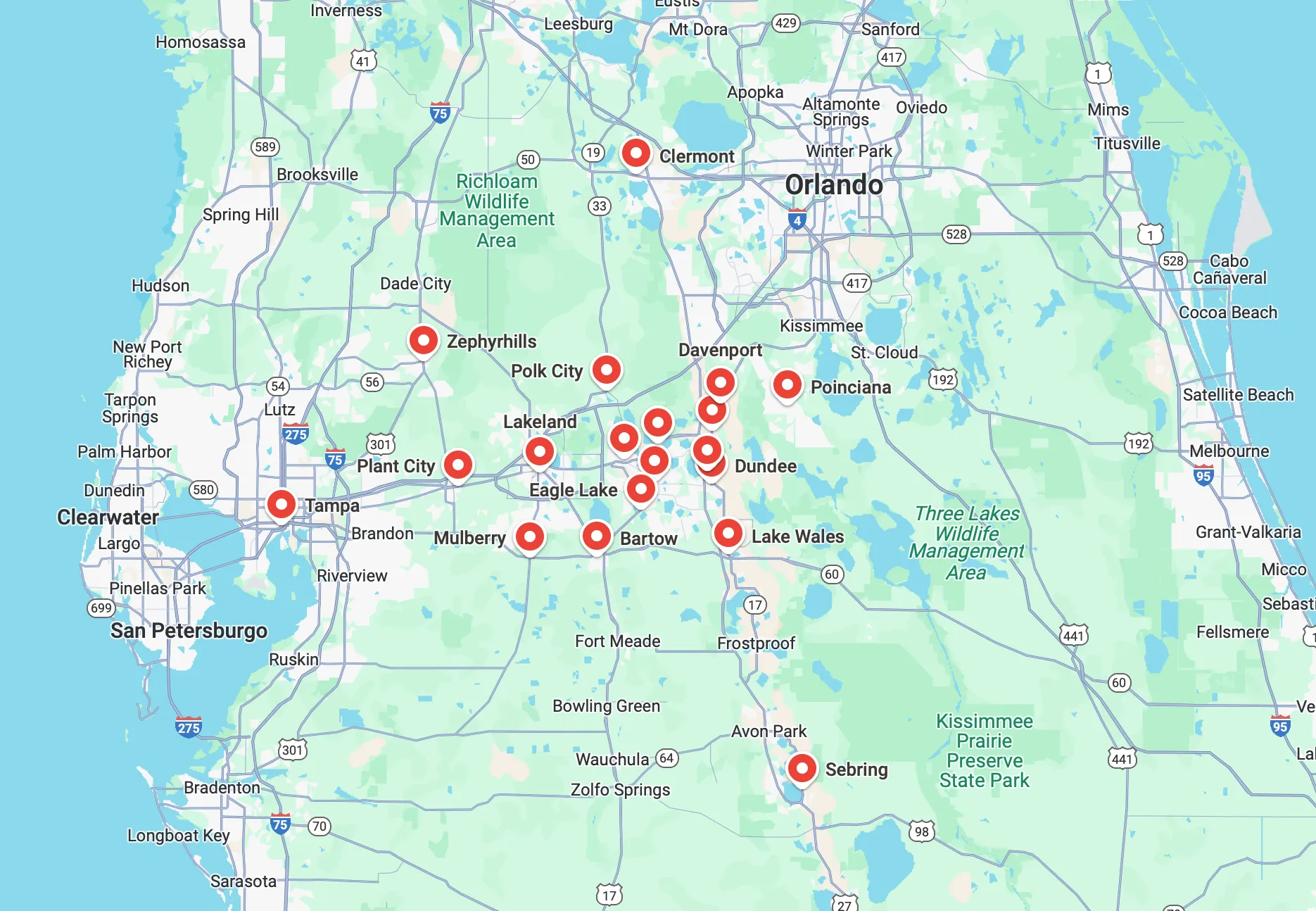
Service Areas