AC Replacement in Haines City, FL
AC Replacement in Haines City, FL
Replacing an aging or failing air conditioning system is one of the most effective ways to improve home comfort and reduce monthly energy bills in Haines City, FL. With long, hot, humid summers and occasional severe weather, the right replacement system must be sized and installed to handle both high cooling loads and moisture control.
.webp)
Why timely AC replacement matters in Haines City
Haines City homes face extended cooling seasons and high humidity. Older systems struggle to maintain set temperatures and control moisture, which increases energy use and promotes mold or mildew. Many older units also lose efficiency due to wear, refrigerant leaks, or degraded ductwork. Replacing an inefficient system improves comfort, indoor air quality, and energy performance-especially important here where air conditioning runs frequently.
Common AC problems that lead to replacement
- Chronic breakdowns or expensive repairs on aging equipment
- Poor humidity control and frequent short-cycling
- Noticeable rise in energy bills despite routine maintenance
- Refrigerant type phased out or leaking (requiring costly retrofits)
- Noisy operation, compressor failure, or corroded outdoor coils
- Ductwork leaks or undersized equipment unable to meet load
Comprehensive assessment before replacement
A proper AC replacement begins with a thorough evaluation of your existing system and home:
- Visual inspection of the outdoor condensing unit, air handler, ductwork, and thermostat
- Review of system age, maintenance history, and recent repair records
- Measurement of airflow and temperature differentials to identify performance gaps
- Roof, attic, and insulation checks to determine building heat gains
- Load calculation (Manual J or equivalent) to determine the correct system size for your specific house and occupancy
Why accurate sizing matters: Oversized equipment cools too quickly, creating short cycles that waste energy and fail to remove humidity. Undersized systems run continuously and can never reach comfort targets. Proper load calculation is essential for reliable comfort in Haines City’s hot, humid climate.
Comparison of system types and efficiency ratings
- Central split systems: Most common for single-family homes. A separate outdoor condenser and indoor coil provide effective whole-home cooling when properly matched.
- Heat pumps: Very efficient in Florida’s mild winters and strong for cooling. Modern heat pumps offer excellent dehumidification and energy savings compared to older AC-only systems.
- Ductless mini-splits: Good option for additions, zoned control, or homes without existing ducts. Provide high efficiency and flexible installation.
- Packaged systems: Common for homes without attic space; all components in a single outdoor unit.
Efficiency metrics to consider:
- SEER (Seasonal Energy Efficiency Ratio): Higher SEER means better cooling efficiency. Modern systems typically range from mid-teens to over 20 SEER.
- EER and HSPF: Useful for comparing performance under specific conditions and for heat pump heating efficiency.
In Haines City, upgrading from an older, low-SEER unit to a modern high-SEER system commonly results in noticeable energy savings. Actual savings vary based on house size, usage patterns, and duct efficiency, but homeowners often see substantial reductions in cooling costs and improved comfort.
Financing and rebate options
Replacement systems are a larger upfront investment, but multiple payment and incentive pathways can reduce net cost over time. Common options include:
- Manufacturer and dealer financing plans
- Utility rebates for high-efficiency equipment or duct sealing
- Federal or state tax incentives in certain years for qualifying high-efficiency heat pumps and ENERGY STAR models
- Local program rebates or performance-based incentives
Eligibility and availability change frequently, so review current programs when planning a replacement. Choosing a system with higher efficiency and proper installation often improves eligibility for many rebates.
Removal, disposal, and environmental considerations
Responsible replacement includes proper removal and disposal of the old unit:
- Refrigerant recovery and disposal must follow EPA regulations to prevent atmospheric release
- Old metal and components are recycled where possible
- Duct disposal or salvage is handled according to local waste guidelines
- Permitting and inspections ensure installations meet Florida Building Code requirements, including wind-resistance and electrical safety where applicable
Typical installation timeline and what to expect
- Pre-installation assessment and load calculation: 1 visit
- Permit acquisition and scheduling: varies by jurisdiction
- Installation day(s): Most single-family split-system replacements are completed in 1 to 2 days. Complex installs, duct upgrades, or multi-zone systems may take 2 to 4 days.
- Post-installation testing: airflow, refrigerant charge, thermostat calibration, and system startup checks occur before completion
Plan for brief interruptions to indoor access during installation and allow time for permit processing if required.
Warranties and expected energy savings
- Manufacturer warranties commonly cover parts for 5 to 10 years; compressors sometimes have extended warranties. Labor warranties vary by installer.
- Proper installation is critical to realizing warranty coverage-matching components and charging to manufacturer specifications matters.
- Expected energy savings depend on the efficiency gap between old and new equipment and duct performance. Replacing a very old unit with a modern 16–20+ SEER system often yields significant reductions in cooling energy use; typical ranges depend on climate, usage, and home envelope performance.
Tips for selecting the right model for your Haines City property
- Insist on a professional load calculation, not rule-of-thumb sizing.
- Consider a matched system (indoor coil and condenser designed to work together) for reliable performance.
- Prioritize dehumidification: Select models or features that provide good moisture control to improve comfort during humid months.
- Inspect and upgrade ducts if needed: sealed, insulated ducts improve efficiency and indoor air distribution.
- Balance efficiency and upfront cost: higher SEER yields lower operating costs but higher initial price; calculate payback based on your usage.
- Evaluate noise levels, warranty terms, and available service support in your area.
- For homes prone to strong storms, ensure the system meets local wind-load requirements and that outdoor units are properly secured.
Final notes on long-term benefits and maintenance
A properly sized and installed replacement system restores consistent comfort, better humidity control, and lower energy bills in Haines City’s climate. Long-term performance depends on quality installation and routine maintenance such as filter changes, annual tune-ups, and duct inspections. Investing in the right system now reduces the likelihood of costly emergency repairs, improves indoor air quality, and enhances overall home value.

Customer Testimonials

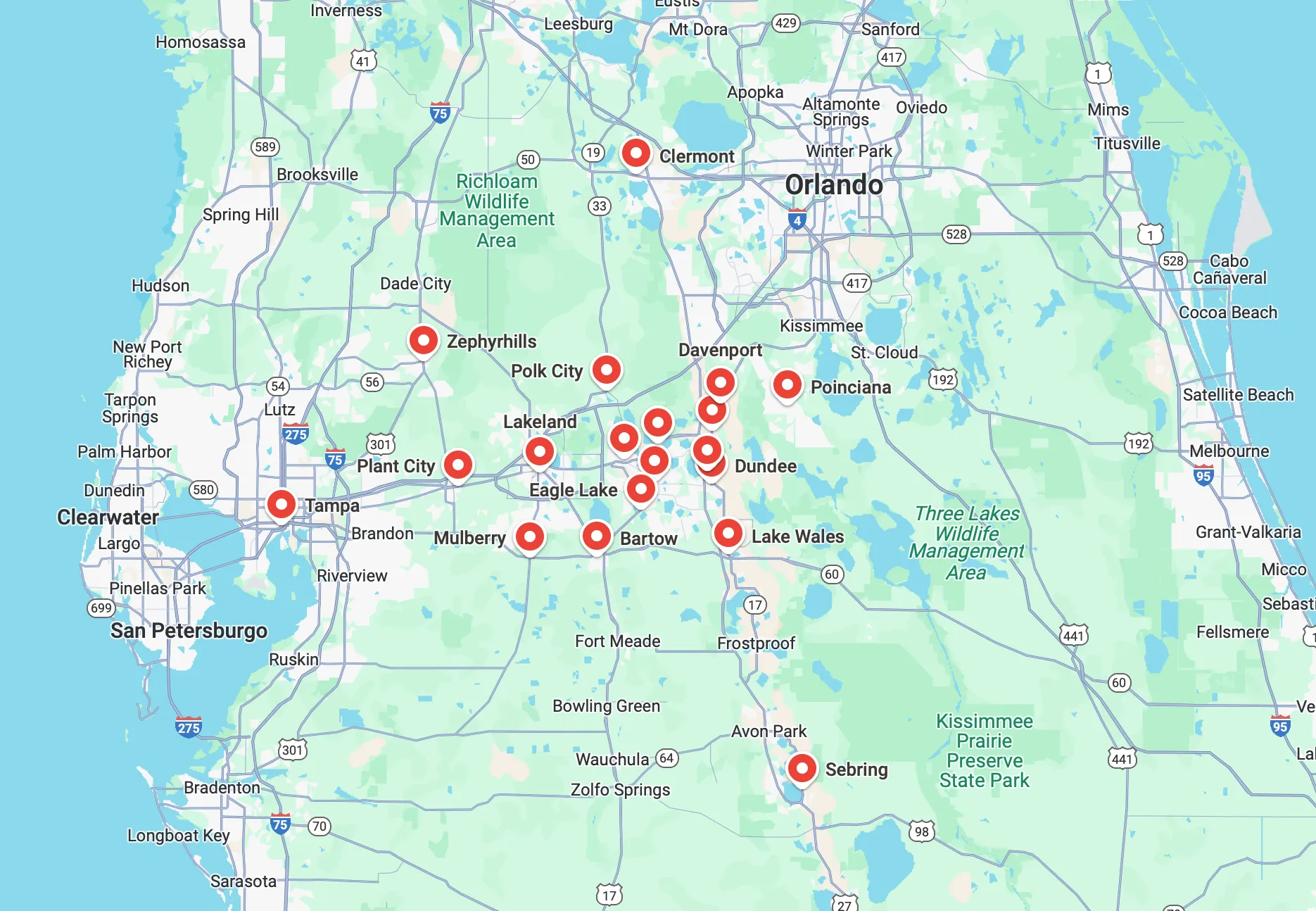
Service Areas