AC Repair in Haines City, FL
AC Repair in Haines City, FL
Keeping your air conditioning running reliably is essential in Haines City, FL, where hot, humid summers and frequent afternoon storms put heavy strain on residential and commercial cooling systems. Whether you manage a family home, a storefront, or a multi-unit property, expert AC repair minimizes downtime, protects equipment, and prevents costly secondary damage like mold growth or electrical failures.
.jpeg)
Common AC problems in Haines City homes and businesses
Florida’s climate produces a predictable set of failures that technicians see most often:
- Compressor failure - caused by overheating, electrical issues, or prolonged low refrigerant; a common cause of complete system shutdown.
- Capacitor and contactor issues - components that start motors and run fans degrade with heat and cycling, leading to intermittent operation or no start.
- Refrigerant leaks - corrosive conditions and vibration can cause leaks; low refrigerant reduces cooling capacity and can damage the compressor.
- Electrical problems - corroded connections, tripped breakers after storms, and control board faults create unreliable operation.
- Restricted airflow - dirty coils, clogged filters, or failing blower motors reduce efficiency and increase indoor humidity.
- Drain line clogs and condensate issues - high humidity yields heavy condensate; blocked drains lead to water damage and safety shutoffs.
- Thermostat and zone control failures - improper readings or wiring problems cause comfort complaints and inefficient cycling.
Diagnostic process: what professionals do and why it matters
A thorough diagnosis pinpoints the root cause so repairs are targeted and cost-effective. Typical diagnostic steps include:
- System history and symptom review - technician documents runtime, noises, smells, and when the problem started.
- Safety and visual inspection - checks for obvious damage, corrosion, rodent intrusion, and water leaks.
- Electrical testing - voltage, amp draw, capacitors, and relays are tested to identify failing components.
- Refrigerant and pressure checks - gauges and leak detectors confirm charge level and locate leaks if present.
- Airflow and duct assessment - measuring static pressure and inspecting filters, coils, and blower operation.
- Thermostat and controls verification - calibration and wiring checks to ensure accurate control.
- Video/photo documentation and repair plan - technicians typically document findings and present repair versus replacement options.
Diagnostics in most residential and small commercial cases are completed on-site within a single visit; complex leak searches or multi-component failures may require follow-up appointments.
Typical repairs and parts replacement
Common repairs involve replacing worn components and restoring system integrity:
- Capacitors, contactors, relays, and fan motors - frequently replaced to restore reliable starting and running.
- Refrigerant leak repair and recharge - includes locating and repairing the leak, evacuating and recharging the system to correct levels.
- Compressor replacement - a major repair that may include additional component replacements for compatibility and reliability.
- Control board and thermostat replacement - resolves erratic or no-response control issues.
- Blower motor or belt replacement, coil cleaning, and drain clearing - restores airflow and moisture control.
- Duct repair or sealing (commercial and larger residential systems) - improves efficiency and comfort consistency.
Technicians in Florida should handle refrigerant work with EPA-certified practices. Parts selected are matched to system specifications and local operating conditions.
Expected timelines
- Diagnostic visit: typically 30–90 minutes for homes and smaller commercial units.
- Minor repairs (capacitor, contactor, filter, belts): often same-day, within 1–3 hours.
- Refrigerant leak repair and recharge: can take 2–6 hours depending on leak location and extent.
- Compressor or major component replacement: may require a half day to a full day; scheduling depends on parts availability.
- Complex commercial systems: multi-stage projects with phased timelines; technicians will provide a clear estimate after diagnostics.
Plan repairs earlier in the season (pre-summer) when parts and technician availability are higher.
Pricing structure (transparent examples without specific dollar amounts)
Rather than fixed prices, professional AC repair typically follows a transparent structure that includes:
- Diagnostic fee: covers technician time, testing equipment, and documentation. This fee is often credited toward repair work completed.
- Parts cost: charged based on manufacturer OEM or equivalent aftermarket parts required for the job.
- Labor time: billed by the hour with an upfront estimate of hours for the quoted repairs.
- Additional services: like refrigerant recovery, specialty leak detection, or permit coordination are itemized separately.
Clients should expect clear written estimates listing diagnostics, parts, labor hours, and any applicable taxes or disposal fees. Emergency or after-hours work is typically billed differently; see the emergency section for how response options affect timing and availability.
Emergency and after-hours repair
Haines City’s summer heat means some failures are urgent. Emergency repair options usually provide:
- On-call response windows for hazardous failures (electrical arcing, major leaks) and for properties serving vulnerable occupants.
- Stabilization measures such as temporarily restoring power, running auxiliary fans, or isolating failed components to prevent further damage until full repair is possible.
- Scheduling priority for commercial operations to reduce downtime and protect perishable inventory.
If a system failure risks property damage or occupant health, emergency response is the standard service path. Response times vary by provider and local demand, particularly during heat waves and storm seasons.
Warranty, service guarantees, and technician qualifications
Reliable service includes clear warranty coverage and skilled technicians:
- Service warranty: repairs should carry a parts and labor warranty specified in writing with scope and duration; separate manufacturer warranties on replaced parts may apply.
- Certifications: technicians should hold EPA 608 certification for refrigerant handling and ideally demonstrate manufacturer training or industry certifications (for example, NATE or equivalent).
- Safety and professionalism: expect technicians who follow local electrical and building codes, use proper PPE, and provide documentation of work performed.
- Transparent paperwork: itemized invoices, parts used, and test results should be included with every repair.
Verify warranty terms and ask for documentation of technician certifications when available.
When is repair more cost-effective than replacement?
Consider repair when:
- The unit is relatively new (typically under 8–10 years) and major components are still under warranty.
- Repair cost is a modest portion of the estimated replacement cost (a common rule of thumb: if repair approaches half the cost of a new system, replacement is often the smarter long-term choice).
- The system has been regularly maintained and energy performance remains reasonable.
- You need a short-term fix to extend life through a peak season with a planned replacement later.
Consider replacement when:
- Multiple major components are failing or the system is near the end of its expected service life.
- Energy bills are high and efficiency gains from a new system would offset investment.
- Frequent repairs are reducing comfort and increasing downtime.
Technicians should present a side-by-side comparison of projected repair costs plus remaining expected life versus replacement benefits and estimated efficiency gains.
Maintenance tips to extend service life
Regular upkeep reduces emergency repairs:
- Replace or clean filters monthly during high-use periods.
- Schedule seasonal tune-ups before summer; include coil cleaning, refrigerant checks, and electrical inspections.
- Keep outdoor condensers clear of debris and vegetation.
- Ensure condensate drains remain clear and insulated where needed.
- Monitor thermostat operation and calibrate as needed.

Customer Testimonials

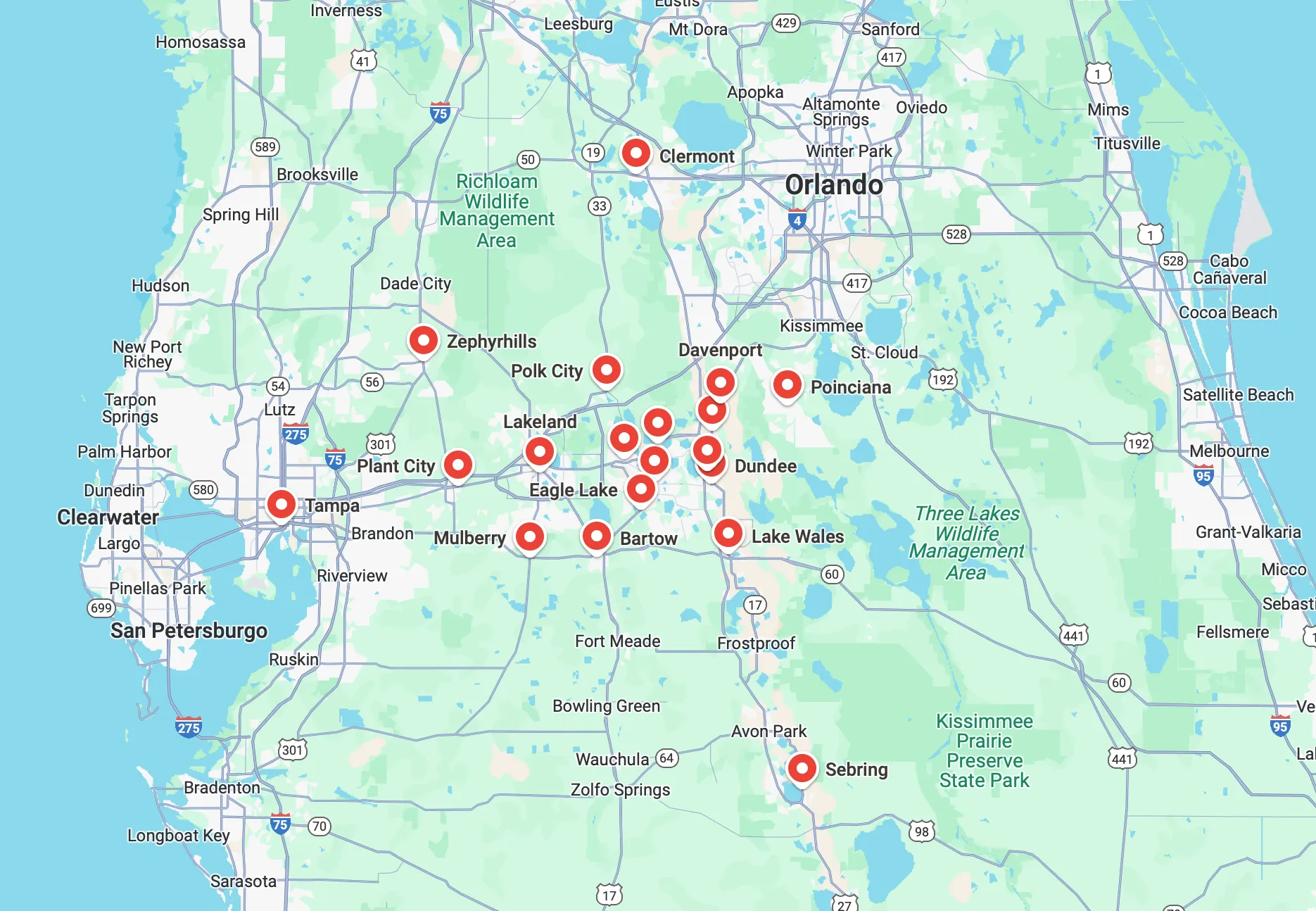
Service Areas