AC Installation in Haines City, FL
AC Installation in Haines City, FL
Installing a new air conditioner is one of the most important investments for comfort, indoor air quality, and energy costs in Haines City homes. With long, hot summers and high humidity, a correctly sized and professionally installed system keeps your home comfortable, prevents mold and moisture problems, and reduces monthly utility bills. This page explains how a complete AC installation is done in Haines City, FL, what to expect at each stage, and why local climate and home construction matter for the best outcome.
.jpeg)
Why a precise installation matters in Haines City
Haines City experiences high summer temperatures and persistent humidity. That increases cooling load and runtime, which makes correct equipment sizing, proper ductwork, and adequate dehumidification critical. Poorly sized systems short cycle or run continuously, leading to higher bills, uneven comfort, and premature component failure. A professional installation minimizes those risks by matching system capacity and features to your home and local climate conditions.
Common AC installation types for local homes
- Split system (standard): Indoor evaporator coil + outdoor condensing unit. Common in single-family homes.
- Heat pump: Efficient cooling and supplemental heat during milder winter periods; useful if you prefer one system for both heating and cooling.
- Packaged unit: All components in one outdoor cabinet, used where indoor space is limited.
- Zoned systems and ductless mini-splits: For additions, rooms with poor duct access, or targeted comfort control.
Choosing the right type depends on home layout, existing ductwork, efficiency goals, and how you use each space.
Site evaluation and sizing: the foundation of a good install
A thorough pre-install evaluation is essential and typically includes:
- Home walkthrough to assess layout, attic and insulation, window exposure, and shading.
- Manual J load calculation to determine precise cooling capacity needed based on Haines City climate factors like solar gain and humidity.
- Inspection of existing ductwork, returns, and registers.
- Electrical panel and breaker capacity check to ensure safe power supply.
- Roof or pad location planning for the outdoor unit, accounting for drainage and airflow.
A proper Manual J calculation avoids undersizing or oversizing and ensures you get the correct capacity for sustained Florida heat.
Equipment selection: efficiency and durability considerations
When selecting equipment for Haines City homes, focus on:
- SEER rating: Higher SEER means greater efficiency and lower operating costs; recommended to choose systems that meet or exceed current regional efficiency standards.
- Matched components: Always pair outdoor units with the correct indoor coil to preserve warranties and efficiency.
- Variable-speed compressors and ECM blowers: Improve comfort, humidity control, and efficiency during long run times typical of Florida summers.
- Refrigerant type: Modern refrigerants and compliant equipment should be chosen for environmental and repair considerations.
- Corrosion-resistant components: While Haines City is inland, humid conditions still accelerate corrosion; consider units with protective coatings for longer life.
- Dehumidification features: Enhanced dehumidification or two-stage compression helps maintain indoor comfort without overcooling.
Selecting the right system balances upfront cost, expected energy use, and the local cooling profile.
Ductwork inspection and necessary modifications
Ductwork performance directly affects comfort and efficiency. Key duct considerations:
- Leakage testing to find and seal holes or disconnected seams.
- Proper sizing to match the new system’s airflow requirements.
- Insulation of duct runs in unconditioned attics to avoid heat gain from the hot Florida attic.
- Return air pathways and filter placement to ensure balanced airflow.
- Repairs or redesign where air distribution is uneven or rooms are chronically warm or cold.
Upgrading ducts and sealing leaks often pays back quickly through lower energy use and improved comfort.
Step-by-step installation process
A typical professional installation follows these steps:
- Finalize equipment selection and obtain required permits per Polk County regulations.
- Schedule site preparation, including unit placement and any demolition or duct modifications.
- Remove old equipment safely and dispose of refrigerant according to regulations.
- Install new indoor and outdoor units, set on a level pad or roof curb as applicable.
- Connect refrigeration lines, electrical, and condensate drainage with code-compliant materials.
- Complete ductwork sealing, adjustments, and insulation.
- Evacuate and charge the refrigerant to manufacturer-specified levels.
- Power up and run initial system checks to verify operation.
- Perform final airflow and temperature split measurements and document results.
- Conduct homeowner orientation and hand off warranty and maintenance information.
This sequence ensures the system is installed safely, reliably, and to manufacturer and local code standards.
Post-installation testing and commissioning
After installation, commissioning confirms the system performs as intended:
- Measure supply and return temperatures to verify correct temperature split.
- Test airflow at registers and ensure balanced distribution.
- Check electrical draw and starting amps against manufacturer specs.
- Inspect condensate drainage and safety switches.
- Verify thermostat calibration and any zoning controls.
- Document system pressures, refrigerant charge, and final efficiency indicators.
Proper commissioning helps prevent callbacks and ensures reliable performance in Haines City heat.
Homeowner orientation and warranty/maintenance handoff
A complete installation includes orientation so you understand system operation and maintenance:
- How to use the thermostat and any programmable or smart features.
- Recommended filter type and replacement frequency for humid conditions.
- Signs of restricted airflow, refrigerant issues, or drainage problems.
- Details of manufacturer warranties, labor warranty coverage, and required maintenance to preserve warranties.
- Suggested maintenance schedule for annual tune-ups and seasonal checks.
Clear documentation at handoff protects your investment and maximizes system longevity.
Long-term benefits and maintenance tips for Haines City homes
Properly installed systems deliver:
- Improved comfort and humidity control during extended hot seasons.
- Lower energy bills through efficient operation and reduced runtime.
- Reduced risk of moisture-related problems like mold in ducts or attics.
- Longer equipment life and fewer repairs.
Maintenance tips:
- Replace or clean filters monthly during high-use months.
- Schedule annual tune-ups before peak cooling season to optimize performance.
- Keep condensate drains clear and outdoor units free of debris.
- Seal attic bypasses and add attic insulation to reduce cooling load.
In Haines City, attentive maintenance and a correctly installed system are key to staying comfortable and keeping operating costs in check.

Customer Testimonials

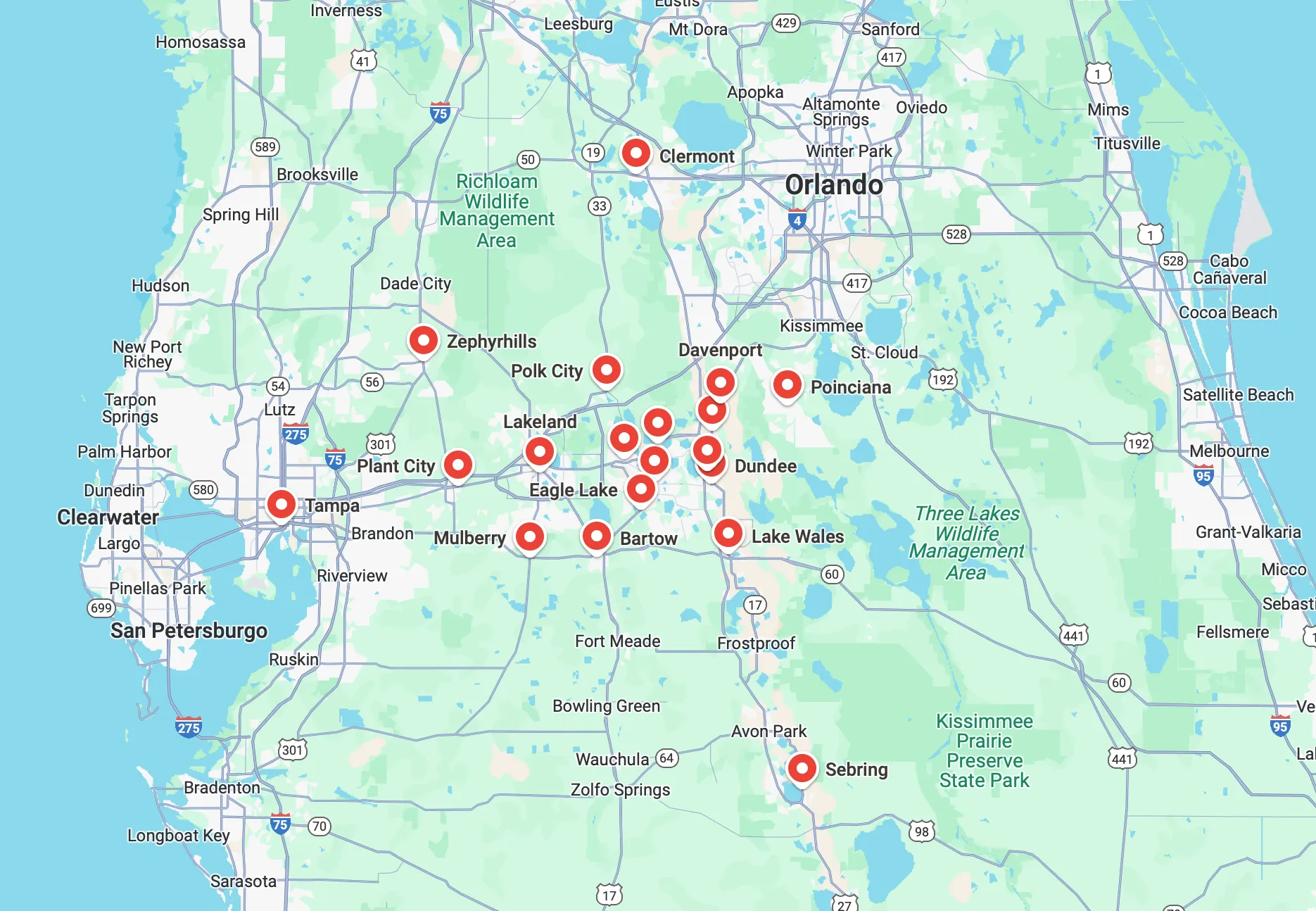
Service Areas