Mini Split Repair in Lakeland, FL
Mini Split Repair in Lakeland, FL
Mini split systems are a common choice for Lakeland homes and small businesses because they deliver efficient, zone-based cooling without ductwork. When a mini split fails-especially during Polk County’s long, humid summers-it quickly becomes urgent.
.jpeg)
Why prompt mini split repair matters in Lakeland, FL
Lakeland’s hot, humid climate and frequent summer storms put extra strain on mini split systems. High humidity increases run-time and compressor stress, while pollen, dust and seasonal mold buildup reduce airflow and efficiency. Power surges from thunderstorms can cause electrical component failures. Delaying repair risks higher energy bills, reduced comfort, and more expensive component damage like compressor burn-out.
Common mini split issues in Lakeland
Homeowners in Lakeland most often report these problems:
- Compressor failures - System won’t cool, outdoor unit humming but not running, or high refrigerant pressure. Heat stress and frequent cycling accelerate wear.
- Refrigerant leaks - Loss of cooling capacity, ice on evaporator coils, and higher energy use. Corrosion, vibration, and line damage are common causes.
- Electrical faults - Tripped breakers, capacitor or contactor failure, or damaged control boards after storms and power fluctuations.
- Airflow problems - Weak airflow or uneven room temperatures caused by clogged filters, dirty evaporator/condenser coils, or fan motor issues.
- Thermostat or control errors - Remote or wall controller failures, sensor misreads, or communication errors between indoor and outdoor units.
Diagnostic procedures: what a professional will do
A trained technician follows a systematic diagnostic process to find the root cause rather than treating symptoms:
- Visual inspection of indoor and outdoor units for physical damage, debris, corroded lines, and wiring condition.
- System communication check to ensure the indoor and outdoor units exchange signals. Error codes are logged and interpreted.
- Electrical testing using multimeters to check voltage, current draw, capacitors, and fuses to identify faulty electrical components or short circuits.
- Airflow assessment including filter condition, blower operation, and ductless unit louvers to verify proper air distribution.
- Refrigerant check using gauges to confirm pressure levels and identify leaks; dye or electronic detectors may be used to pinpoint leak locations.
- Performance measurement assessing superheat/subcooling and temperature differentials to confirm efficient operation.
Documentation of findings and a clear repair plan are typically provided before work begins.
Typical repair steps and expected timelines
Repair timelines depend on the issue, parts availability, and the need for refrigerant handling. Typical timeframes:
- Minor repairs and cleaning (filters, coil cleaning, reset controls): usually completed the same day within 1–3 hours.
- Electrical repairs (capacitor, contactor, control board replacement): commonly completed within 2–6 hours; may require same-day replacement if parts are on-hand.
- Refrigerant leak repair and recharge: diagnosing and repairing a leak can take 2–6 hours; a system may need to be evacuated and recharged and then monitored for proper pressures.
- Compressor replacement or major component swap: these are more involved and can take a full day or require scheduling a follow-up if parts must be ordered from a regional supplier.
- Complex diagnostics (intermittent faults or multiple failures): may require extended testing over 24–72 hours to replicate conditions.
These timelines reflect typical service-level expectations for Lakeland repairs but will vary by complexity and part sourcing.
Parts sourcing and replacement guidance
Quality parts and correct refrigerant handling are essential for reliable repairs:
- Technicians generally use OEM parts when available for longevity and warranty compliance. Where OEM parts are unavailable, quality aftermarket components may be used.
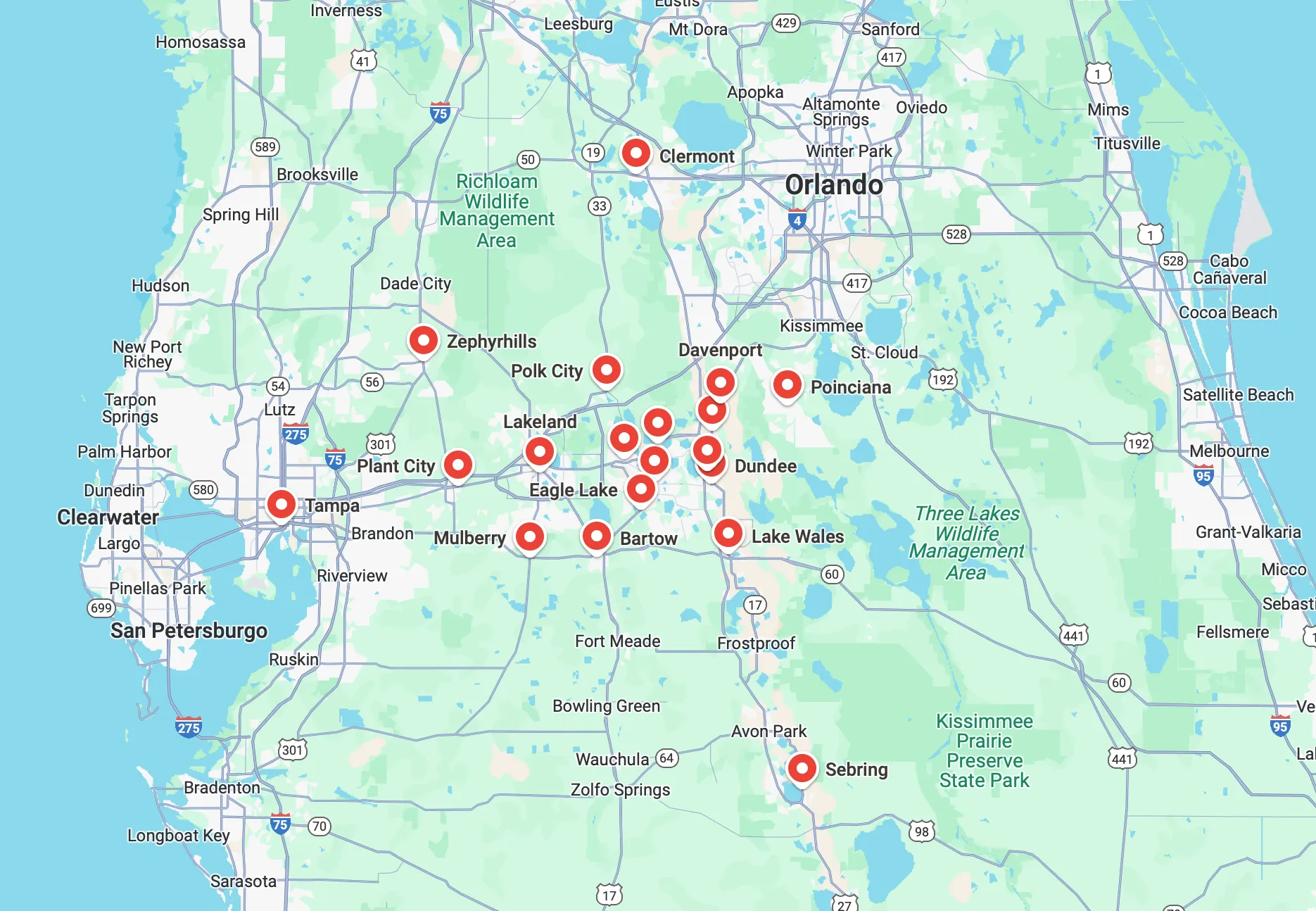
- Lakeland technicians often source parts from local HVAC suppliers and regional warehouses in the Tampa–Orlando area to reduce downtime.
- For refrigerant work, certified technicians follow EPA requirements for recovery, recycling, and use of approved refrigerants. Systems converted between refrigerant types require special procedures and may be subject to manufacturer limitations.
Technician qualifications and standards
When evaluating repair services, look for technicians who demonstrate:
- Proper HVAC licensing and local trade certifications relevant to Florida and Polk County.
- EPA Section 608 certification for refrigerant handling.
- Experience with ductless mini split brands and inverter-driven compressors.
- Use of professional diagnostic tools (digital manifolds, clamp meters, refrigerant leak detectors).
- Clear documentation of diagnosis, parts used, and labor warranties.
Qualified technicians will explain findings in plain language and recommend options (repair vs replacement) based on system age, expected remaining life, and energy efficiency.
Warranties and guarantees
Repair work generally involves two warranty layers:
- Manufacturer warranties: Major components like compressors or control boards may still be covered under the original equipment warranty depending on system age and registration. Warranty coverage often requires OEM parts and authorized service.
- Service warranties on labor: Most reputable service providers offer a limited labor warranty covering workmanship for a defined period (commonly 30–90 days). This warranty typically covers the repaired item if it fails due to the same issue.
Always ask for written warranty details for both parts and labor, including any exclusions for preexisting damage, past repairs, or environmental factors.
Emergency and same-day repair considerations in Lakeland
Emergency and same-day mini split repair is frequently necessary in Lakeland’s climate. Emergency service typically means:
- Priority dispatching based on technician availability.
- On-site diagnosis and triage to restore cooling quickly when possible (temporary fixes like bypassing failed parts or providing short-term refrigerant top-ups may be used).
- Clear communication about whether a permanent repair can be completed same-day or if a scheduled return visit is required for parts or extended work.
Because storms and seasonal demand can increase service volume, prompt parts availability and experienced technicians in the Tampa–Orlando region help maintain faster response times for Lakeland customers.
Routine maintenance and long-term benefits
Regular maintenance reduces the need for repairs: seasonal coil cleaning, filter replacement, refrigerant leak checks, and electrical inspections keep systems running efficiently in Lakeland’s humid environment. Well-maintained mini splits achieve better comfort, lower energy costs, and longer service life.

Customer Testimonials

Service Areas