Mini Split AC in Lakeland, FL
Mini Split AC in Lakeland, FL
Mini split air conditioning systems are an efficient, flexible way to cool and dehumidify homes in Lakeland, FL. For homeowners dealing with long, humid summers, high cooling loads, or rooms where extending ductwork is impractical, a mini split (ductless or low-profile ducted) provides targeted comfort, lower operating costs, and faster installation with minimal disruption.
.jpeg)
Why Lakeland homes benefit from mini split systems
- Hot, humid climate: Lakeland’s extended cooling season and persistent humidity make precise humidity control as important as temperature control. Mini splits with advanced dehumidification modes keep indoor comfort stable without overcooling.
- Older homes and room additions: Many Central Florida homes were built without flexible duct runs. Mini splits deliver conditioned air to individual rooms, garage conversions, attic living spaces, and sunrooms without tearing open walls.
- Energy sensitivity and rising electric loads: Variable-speed inverter compressors and zoned control let you cool only occupied spaces, reducing energy use during shoulder seasons and overnight.
Types and configurations
- Single-zone ductless systems: One outdoor unit connected to a single indoor head. Ideal for a single large room, a master bedroom, or a bonus space.
- Multi-zone (multi-split) systems: One outdoor condensing unit serves two to eight indoor heads of mixed types-wall-mounted, ceiling cassette, ceiling-recessed, or floor-mounted—allowing individualized control room by room.
- Concealed-duct mini splits: Low-profile units hidden in soffits or attics that deliver conditioned air through short ducts-good where a more traditional look is wanted but large ductwork is not feasible.
- Heat pump models: Most mini splits are heat pumps, providing both cooling and efficient heating for mild Lakeland winters, improving year-round value.
Key features to evaluate
- Inverter compressor technology: Variable-speed compressors ramp up or down to match load, reducing short cycling, improving comfort, and lowering energy use compared with single-speed compressors.
- High efficiency and SEER ratings: Modern mini splits offer high seasonal efficiency; look for systems labeled for energy efficiency to lower lifetime operating costs.
- Quiet indoor operation: Indoor head noise levels are low compared with window units-important for bedrooms and home offices.
- Advanced humidity control: Dedicated dehumidify modes and sophisticated airflow patterns maintain comfort without excessive cooling.
- Filtration and indoor air quality: Models with multi-stage filters, washable pre-filters, and optional advanced filters help reduce dust, pollen, and particulates—helpful in humid climates where mold risk is higher.
- Multiple indoor head styles: Wall-mounted heads are most common; ceiling cassettes suit open floorplans; floor consoles are useful for retrofit in certain spaces.
Sizing and selection guidance
- Professional load assessment: A Manual J-style load calculation is the best way to select correctly sized equipment given Lakeland’s solar exposure, ceiling heights, insulation, window orientation, and occupancy. Oversizing leads to short cycling and poor humidity control; undersizing leads to long runtimes and discomfort.
- Typical capacity ranges: Single-room indoor units often range from roughly 9,000 to 18,000 BTU; multi-zone setups combine multiple heads on a larger outdoor unit. Final sizing depends on the room’s heat gain and desired comfort level.
- Match indoor head types to room use:
- Bedrooms: low-profile wall-mounted for quiet operation.
- Living rooms/open plans: ceiling cassette for even distribution.
- Finished attics/retrofits: concealed-duct or floor-mounted where wall space is limited.
- Site considerations: Outdoor unit placement should allow airflow, be elevated for flood/hurricane resilience, and meet local building codes in Polk County/Lakeland for high-wind events.
Installation process overview
- Home assessment and load calculation to determine zones and capacities.
- Selection of indoor head styles, outdoor unit location, and line-set routing.
- Mounting indoor units and cutting small penetrations (typically one hole per head for line set and condensate).
- Running refrigerant lines, condensate drain, and electrical connections.
- Commissioning: evacuating and charging refrigerant, system calibration, and user controls setup.
- Post-install checks for airflow, refrigerant charge, and drain performance.
Installation time varies by scope: a single-zone replacement or addition can often be completed in a day; multi-zone retrofits typically require more planning and may take several days.
Benefits compared with central AC
- No duct losses: Ductwork can lose conditioned air through leaks and poorly insulated runs. Mini splits deliver conditioned air directly to the space, increasing effective efficiency.
- Zoned comfort: Independent thermostats per head allow customized schedules and temperatures by room, reducing wasted cooling.
- Simpler retrofit: Installing a mini split usually requires only a small line-run, making it far less invasive for existing homes than extending central ducts.
- Faster payback in targeted applications: For cooling a few key rooms, lower installation costs and reduced operating hours often yield quicker operating-cost savings than a whole-home central system.
- Improved indoor air control: Enhanced filtration and dehumidification modes address Florida humidity and indoor air quality concerns more precisely than undersized central systems.
Common mini split issues in Lakeland, FL and solutions
- Poor humidity control or sticky feeling: Often caused by oversizing or improper airflow. Correct sizing and using dedicated dehumidify modes solve this.
- Short cycling: Usually an oversize or control mismatch. Variable-speed inverter units reduce the risk; correct sizing is essential.
- Condensate problems and mold: High humidity environments require properly installed drain lines and occasional cleaning of drain pans to prevent buildup.
- Outdoor unit exposure: Heavy rains, debris, and hurricane season require elevated, secure mounting and periodic corrosion checks on exterior units.
Maintenance and longevity
- Routine homeowner tasks: Wash or vacuum washable filters every 1–3 months, keep indoor heads dust-free, and ensure outdoor unit clearance from vegetation and debris.
- Annual professional checks: Inspect refrigerant charge, electrical connections, drain lines, coils, and controller functionality. In Lakeland’s humid climate, an annual service keeps dehumidification and efficiency at peak.
- Expected lifespan: With proper maintenance, mini split systems often last 12–20 years depending on model, usage, and environmental exposure.
Financing and incentives (general guidance)
- Many manufacturers and dealers offer financing plans to spread equipment and installation costs over time. Homeowners should compare loan terms and any available deferred-payment options.
- Federal, state, and local utility programs may offer rebates or tax incentives for high-efficiency heat pumps or ENERGY STAR certified systems. Lakeland homeowners should check incentives available through Lakeland Electric, Polk County energy programs, and current federal tax provisions for home energy upgrades.
- Some incentives require installation by a licensed contractor or specific equipment efficiency ratings—verify eligibility before purchase.
Typical project scenarios
- Single-room upgrade: Converting a hot master bedroom to a highly efficient single-zone mini split for quiet, steady cooling and improved humidity control.
- Whole-home multi-zone solution: Installing a multi-zone outdoor unit with ceiling cassettes in the Living/Dining area and wall units in bedrooms to eliminate ductwork upgrades while providing individual zone control.
- Retrofit for an addition: Conditioning a new sunroom or garage conversion where extending central ducts would be disruptive or cost-prohibitive.
Mini split AC systems in Lakeland, FL are an effective, flexible option for homeowners seeking better humidity control, zoned comfort, and efficient cooling without major ductwork. Proper assessment, correct sizing, and regular maintenance are key to long-term performance in the area’s warm, humid climate.

Customer Testimonials

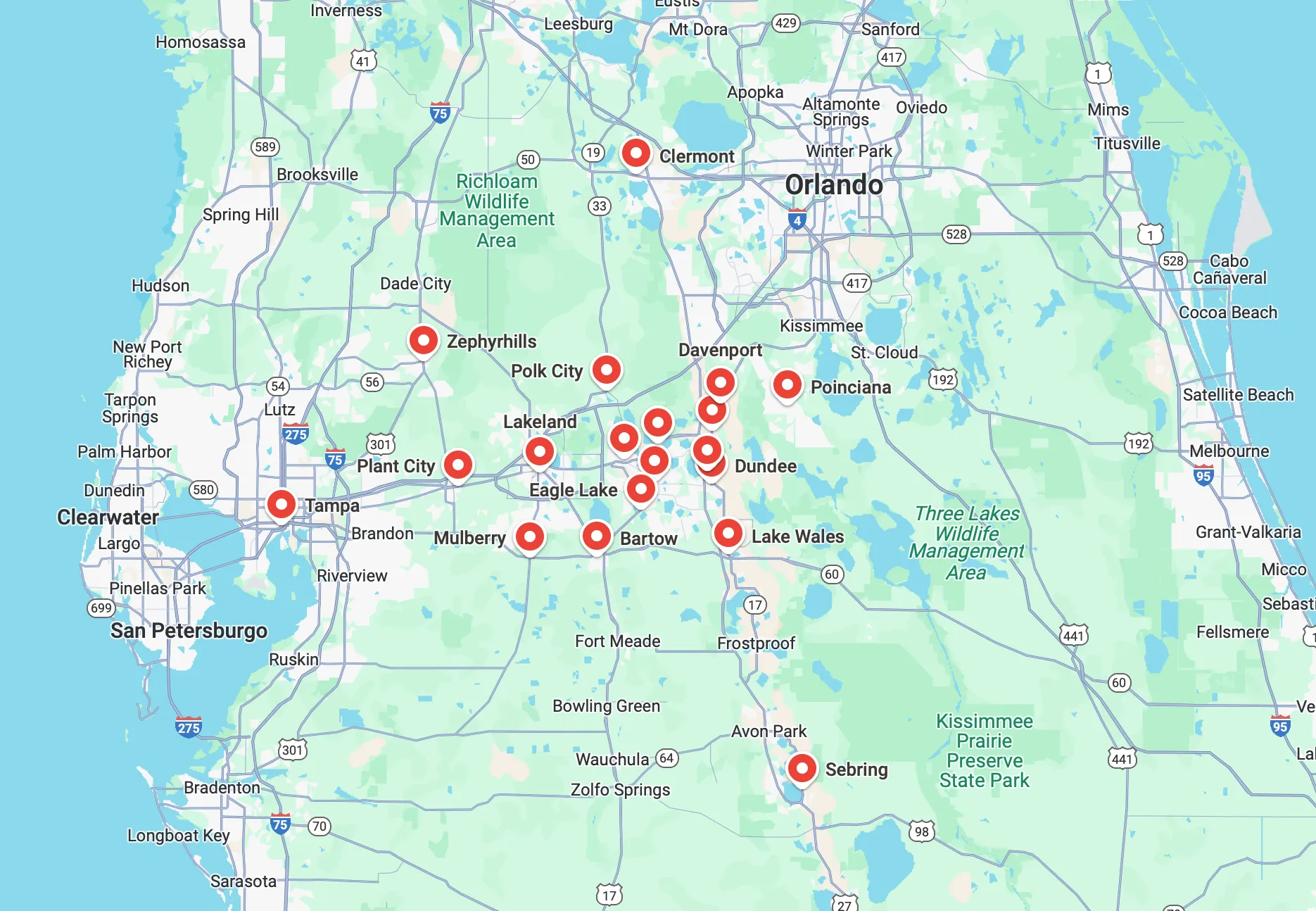
Service Areas