Whole House Dehumidification in Dundee, FL
IAQ Whole-House Dehumidification in Dundee, FL
Maintaining comfortable indoor humidity is essential in Dundee, FL. High humidity is a year-round concern in central Florida, with warm temperatures and frequent rain creating the perfect environment for mold, musty odors, and accelerated wear on building materials. An IAQ whole-house dehumidification system controls indoor moisture consistently across living spaces, reducing mold risk, improving comfort, and protecting your home and possessions.
Why whole-house dehumidification matters in Dundee, FL
Homes in Dundee experience prolonged humidity, especially during summer and the rainy season. That humidity can cause:
- Visible mold and mildew growth in closets, bathrooms, basements, and crawlspaces
- Condensation on windows and interior surfaces
- Peeling paint, warped wood floors, and faster decay of furniture
- Increased dust mite populations and worsening allergy symptoms
- Longer air conditioner runtimes and higher energy use
A properly designed IAQ whole-house dehumidifier keeps relative humidity in the ideal range for comfort and health, typically between 45 percent and 55 percent, reducing these problems while working with your HVAC system.
Common dehumidification issues in Dundee, FL
Homeowners often notice signs before they understand the cause. Typical issues we see in local homes:
- Musty odors in enclosed spaces after heavy rains
- Condensation on windows and metal fixtures on humid mornings
- Visible mold in attics, closets, and behind laundry or bathroom walls
- Excessive HVAC cycling without delivering comfort
- High humidity in crawlspaces or with slab foundations allowing moisture migration
Understanding these symptoms helps determine whether a whole-house dehumidifier is the right solution versus ventilation improvements or targeted moisture control.
IAQ equipment options and how they differ
Selecting the right IAQ whole-house dehumidification equipment depends on home size, construction, and usage patterns. Common options include:
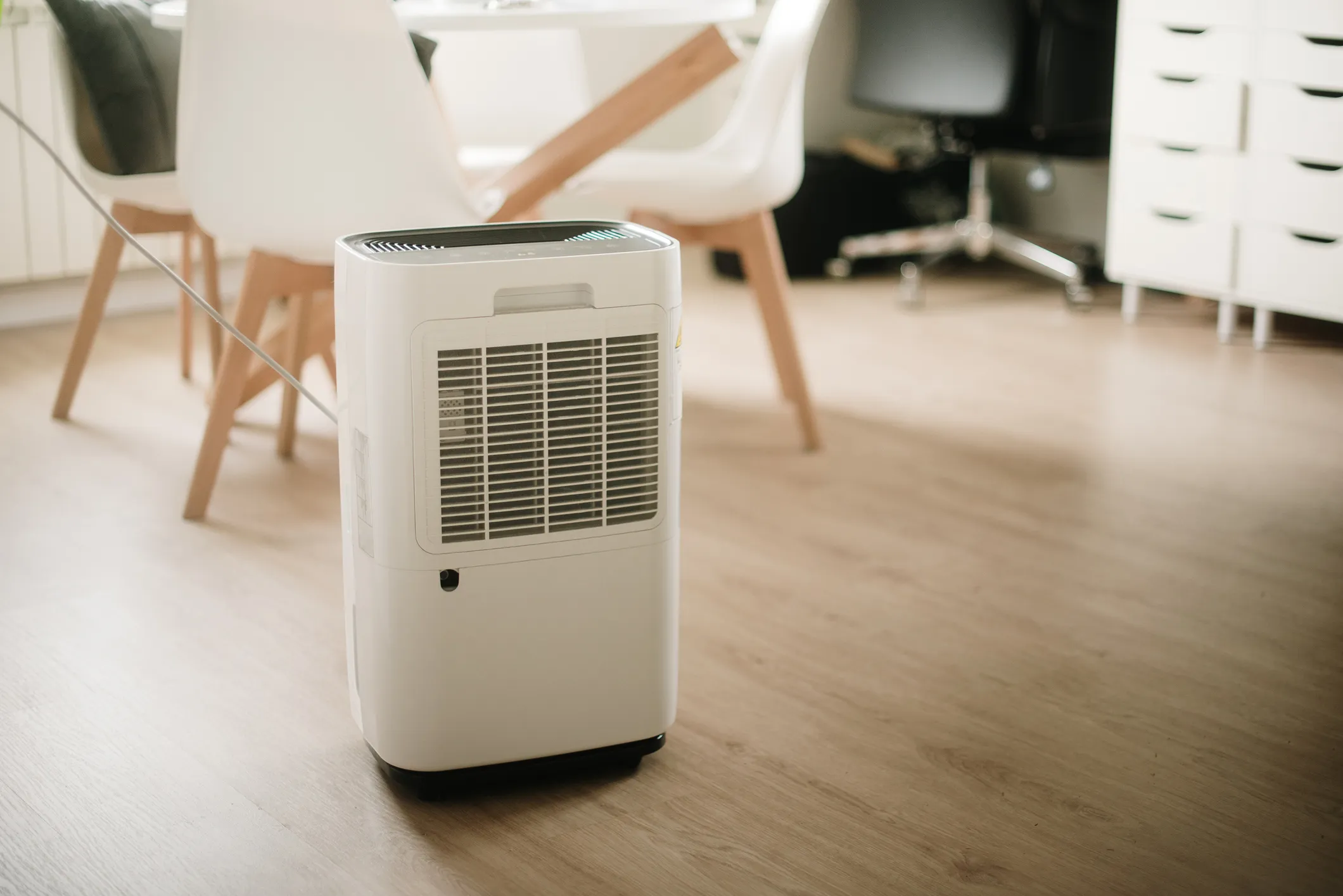
- Ducted refrigerant dehumidifiers: Mounted near the air handler and integrated into your duct system for whole-home coverage. Best for most residential applications in humid climates.
- Bypass-style dehumidifiers: Use existing HVAC fan to circulate air through a compact unit. Efficient in homes with compatible systems.
- Dedicated inline or cabinet units: Larger-capacity units installed in mechanical rooms for high-moisture homes or multi-zone needs.
- Desiccant dehumidifiers: Less common for residential use but effective in low-temperature or specialized environments.
Key sizing considerations include square footage, envelope tightness, number of occupants, presence of pools or spas, and local weather patterns. In Dundee, expect higher moisture loads when accounting for lake proximity and irrigation.
How IAQ whole-house dehumidification integrates with your HVAC
Integration is important for performance and efficiency:
- Whole-house units are typically installed at or near the air handler and connected to the return or supply ductwork to condition the entire home.
- Controls can be standalone digital humidistats or integrated with smart thermostats to coordinate dehumidification with cooling cycles.
- Proper condensate management is required: gravity drains, condensate pumps, or routed plumbing tie-ins are common depending on location.
- Electrical upgrades may be needed for larger units; planning ensures correct breaker size and wiring.
- Commissioning verifies airflow, humidity setpoints, and that the dehumidifier and HVAC operate without short cycling.
When integrated correctly, dehumidification can reduce AC runtime by managing latent loads. That makes the system feel more efficient while improving comfort.
Typical installation process
A professional IAQ whole-house dehumidification installation usually follows these steps:
- Home assessment and humidity load calculation, including inspection of ducts, attic, crawlspace, and HVAC capacity
- Equipment selection and sizing for Dundee humidity conditions
- Site preparation including space for the unit, electrical access, and condensate routing
- Mechanical installation: mounting, duct connections, and control wire runs
- Electrical hookup and condensate plumbing, including pumps if needed
- System commissioning: setpoints programmed, airflow and humidity verified, homeowner walkthrough on operation
Installations are tailored to the home layout to minimize noise, ensure reliable condensate removal, and provide balanced dehumidification across living areas.
Maintenance and service plans for reliable performance
Regular maintenance keeps whole-house dehumidifiers operating efficiently and extends service life. Typical service items include:
- Inspect and clean or replace air filters every 3 to 6 months
- Clean coils and heat exchange surfaces annually to maintain capacity
- Check and clear condensate drains and pumps to prevent backups
- Verify controls and humidistat calibration during seasonal checks
- Inspect duct connections and insulation for air leaks that reduce effectiveness
- Annual performance check before the humid season to confirm capacity and airflow
A routine maintenance plan prevents costly repairs, keeps energy use predictable, and preserves manufacturer warranties for many units.
Benefits specific to Dundee, FL homes
Installing IAQ whole-house dehumidification in Dundee provides local benefits:
- Reduces mold growth common after summer storms and in high-humidity months
- Improves indoor comfort without overcooling, helping with sleep and daily comfort
- Protects wood floors, cabinets, and musical instruments from moisture damage
- Reduces allergens and dust mite prevalence, improving indoor air quality for sensitive family members
- Lowers stress on the AC system by handling latent load, which can stabilize indoor temperatures with fewer short cycles

Customer Testimonials

Service Areas