Home Air Filtration in Dundee, FL
IAQ Home Air Filtration in Dundee, FL
Indoor air quality matters in Dundee, FL. Hot, humid weather, seasonal pollen, and frequent outdoor dust from local agriculture and roadways make homes vulnerable to allergens, dust buildup, and mold spores. IAQ Home Air Filtration in Dundee, FL explains how whole-house filtration and high-efficiency filters reduce indoor contaminants, how systems are sized and installed for Polk County homes, and what maintenance schedules and results you can expect.
.webp)
Why IAQ Home Air Filtration matters in Dundee, FL
Homes in Dundee face several local air quality challenges:
- High humidity encourages mold and mildew growth inside ducts and on surfaces.
- Spring and summer pollen from oak, grass, and ornamental plants increases allergen loads.
- Nearby agricultural activity and seasonal storms introduce dust and particulate matter.
- Hurricane and storm season can force windows closed for extended periods, trapping indoor pollutants.
A properly designed IAQ home air filtration system reduces these risks by removing particles at the source, protecting family health, preserving HVAC equipment, and improving comfort.
Types of filtration systems offered
We focus on residential options that target common pollutants in Dundee homes:
- Whole-house filtration (in-duct)
- Integrates with existing HVAC to filter all conditioned air.
- Uses high-efficiency filters or multi-stage filtration cartridges.
- Reduces dust, pollen, pet dander, and many airborne particulates throughout the home.
- High-efficiency filters
- MERV-rated filters for in-duct systems. Typical ranges used: MERV 8 to MERV 13 for a balance of filtration and airflow.
- True HEPA filtration for standalone units or for systems engineered to accommodate the higher resistance. HEPA captures 99.97 percent of particles 0.3 micron in size.
- Activated carbon stages
- Optional layer to reduce odors and common VOCs from cleaning products, paints, and outdoor vehicle exhaust.
- Electronic air cleaners and washable pre-filters
- Useful for capturing larger particles and extending the life of finer filters.
Each option targets different contaminants and has tradeoffs around airflow and maintenance. Selecting the right combination depends on your home size, HVAC capacity, and specific indoor air concerns.
Common IAQ Home Air Filtration issues in Dundee, FL and solutions
- Excess dust and visible buildup
- Cause: Inadequate filtration or undersized filters. Solution: Install whole-house filtration with higher MERV rating and add washable pre-filters.
- Seasonal allergy flare-ups
- Cause: Outdoor pollen infiltrating living spaces. Solution: High-efficiency MERV 11 to MERV 13 filters or HEPA-equipped standalone units for bedrooms.
- Persistent odors and VOCs
- Cause: Chemicals from household products and outdoor sources. Solution: Add activated carbon stage to filtration system.
- Mold spores and damp-air problems
- Cause: High humidity and stagnant air. Solution: Improve filtration, pair with ventilation or dehumidification, and ensure ducts are clean and dry.
Diagnostic and system sizing process
Proper performance starts with a tailored design:
1. Home assessment
- Evaluate square footage, number of bedrooms, attic and duct layout, HVAC model and CFM ratings, presence of pets, and occupants with allergies or asthma.
2. Airflow calculations
- Determine required airflow and target air changes per hour (ACH). Typical whole-house targets range from 4 to 6 ACH for allergy-sensitive homes.
3. Filter selection
- Choose filters with appropriate MERV ratings or HEPA compatibility based on HVAC capacity and desired particle removal.
4. Integration planning
- Confirm compatibility with existing furnace or air handler. For systems that cannot handle high-resistance filters, recommend alternatives such as dedicated in-line filtration housings or stand-alone units.
This diagnostic step prevents common pitfalls like reduced HVAC efficiency or inadequate filtration due to undersizing.
Installation steps and what to expect
- Preparation
- Inspect ducts and HVAC access points. Recommend cleaning if heavy dust or biological growth is present.
- Mounting and integration
- Install a whole-house filter housing at the return plenum or integrate higher-efficiency filters into the existing slot as specified by HVAC calculations.
- Sealing and balancing
- Seal duct joints and ensure filter housings are airtight to prevent bypass. Balance airflow if needed to maintain heating and cooling performance.
- Testing
- Verify system airflow, static pressure, and expected filtration performance. For allergy-sensitive homes, particle count testing can measure improvement.
Installations are executed to preserve HVAC warranty-friendly practices and to maintain system efficiency while delivering measurable IAq improvements.
Maintenance and filter replacement schedules
Proper maintenance keeps the system effective and avoids strain on HVAC equipment:
- Standard fiberglass or pleated filters (MERV 6 to 8)
- Replace every 1 to 3 months depending on dust load, occupancy, and pets.
- Higher-efficiency MERV 11 to 13
- Replace every 3 months, possibly sooner in high pollen season or if there are pets.
- True HEPA (standalone or integrated)
- Replace HEPA cartridges every 6 to 12 months depending on usage and manufacturer guidance.
- Activated carbon stages
- Replace per manufacturer schedule, typically every 6 to 12 months for active odor control.
- Annual professional check
- Inspect filtration housing, measure static pressure, and check duct cleanliness. Address any mold or moisture issues promptly.
Tip: Homes with pets, smokers, or severe allergies often need more frequent changes. Monitoring visible dust and HVAC performance is a simple way to judge filter health.
Expected benefits and results timeline
- Immediate to 7 days
- Noticeable reduction in settled dust and fewer visible particles on surfaces.
- 2 to 6 weeks
- Fewer allergy symptoms for sensitive occupants, improved sleep quality, and reduction in odors if activated carbon is used.
- 3 months and ongoing
- Consistent lower particulate levels, less HVAC strain, and reduced frequency of cleaning and dusting.
Long-term benefits include reduced allergen exposure, lower mold spore circulation when combined with humidity control, and extended life for HVAC components because filters capture particles that would otherwise accumulate on coils and blowers.

Customer Testimonials

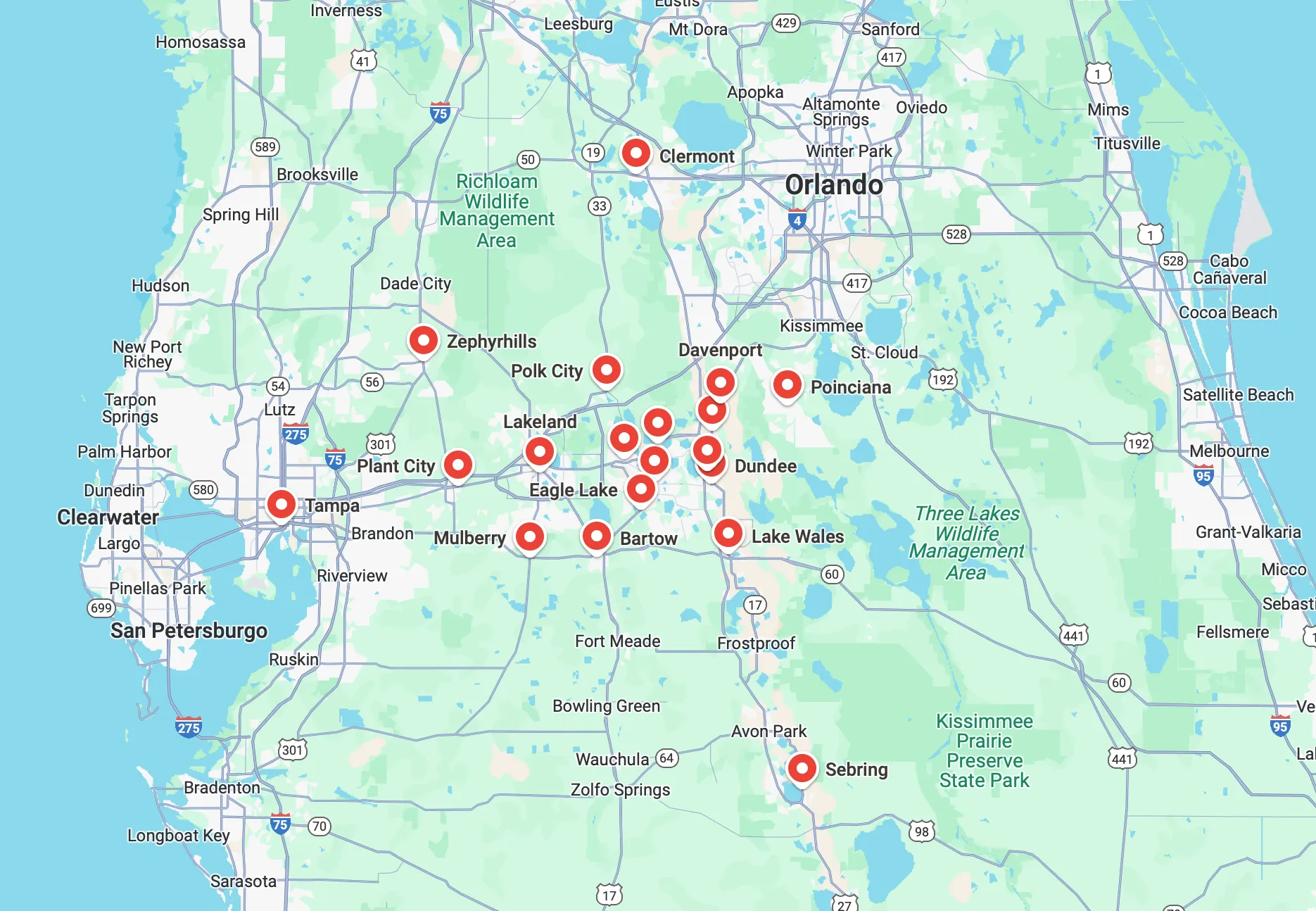
Service Areas