Whole House Air Filtration in Lakeland, FL
IAQ Whole-House Air Filtration in Lakeland, FL
Clean indoor air is critical for comfort, health, and home efficiency in Lakeland, FL. IAQ whole-house air filtration installs directly into your existing HVAC system to remove dust, pollen, mold spores, pet dander, and many airborne particles before they circulate through living spaces.
.jpeg)
Why whole-house filtration matters in Lakeland, FL
Lakeland’s warm, humid climate and seasonal pollen combine to create persistent indoor air quality (IAQ) challenges. High humidity encourages mold and mildew growth inside ducts and on surfaces, while oak, pine, and grass pollens during spring and fall can trigger allergies. Whole-house filtration helps by capturing contaminants at the HVAC return, protecting occupants and reducing dust buildup on surfaces and in equipment. For homes with sensitive occupants, chronic allergy sufferers, or recent remodeling, whole-house systems deliver more reliable particle removal than portable units.
Common IAQ issues in Lakeland homes
- Seasonal pollen and outdoor allergens entering through ventilation and doorways
- Increased mold and mildew risk due to humidity and occasional storm-related water intrusion
- Fine dust and debris transported from yard work and construction in growing neighborhoods
- Odors from cooking, pets, or humidity-related microbial growth
- Reduced HVAC efficiency and higher energy use when filters are inadequate or clogged
Whole-house filter options and MERV ratings
Choosing the right filter balances particle capture, airflow, and HVAC compatibility. Typical options include:
- Standard pleated filters (MERV 8 to MERV 11): Good for basic dust, pollen, and dander control. Minimal impact on airflow for most residential systems.
- High-efficiency pleated filters (MERV 11 to MERV 13): Capture finer particles such as some mold spores and smoke. Often recommended for allergy-prone households, but HVAC systems should be checked for airflow tolerance.
- True HEPA integration: True HEPA filters remove 99.97% of particles 0.3 microns and larger. Whole-house HEPA typically requires dedicated housings or bypass systems and may need stronger fans or modifications to avoid stressing the blower.
- Carbon and media filters: Used in combination to reduce odors, VOCs, and gases common after painting or remodeling.
What to consider:
- Higher MERV does not always mean better for every home. MERV 13+ offers superior filtration but can restrict airflow in older or undersized systems without proper upgrades.
- HEPA-level filtration is ideal for severe allergies but often requires additional ductwork or fan upgrades for whole-house performance.
Compatibility with existing HVAC systems
Assessing compatibility is a first step before recommending filter upgrades:
- Evaluate current furnace/air handler fan capacity and available filter cabinet space.
- Measure static pressure and airflow to determine if a higher-MERV or HEPA retrofit is feasible without reducing system efficiency.
- Check return locations and duct layout to ensure effective whole-house capture rather than local short-circuiting.
- Identify opportunities for paired improvements like UV germicidal lights or dehumidification to address Lakeland humidity-related IAQ concerns.
Installation steps - what to expect
- Onsite assessment: Inspect HVAC equipment, duct layout, filter access, static pressure, and local IAQ concerns specific to your home.
- Recommendation and selection: Choose filter type and any required HVAC modifications based on assessments and occupant needs.
- Pre-install checks: Power off equipment, verify airflow pathways, and measure baseline IAQ if testing is requested.
- Installation: Install filter housing, media filters, and any necessary bypasses, seals, or fan upgrades. For HEPA systems, install dedicated housings or modules per design.
- Commissioning: Restart equipment, measure airflow and static pressure, and confirm proper integration and operation. Provide documentation on filter type, MERV rating, and recommended maintenance schedule.
- Post-install verification: Optional IAQ testing can quantify particulate reduction and humidity control improvements.
Expected IAQ improvements and performance
After proper installation you can expect:
- Significant reduction in airborne particles like pollen, dust, and pet dander within weeks
- Lower visible dust accumulation and cleaner HVAC components, leading to longer equipment life
- Noticeable symptom relief for allergy sufferers in many homes using MERV 11 to MERV 13 filters or HEPA solutions
- Odor reduction when carbon media is included
Note that filtration does not address all IAQ factors alone. Combining filtration with humidity control and duct cleaning provides the best results in Lakeland’s climate.
Service plans, maintenance, and warranties
Ongoing maintenance preserves filtration performance and HVAC health:
- Recommended maintenance frequency: Replace or service filters every 3 months for pleated filters, sooner during high pollen seasons or heavy usage; high-efficiency or HEPA systems may require scheduled media changes or professional servicing every 6 to 12 months depending on load.
- Typical service plans include scheduled filter changes, annual system inspections, static pressure checks, and seasonal performance tune-ups.
- Warranties: Most filter housings and aftermarket modules come with manufacturer warranties covering defects; installed components and workmanship may be covered under separate service guarantees. Always review warranty terms for components like fan upgrades or HEPA housings since improper installation can affect coverage.
Lakeland-specific considerations and tips
- Peak pollen seasons: Plan heavier maintenance around spring and fall pollen peaks and after storm seasons that stir up particulate matter.
- Humidity control: Integrate dehumidification or ensure existing systems are sized to keep indoor relative humidity under control to reduce mold growth.
- Hurricane season and storm prep: After flooding or water intrusion events, prioritize drying and mold inspections before relying on filtration alone. Replace contaminated filters and consider temporary higher-efficiency options if reconstruction generates fine dust.
- New construction and remodeling: Whole-house filtration is especially beneficial after remodeling to manage dust and VOCs; consider adding carbon media for odor and gas control.
Long-term benefits and what good looks like
A properly designed and maintained IAQ whole-house filtration system in Lakeland provides:
- Consistent reduction in airborne allergens and dust, improving comfort and sleep quality
- Fewer HVAC repairs and cleaner ductwork over time
- Better indoor air protection for vulnerable residents such as children, seniors, and people with respiratory conditions
- A cleaner indoor environment that supports home resale value and lower cleaning frequency

Customer Testimonials

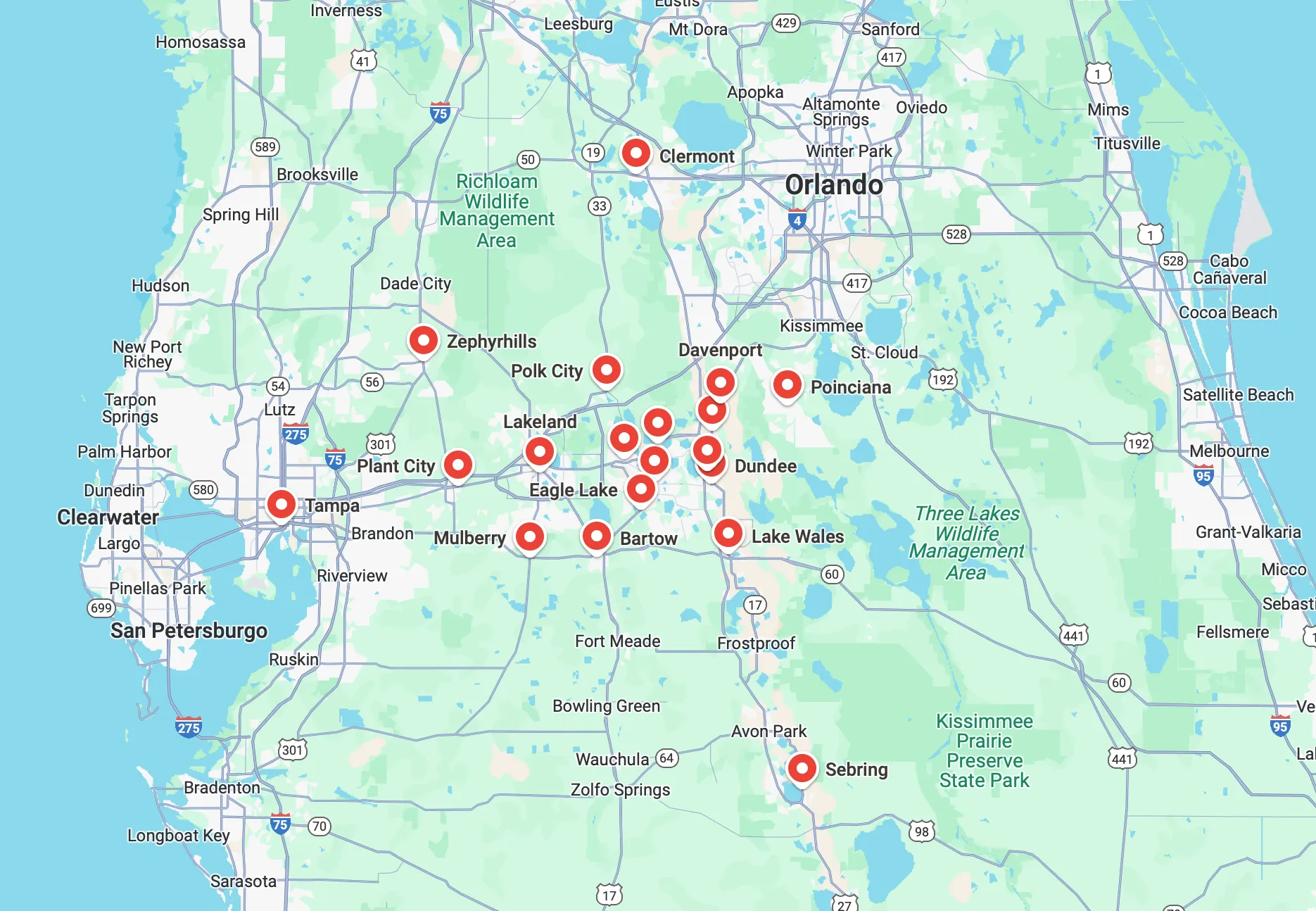
Service Areas