Whole Home Humidifiers in Clermont, FL
IAQ Whole-Home Humidifiers in Clermont, FL
Proper indoor humidity is one of the most overlooked elements of home comfort and indoor air quality. IAq whole-home humidifiers provide consistent humidity control across your living space by integrating with your HVAC system. In Clermont, FL, where outdoor humidity swings seasonally and air conditioning runs heavily in summer, a whole-home solution helps stabilize indoor moisture levels for comfort, health, and home preservation.
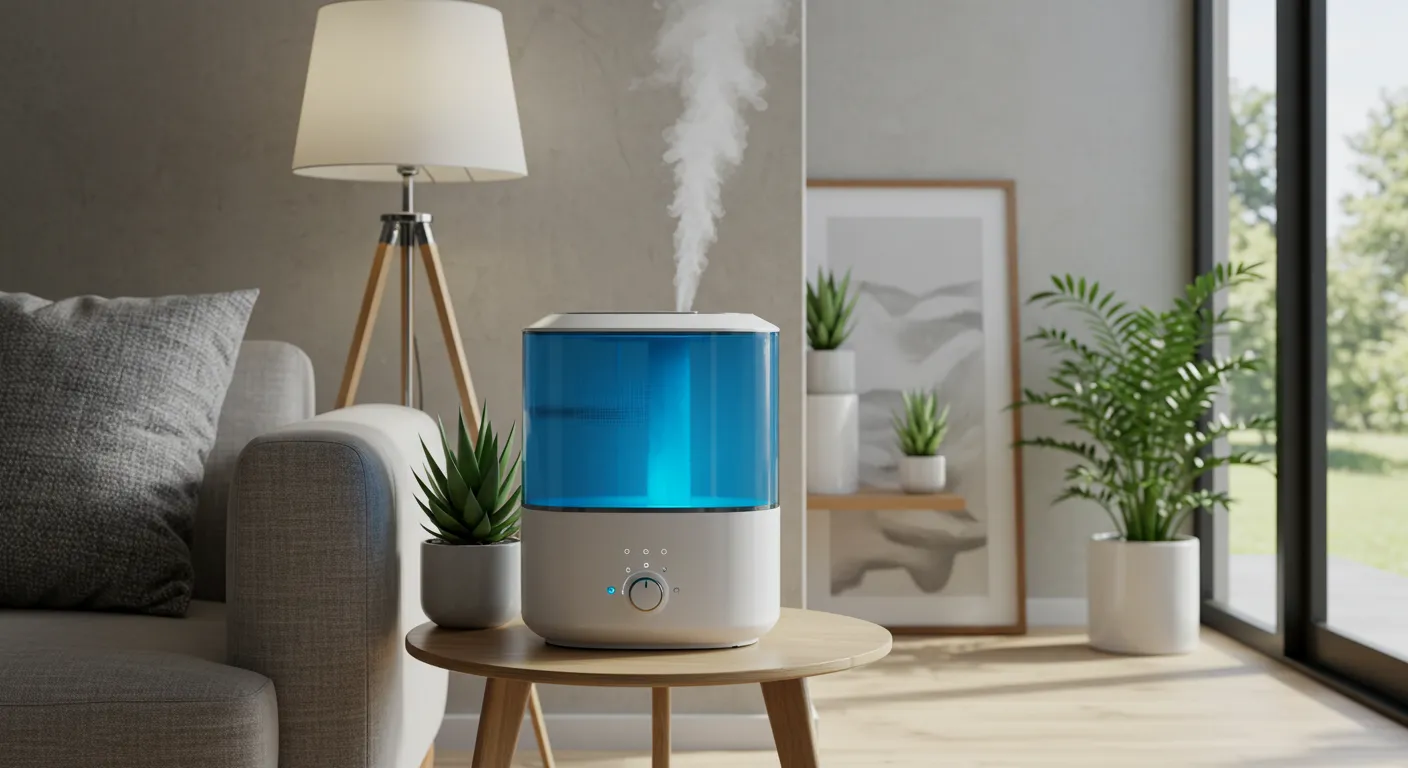
Why whole-home humidification matters in Clermont, FL
Clermont’s subtropical climate creates two common problems in homes:
- During hot, wet summers the air conditioner runs long cycles and strips indoor air of moisture, leaving spaces feeling dry and aggravating skin and respiratory irritation.
- In cooler months or when indoor heating is used, relative humidity can drop below comfortable levels, causing dry throat, cracked wood floors or trim, and increased static electricity.
Whole-home humidifiers maintain balanced relative humidity throughout your home, avoiding the extremes that damage wood, worsen allergies, or reduce overall comfort. Proper humidity also supports sleep quality, reduces nose and throat irritation, and helps preserve wooden furniture, flooring, and musical instruments common in Central Florida homes.
Common whole-home humidifier types and how they differ
Understanding the main humidifier types helps you choose an option that fits your Clermont home and HVAC layout:
- Evaporative (bypass) humidifiers
- Use a water panel or pad where warm air passes through and picks up moisture.
- Low energy use, simple design, compatible with gas furnaces and air handlers.
- Require periodic pad replacement and cleaning.
- Fan-powered evaporative units
- Include a small fan to force air through the humidifying pad, providing faster output and better control in larger homes.
- Flow-through or drum humidifiers
- Continuously replace water to limit stagnation; lower maintenance than sealed drums.
- Moderate mineral buildup over time depending on water hardness.
- Steam humidifiers
- Heat water to produce steam that is injected into the supply plenum or duct.
- Fastest response and highest output. Ideal when precise humidity control is needed or when homes have hard water issues, as steam can be directed to drain.
- Require electrical connection and more involved installation.
Each type has trade-offs in cost, output, maintenance, and integration complexity. In Clermont, where AC and occasional heating cycles both affect indoor humidity, steam or fan-powered evaporative units often provide the responsiveness homeowners need.
Installation considerations within the HVAC system
Correct placement and integration determine performance and longevity:
- Install on the supply plenum or return depending on unit type; steam units can inject directly to supply air for fast distribution.
- Match humidifier output to home size; undersized units produce chronic low humidity while oversized units risk condensation.
- Use a dedicated humidistat or integrate with your thermostat for automatic control. Smart humidity control that coordinates with the HVAC system prevents conflicts between humidification and dehumidification.
- Ensure proper water supply and drainage. Some units need a direct drain connection or a condensate pump.
- Consider electrical requirements: steam models require a higher electrical supply and may need a dedicated circuit.
- Account for ductwork layout and airflow. Long duct runs or poor circulation reduce effective humidity distribution.
A correctly sized and positioned whole-home humidifier will work with your existing HVAC to maintain even humidity without creating hot or cold spots.
Maintenance and water-quality considerations
Routine maintenance keeps performance high and prevents health issues:
- Replace pads or panels on schedule. Evaporative pads typically require replacement annually or seasonally, depending on water quality.
- Clean and disinfect the unit housing and water lines to prevent microbial growth. Flow-through designs reduce standing water but still need cleaning.
- Address mineral buildup. Clermont homes often have variable water hardness. Hard water causes scale on heating elements and white dust with some systems. Options include:
- Using demineralization cartridges or filters
- Installing a water softener or pre-treatment for the humidifier feed
- Choosing steam units with self-draining features if scaling is a major concern
- Check valves, solenoids, and drains for clogs or leaks at the start and end of humidification season.
- For steam humidifiers, follow manufacturer guidelines for descaling and element replacement to avoid reduced output or failure.
Regular service extends equipment life, maintains efficiency, and prevents issues that cause poor humidity control or water damage.
Common problems and quick diagnostics
If humidity feels off or you notice symptoms, these common issues help pinpoint the cause:
- Low output: check water supply, clogged pads, failed solenoid valve, or incorrect humidistat settings. Undersized units and poor duct airflow are also culprits.
- High humidity or condensation on windows: humidistat may be set too high, unit oversized, or home lacks adequate ventilation. Keep RH under 50 to prevent mold.
- White dust or mineral residue: indicates hard water. Consider demineralization options or switch to a different humidifier technology.
- Leaks or water stains near HVAC: inspect connections, drain lines, and mounting hardware for seal failures or installation errors.
Addressing these quickly prevents mold growth, structural issues, and HVAC damage.
Maintaining ideal humidity in Clermont homes
Target relative humidity ranges and seasonal adjustments:
- Aim for 40 to 50 percent RH for year-round comfort and health. In colder months, you may need to keep humidity a bit lower to avoid condensation on cooler windows or surfaces.
- Coordinate humidifier control with air conditioning. When the AC is actively dehumidifying, smart control logic prevents simultaneous humidification.
- Use a quality hygrometer in living areas to verify actual RH rather than relying solely on built-in controls.
- Consider zoning if your home has significant temperature or airflow differences. Zoning prevents over-humidification in less-used areas.
Balancing humidity in Central Florida requires attention to both the humidifier and the HVAC system. Proper controls and seasonal tuning ensure you get the benefits without the risks.
Benefits summary
When correctly selected, installed, and maintained, an IAq whole-home humidifier in Clermont, FL:
- Improves comfort and sleep while reducing dry skin and respiratory irritation
- Protects wooden floors, doors, trim, and musical instruments from drying and cracking
- Reduces static electricity and improves perceived warmth, which can save on HVAC runtime
- Provides healthier indoor air when kept within recommended humidity ranges and maintained properly
Whole-home humidification is a technical but highly effective way to elevate indoor comfort and preserve your home in Clermont’s climate. Proper sizing, professional installation within your HVAC system, and scheduled maintenance are the keys to consistent, safe humidity control.

Customer Testimonials

Service Areas