Home Air Filtration in Clermont, FL
IAQ Home Air Filtration in Clermont, FL
Whole-home air filtration reduces indoor particles and allergens across every room by treating the air at your HVAC system instead of relying on standalone room units. For Clermont, FL homes where heat, humidity, seasonal pollen, and mold spores are common, an appropriately designed whole-home filtration system can significantly lower airborne irritants, protect HVAC components, and improve comfort year-round. Below is a clear, decision-focused guide on how whole-home filtration works, which filter options suit different needs, what installation involves in an existing HVAC system, maintenance expectations, and the measurable indoor air quality improvements to expect in Clermont.
How whole-home air filtration works
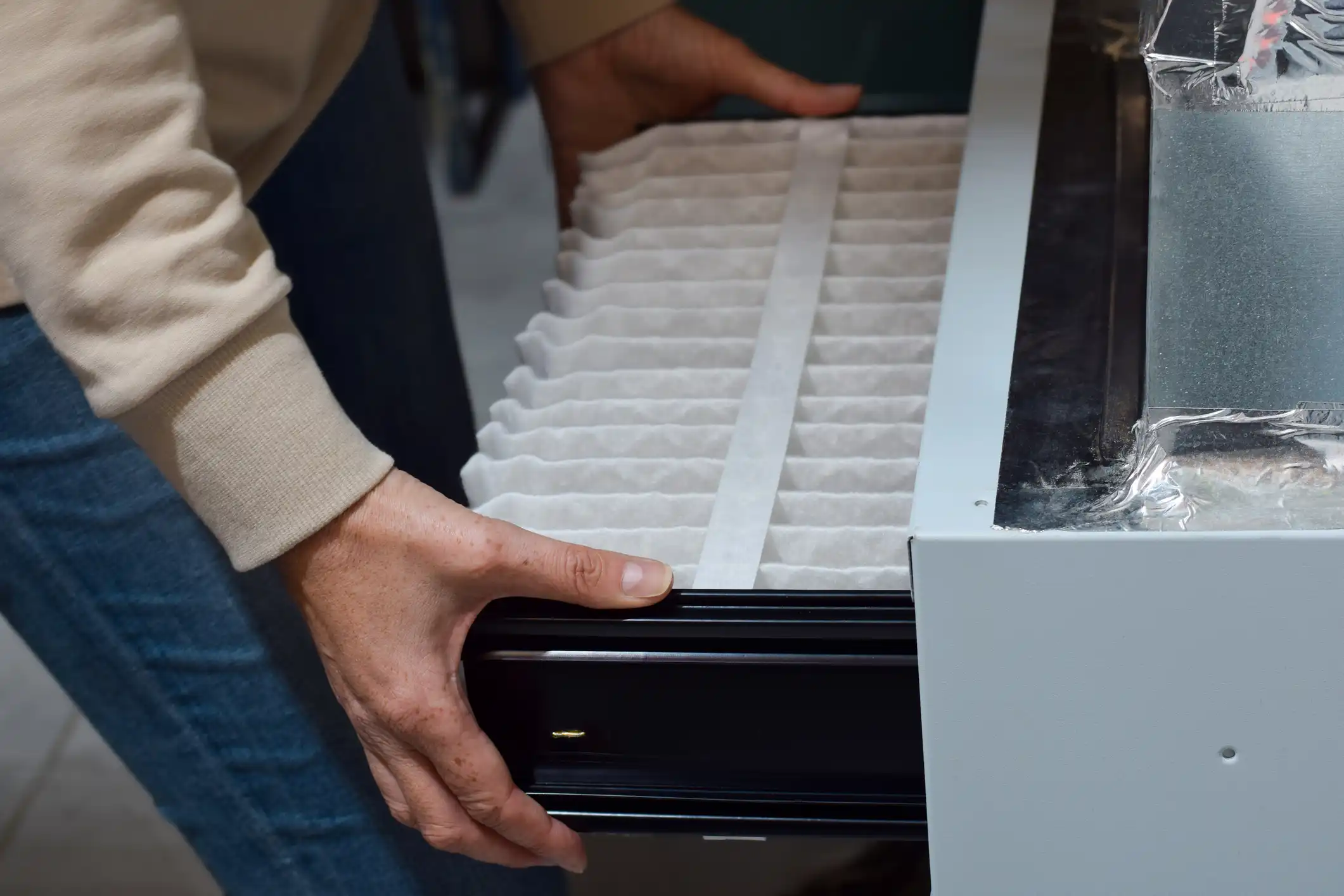
Whole-home systems filter the air as it circulates through your HVAC system. Return air from the house passes through a dedicated filter or media cabinet before entering the air handler and evaporator coil. This setup captures particulates like dust, pollen, pet dander, and many mold fragments, preventing them from recirculating and from accumulating on heat exchanger and coil surfaces.
Key components and functions:
- Return grille and ductwork deliver air to the filter.
- Filter or media box traps particulates.
- Clean air passes through the air handler and supply ducts back into living spaces.
- Optional pre-filters, carbon stages, or electronic cleaners add particle or gas removal capabilities.
Because Clermont experiences high humidity and seasonal pollen, a whole-home approach prevents frequent recontamination that single-room purifiers cannot fully address.
Filter options: standard vs high-efficiency (MERV and HEPA)
Understanding filter ratings and trade-offs helps match performance to household needs.
- Standard disposable filters (MERV 1-4)
- Captures large particles like lint and large dust.
- Low airflow restriction; inexpensive.
- Best for basic HVAC protection, not for allergy or asthma control.
- Pleated residential filters (MERV 7-11)
- Good capture of fine dust, pollen, and pet dander.
- Moderate pressure drop; suitable for most systems.
- Recommended for general allergy relief and improved IAQ in Florida homes.
- High-efficiency filters (MERV 12-13)
- Removes smaller particles including smoke, fine pollen, and many bacteria-carrying particles.
- Higher pressure drop; verify your HVAC blower can handle it.
- Often the sweet spot for homes with allergy sufferers or frequent outdoor pollen in Clermont.
- MERV 14-16 and true HEPA
- HEPA is rated to capture 99.97% of particles down to 0.3 microns.
- True in-duct HEPA requires a dedicated sealed housing or upgraded air handler because of significant airflow resistance.
- Best for immune-compromised occupants or medical needs, but not always practical as a drop-in upgrade to standard residential systems.
- Supplemental media and carbon stages
- Activated carbon targets odors and VOCs common with cleaning products, paints, or off-gassing.
- Additional media layers can be combined with MERV stages for broader contaminant control.
Recommendation for Clermont homes: For most households, a MERV 8-13 solution with a pre-filter provides the best balance of particle removal and HVAC performance. Consider upgraded media or HEPA-style solutions if there are severe allergy, asthma, or medical needs.
Installation within an existing HVAC system
Installing whole-home filtration in an existing system follows a predictable sequence designed to preserve airflow and system reliability.
System assessment
- Inspect return plenum, return grille locations, duct sizing, and current filter slot.
- Measure static pressure and blower capacity to determine allowable pressure drop.
Choose a filter method
- Replaceable pleated filter at the air handler or return grille for a simple upgrade.
- Media filter cabinet installed in the return plenum for greater filter area and longer life.
- In-duct HEPA or sealed media housings if HEPA-level filtration is required and the system can be modified.
- Electronic or electrostatic cleaners as alternatives where lower airflow restriction is needed.
Sizing and airflow adjustments
- Select filter size and MERV rating compatible with measured static pressure limits.
- If using higher-MERV media, the installer may recommend blower adjustments or duct sealing to maintain proper airflow.
Installation steps
- Shut down HVAC power, remove access panels, and install media box or filter frame.
- Seal joints and ensure correct airflow direction markings.
- Re-test static pressure and airflow; verify no undue stress on the blower.
- Re-balance airflows if supply/return differences are present.
Because humidity in Clermont can accelerate filter loading and mold growth on filters, proper sealing and avoiding bypass gaps is essential to prevent unfiltered air from short-circuiting around the filter.
Maintenance and filter replacement schedules
Maintenance keeps filter performance consistent and avoids excessive strain on your HVAC system. Replacement intervals vary by filter type, household activity, and local pollutant loads.
Typical schedules:
- Standard disposable filters (MERV 1-4): replace every 30-60 days.
- Pleated filters (MERV 8-11): replace every 60-90 days; monthly in homes with pets or heavy pollen seasons.
- Higher-efficiency filters (MERV 12-13): replace every 60-120 days; check monthly during high pollen or humidity spikes.
- Media cabinets with large-area media: media replacement every 6-12 months depending on load; pre-filters changed more frequently.
- In-duct HEPA modules: service/replace per manufacturer recommendations, often 12 months or longer; inspect pre-filters monthly.
- Activated carbon or specialty media: replace based on odor breakthrough or scheduled interval, typically 3-12 months.
Practical tips for Clermont:
- Check filters more frequently during late winter to early summer pollen periods and after storm events that stir up particulate.
- In high-humidity months, inspect filters for signs of mold or moisture and ensure return areas are dry and sealed.
- Keep a visible maintenance schedule near the HVAC access panel so filter changes are not overlooked.
Expected indoor air quality improvements
When properly matched and installed, whole-home filtration produces measurable improvements:
- Reduced airborne particulates: 50-95% reduction in dust, pollen, and pet dander depending on MERV rating.
- Fewer allergy and asthma triggers: lower symptom frequency for occupants sensitive to pollen and dust mite fragments common in Central Florida.
- Cleaner HVAC components: less coil and duct fouling, preserving system efficiency and potentially lowering maintenance needs.
- Reduced cleaning frequency: less dust settling on surfaces and fewer visible dust buildups.
- Targeted odor and VOC reduction if activated carbon stages are included.
Limitations and realities:
- Filtration removes particles but does not control humidity; high humidity in Clermont can still promote mold growth on surfaces. Pair filtration with proper dehumidification for best results.
- Filtration alone has limited ability to remove gases and some VOCs unless specific media is used.
- Very high-efficiency filters increase pressure drop; if the HVAC system cannot maintain airflow, comfort and efficiency may decline. Proper system evaluation prevents that outcome.

Customer Testimonials

Service Areas