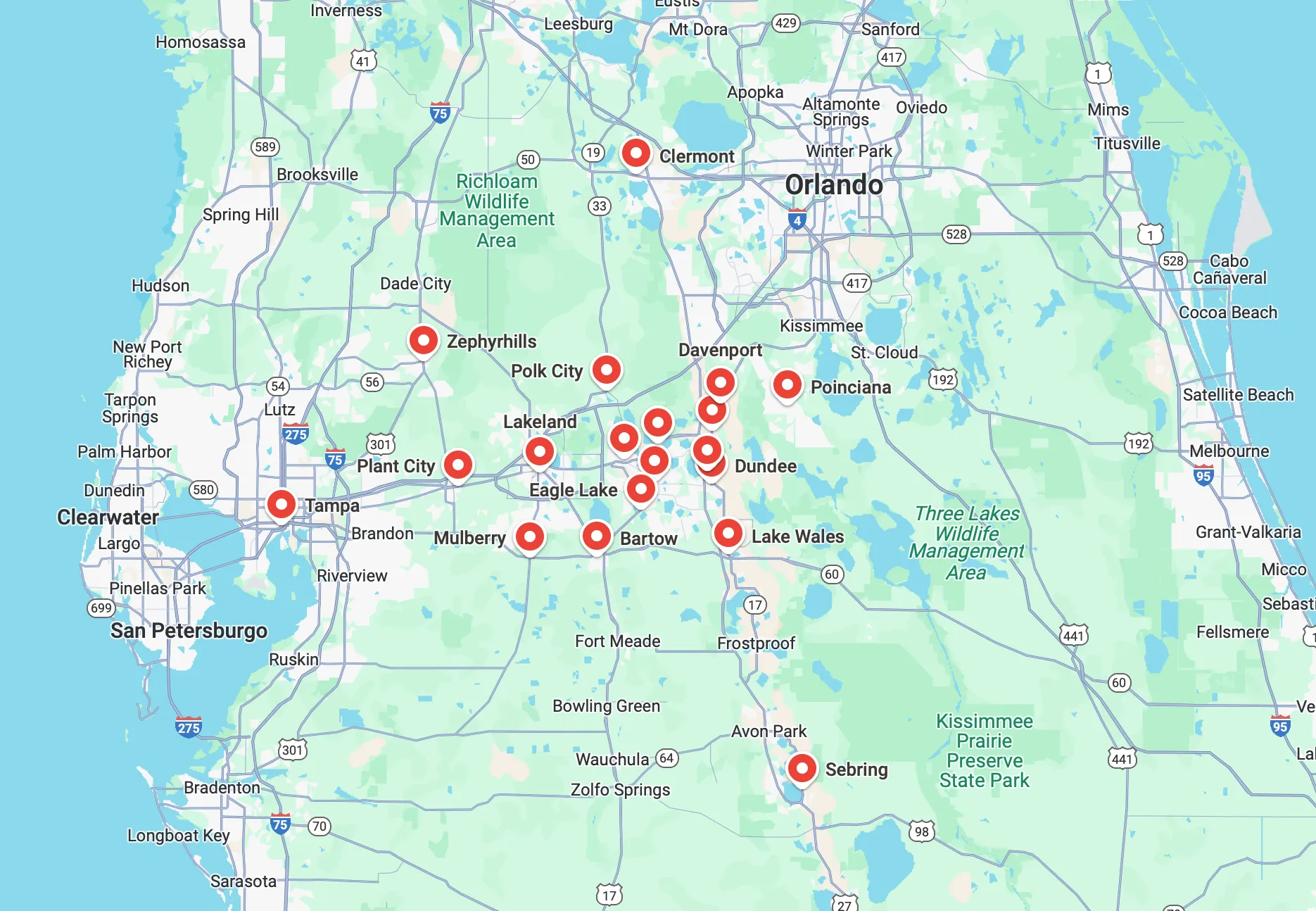
HVAC Service in Clermont, FL
HVAC Service in Clermont, FL
Keeping your home comfortable and healthy in Clermont, FL means addressing more than just cooling during summer. With hot, humid summers, frequent thunderstorms, and seasonal pollen, local homes face unique HVAC challenges: extended AC runtime, moisture-related problems, and higher potential for indoor air quality concerns. Professional HVAC service in Clermont, FL focuses on preventing system failures, improving efficiency, and reducing humidity and allergen levels so your system performs reliably year round.
.jpeg)
Common HVAC issues in Clermont, FL
Homeowners in Clermont commonly search for solutions to these problems:
- Refrigerant leaks and reduced cooling capacity from heavy AC use during long, hot seasons.
- Short cycling or frequent on/off cycles caused by thermostat or electrical issues.
- Clogged condensate drains and overflow problems that lead to water stains and mold growth in humid weather.
- Reduced airflow due to dirty filters or partially blocked ductwork from pollen and dust.
- Corrosion and premature component wear from high humidity and frequent outdoor moisture exposure.
- Poor indoor air quality: increased dust, pollen, mold spores, and lingering odors during peak allergy seasons.
- Inconsistent temperatures or hot spots due to duct leaks, poor insulation, or undersized systems.
What standard HVAC services include
A thorough Clermont HVAC service program typically covers:
- Routine inspections and seasonal tune-ups to optimize cooling performance before peak demand.
- Diagnostic visits for system failures, unusual noises, or loss of cooling.
- Minor repairs like capacitor replacement, relay/contactor repairs, fan motor servicing, and condensate line clearing.
- Thermostat and control upgrades for better temperature management and energy savings.
- Indoor air quality assessments including humidity measurement, filter review, and options for purification or dehumidification.
- Ductwork checks and basic sealing to address leaks, blockages, or insulation issues.
- Service plans that bundle inspections, priority scheduling, and preventive maintenance.
Diagnostic process: what technicians check
A clear, step-by-step diagnostic approach ensures accurate fixes with minimal disruption:
- Visual inspection of indoor and outdoor units for damage, debris, and corrosion.
- Performance testing measuring temperature split, airflow, and system run cycles to identify inefficiencies.
- Refrigerant level and pressure checks to detect leaks or undercharge conditions.
- Electrical system inspection including capacitors, contactors, wiring, and safety switches.
- Thermostat calibration and control system verification to ensure proper communication.
- Condensate system inspection to confirm free drainage and check for microbial growth.
- Duct inspection for visible leaks, disconnected seams, or inadequate insulation where accessible.
- Indoor air quality checks using humidity readings and filter assessments to recommend improvements.
This method identifies root causes so repairs target the underlying issue rather than just symptoms.
Repairs and solutions explained
Understanding common repairs helps homeowners make informed decisions:
- Refrigerant leak repair and recharge: fixing the leak and restoring proper refrigerant levels restores cooling efficiency and prevents compressor damage.
- Capacitor and contactor replacement: common wear items that cause starting issues and intermittent operation when failing.
- Blower motor servicing or replacement: restores airflow to eliminate hot spots and maintain comfort.
- Coil cleaning and condensate drain clearing: improves heat transfer and prevents water damage and mold.
- Duct sealing and insulation: reduces energy loss and balances airflow to improve comfort and lower energy bills.
- Thermostat upgrades and zoning controls: smarter scheduling and zoning reduce runtime and improve temperature consistency across the home.
- IAQ upgrades: high-efficiency filters, UV lights, dehumidifiers, and whole-house purifiers reduce allergens, mold spores, and odors, which is especially important in Clermont’s humid environment.
Each solution aims to improve system reliability, lower operating costs, and extend equipment lifespan.
Service plans and typical models
Homeowners in Central Florida often choose structured service plans to avoid peak-season failures. Typical features include:
- Seasonal tune-ups before summer and after peak season.
- Priority scheduling for members during high-demand periods.
- Flat-fee diagnostic options and discounted repair labor or parts under plan membership.
- Regular filter reminders and inspection checklists included with visits.
A preventive maintenance plan focuses on cost avoidance: routine checks reduce the risk of emergency replacements and help maintain manufacturer warranties by documenting professional care.
Preparing for a service visit and what to expect
To make a service visit efficient and safe, prepare these basics:
- Clear at least 2 feet of clearance around the outdoor condenser for technician access.
- Note symptoms: noisy operation, short cycling, uneven cooling, or visible water leaks.
- Ensure the thermostat has fresh batteries and is set to cooling when expecting an AC check.
- Secure pets and keep pathways clear so technicians can move between indoor and outdoor equipment.
- Have warranty information or equipment manuals handy if available.
Typical visits last 30 minutes to 2 hours depending on diagnostics and repairs. Technicians should present findings, explain repair options, and outline expected performance improvements before completing work.
Maintenance tips for Clermont homeowners
Small habits deliver big benefits in Clermont’s climate:
- Replace or clean filters every 1 to 3 months during high-use seasons.
- Schedule an AC tune-up in early spring to prepare for increased cooling loads.
- Keep condensate lines clear and inspect for signs of overflow or mold.
- Maintain 2 feet of clearance around outdoor units and trim landscaping to reduce debris and shading that restricts airflow.
- Consider a whole-house dehumidifier or smart thermostat to manage humidity and runtime during rainy months.
- If your system is older, evaluate high-efficiency replacements with higher SEER ratings and variable-speed compressors for better comfort and lower energy costs.
Why regular HVAC service matters in Clermont, FL
Regular HVAC service in Clermont, FL stabilizes comfort, reduces unexpected breakdowns during peak heat, and protects indoor air quality in a humid, allergy-prone region. Preventive maintenance translates to lower energy bills, fewer emergency repairs, and longer equipment life. By addressing common local causes like high runtime, humidity-related issues, and pollen buildup, a consistent service approach keeps your home comfortable and healthy year round.

Customer Testimonials

Service Areas