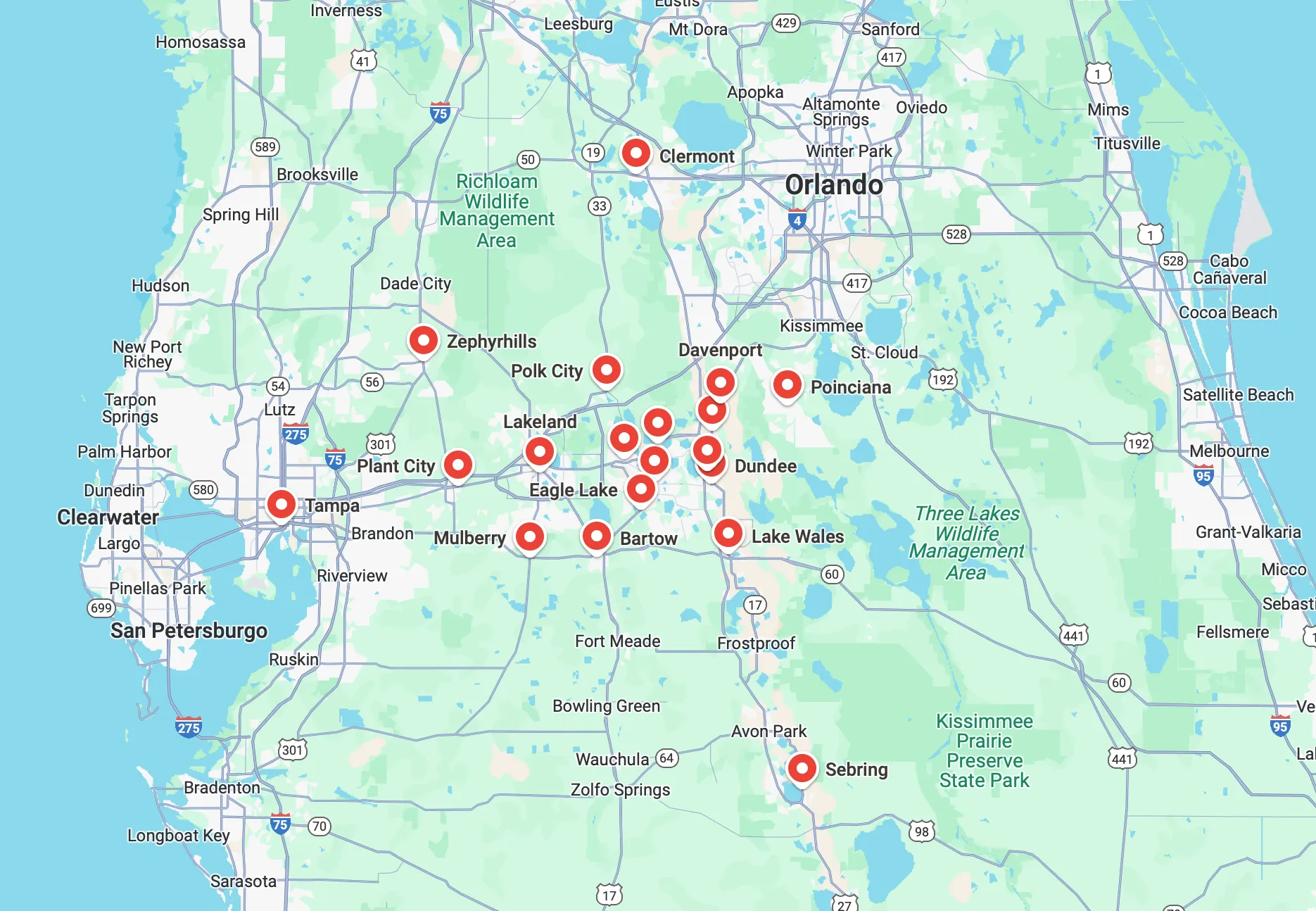
HVAC Installation in Clermont, FL
HVAC Installation in Clermont, FL
Replacing or installing a new HVAC system is one of the most impactful home investments you can make in Clermont, FL. With long, hot, humid summers and frequent storm seasons, properly sized and installed cooling equipment keeps your home comfortable, controls indoor humidity, reduces energy bills, and prevents moisture-related problems like mold.
.jpeg)
Why homeowners in Clermont choose a new HVAC installation
- Persistent high cooling bills or an aging system that needs constant repair
- Uneven temperatures, high indoor humidity, or poor airflow in rooms
- Noisy compressor or frequent short-cycling
- Wanting modern efficiency, better dehumidification, or zoned comfort
- Remodeling or additions that change the home’s cooling load
Common HVAC installation issues in Clermont, FL
- Oversized or undersized systems due to improper load calculations
- Duct leakage and poor insulation leading to energy loss and humidity problems
- Inadequate dehumidification causing clammy indoor environments and mold risk
- Equipment exposed to storms or poor drainage causing premature failure
- Noncompliant installations that fail local permitting or inspection
How we assess your home and size the system
A correct installation starts with a professional home assessment and load calculation:
- Load calculation (Manual J): Evaluates your home’s square footage, insulation, windows, orientation, occupancy, and local climate to determine the precise cooling and heating capacity you need.
- Duct design (Manual D): Checks duct layout, sizing, and return pathways to ensure balanced airflow to each room.
- Equipment selection (Manual S): Matches the right make and model to your calculated load and performance goals.
These steps prevent oversizing (which causes short-cycling and humidity issues) and undersizing (which leaves rooms uncomfortable and reduces system life).
Equipment selection: efficiency, type, and sizing
When choosing a new system in Clermont, consider:
- Efficiency ratings: Look at SEER and EER for air conditioners and heat pumps. Higher ratings mean more cooling per unit of electricity - especially valuable in Florida’s long cooling season.
- System type: Central split systems, heat pumps (common in Florida), and ductless mini-splits are all viable depending on your home. Heat pumps offer year-round climate control and efficient operation for mild winters.
- Variable-speed vs single-stage: Variable-speed compressors and ECM blowers provide more consistent temperatures and better dehumidification than single-stage units.
- Proper sizing: Matching capacity to actual load is critical for comfort and humidity control in Clermont’s humid climate.
Ductwork evaluation and replacement
Ducts play a major role in performance:
- Inspect for leaks, crushed or disconnected sections, poor insulation, and improper sizing.
- Measure static pressure and airflow to identify restrictions that undermine efficiency.
- Common solutions: sealing and insulating ducts, rerouting or resizing runs, replacing old flex duct, or installing new return pathways.
- Addressing ducts can improve efficiency 10-30% and dramatically improve humidity control.
Permitting and compliance
All installations must meet Florida building codes and local Lake County / City of Clermont permitting and inspection requirements:
- Obtain required permits before work begins and schedule inspections as dictated by local authorities.
- Installations must comply with mechanical code, refrigerant handling rules (EPA certification for refrigerant), and electrical code for safe, compliant operation.
- Proper permitting protects property value and ensures equipment is installed to code.
Typical installation timeline and what to expect on install day
Typical residential installs range from one to three days depending on scope:
- Day 0: Final site measurement, delivery of equipment, and prep.
- Day 1: Removal of old equipment, duct modifications, and mounting of new outdoor and indoor units.
- Day 2: Refrigerant line connections, electrical hookups, thermostat installation, condensate and drainage work, and system startup.
- Final walkthrough: Installer reviews operation, thermostat programming, filter locations, and maintenance recommendations.
On install day expect crews to be professional, to protect work areas, and to leave the site clean. Licensed technicians will test safety systems and handle refrigerant properly.
Post-install testing and commissioning
A thorough commissioning confirms the system performs as designed:
- Verify airflow, static pressure, and temperature split across the evaporator coil.
- Check refrigerant charge and superheat/subcooling values.
- Confirm thermostat calibration, airflow balancing, and proper drainage.
- Test safety controls, electrical connections, and system sequencing.
- Provide a homeowner walkthrough covering filter care, thermostat settings, and what normal operation sounds like.
Warranties and financing options
New HVAC systems come with multiple warranty layers:
- Manufacturer warranty on compressors and major components (parts and sometimes labor).
- Labor warranty from the installer for workmanship for a specified period.
- Extended warranty and maintenance agreements may be available for ongoing coverage. Financing options often include energy-efficient equipment loans, payment plans, or other financing structures to spread the investment over time. These choices can make a higher-efficiency system more accessible while delivering long-term savings.
Energy-savings estimates and lifetime value
Energy savings depend on your starting point and system choices:
- Upgrading from an older low-efficiency unit to a modern high-SEER heat pump or AC can reduce cooling energy use by 20 to 40 percent in many Clermont homes.
- Proper duct sealing and system commissioning can add another 10 to 20 percent improvement.
- Savings are amplified in Clermont’s long cooling season and high humidity - better dehumidification also reduces the need to run the AC continuously for comfort.
Consider total cost of ownership: lower energy bills, fewer repairs, improved comfort, and longer equipment life often justify the upfront investment.
Maintenance tips to protect your investment in Clermont
- Replace or clean filters every 1-3 months depending on use and filter type.
- Schedule annual or biannual tune-ups before peak cooling season to maintain efficiency and spot wear.
- Keep condensate lines clear and outdoor unit free of debris, plants, and obstructions.
- Seal attic bypasses, add attic insulation where needed, and shade the outdoor unit to reduce workload.
- Use a programmable or smart thermostat to avoid unnecessary runtime.
A properly planned HVAC installation in Clermont, FL, addresses the unique demands of Florida’s climate - focusing on correct sizing, humidity control, duct performance, and code-compliant installation. That combination delivers the reliable comfort, lower bills, and improved indoor air quality Clermont homeowners need.

Customer Testimonials

Service Areas