HVAC Replacement in Haines City, FL
HVAC Replacement in Haines City, FL
Replacing an HVAC system is one of the most impactful home improvements for comfort, energy costs, and indoor air quality-especially in Haines City where long, humid summers put constant demand on cooling equipment.
.webp)
When to replace vs repair
Choosing replacement over repair is a decision driven by age, reliability, efficiency, and safety. Common indicators that homeowners in Haines City should consider HVAC replacement include:
- System age: most central ACs and heat pumps older than 10–15 years lose efficiency and reliability.
- Frequent breakdowns: several repairs in a short span signal diminishing returns on fixes.
- Rising energy bills: steadily increasing cooling costs despite routine service.
- Inadequate cooling or uneven temperatures across rooms.
- Refrigerant issues: older units using phased-out refrigerants (for example R-22) are costly to recharge.
- Major component failure: compressor or coil failures are often expensive enough to justify replacement.
- Excess humidity, mold smell, or poor indoor air quality despite functioning equipment.
- Visible rust, refrigerant leaks, or oil stains.
In Haines City’s humid climate, systems that struggle to dehumidify even when running are especially problematic—replacement with a properly sized, variable‑capacity system often resolves both cooling and humidity control.
Equipment selection for improved efficiency and comfort
Selecting the right replacement equipment matters more than simply picking the highest SEER number. Key selection criteria:
- Proper sizing: a Manual J load calculation ensures the unit matches your home’s actual cooling load—oversized systems cycle too often and fail to control humidity.
- Efficiency ratings: higher SEER and HSPF ratings reduce energy use; in hot climates, investing in a higher‑efficiency unit typically yields faster energy savings.
- Variable‑speed compressors and ECM blowers: these provide more consistent temperatures, better humidity control, and quieter operation.
- Two‑stage or modulating systems: improve comfort during both peak and moderate load periods common in central Florida.
- Matched components: indoor coil, filter, and blower should be matched to the outdoor condensing unit for optimal performance.
- Dehumidification and IAQ options: upgraded coils, whole‑house dehumidifiers, and improved filtration are valuable where humidity and pollen are concerns.
- Alternative options: ductless mini‑splits, heat pumps, or hybrid configurations can be efficient choices for specific zones or additions.
Cost vs long‑term savings
Replacement requires an upfront investment but can yield measurable lifetime savings:
- Lower monthly energy bills from higher efficiency and better humidity control.
- Fewer repair bills and reduced downtime.
- Extended equipment life and warranty coverage.
- Increased home comfort and potential resale value.
Because Haines City experiences high cooling demand, the payback period for efficiency upgrades is often shorter than in milder climates. Consider total lifecycle costs—not just purchase price—including expected annual energy savings, maintenance, and rebate incentives.
Removal and disposal of old equipment
Professional replacement includes responsible removal and disposal:
- Certified refrigerant recovery to capture and recycle or destroy refrigerant per EPA regulations.
- Safe transport and recycling of metal, copper, and electronic components.
- Proper disposal of pads, old duct components, and insulation materials.
- Site cleanup and verification that electrical and gas connections meet current codes.
Proper disposal protects your property and ensures compliance with environmental regulations common across Florida municipalities.
Ductwork and thermostat upgrades
Many comfort problems persist even after replacing the outdoor unit because of duct or control issues. Common upgrades include:
- Duct inspection, sealing, and insulation to eliminate leaks and improve airflow.
- Duct resizing or partial replacement when undersized or deteriorated ducts limit performance.
- Zoning systems for multi‑story homes or rooms with different occupancy patterns.
- Smart or programmable thermostats with humidity control and remote sensors for balanced comfort and better efficiency.
Upgrading ducts and controls during replacement maximizes the new system’s performance and prolongs its useful life.
Available rebates and financing
Multiple incentive paths can reduce net cost:
- Federal tax credits and energy incentives may apply to qualifying high‑efficiency heat pumps and energy‑saving upgrades.
- State and local utility rebate programs often reward SEER/HSPF thresholds or equipment types that reduce peak demand.
- Financing options tailored for HVAC projects include fixed‑rate loans, deferred interest promotions, and energy‑efficiency loans that spread cost over time.
Eligibility and availability vary; documentation such as equipment model numbers and installation invoices are typically required for rebates or tax claims.
Project timeline and warranties
Typical replacement timeline:
- Assessment and load calculation: 1 hour on site.
- Equipment selection and ordering: a few days to several weeks, depending on availability and special options.
- Installation: most standard split‑system replacements take 1–2 days; larger systems or jobs that require ductwork, permitting, or structural changes may take longer.
- Testing and homeowner orientation: final checks, airflow balancing, and thermostat programming usually completed on day of install.
Warranty types to evaluate:
- Manufacturer parts and compressor warranties (varying lengths, often 5–12 years when registered).
- Labor or installation warranties from the installing contractor.
- Requirements for regular maintenance to keep warranties valid.
In Haines City, installations should also account for local building codes and hurricane‑resistant mounting where applicable.
How scheduling a replacement assessment typically works
The standard process to arrange a replacement assessment involves these steps:
- Request an assessment and provide basic home details and the existing system’s age and symptoms.
- An on‑site technician performs a Manual J load calculation, inspects ductwork, checks refrigerant and electrical systems, and assesses indoor air quality.
- You receive a written estimate that outlines recommended equipment options, expected energy savings, timeline, removal/disposal details, and potential rebates or financing options.
- Once an option is selected, permits are obtained if required, equipment is ordered, and an installation date is scheduled. Final inspection and system startup follow installation.
Benefits and simple maintenance tips
A proper HVAC replacement in Haines City delivers:
- Steadier indoor temperatures and humidity control.
- Lower energy bills and fewer emergency repairs.
- Improved indoor air quality and comfort for family and pets.
Simple maintenance to protect your investment:
- Replace filters regularly and use recommended MERV ratings.
- Keep outdoor condenser clear of debris and vegetation.
- Schedule annual tune‑ups, ideally before peak cooling season.
- Use programmable thermostat settings and humidity controls suited to Florida’s climate.
- Consider surge protection to guard electronics during thunderstorms.
Replacing an HVAC system is a strategic decision for Haines City homeowners who want reliable comfort and long‑term energy savings. A carefully timed assessment, proper equipment selection, and attention to ductwork and controls ensure the new system performs as intended in the region’s hot, humid conditions.

Customer Testimonials

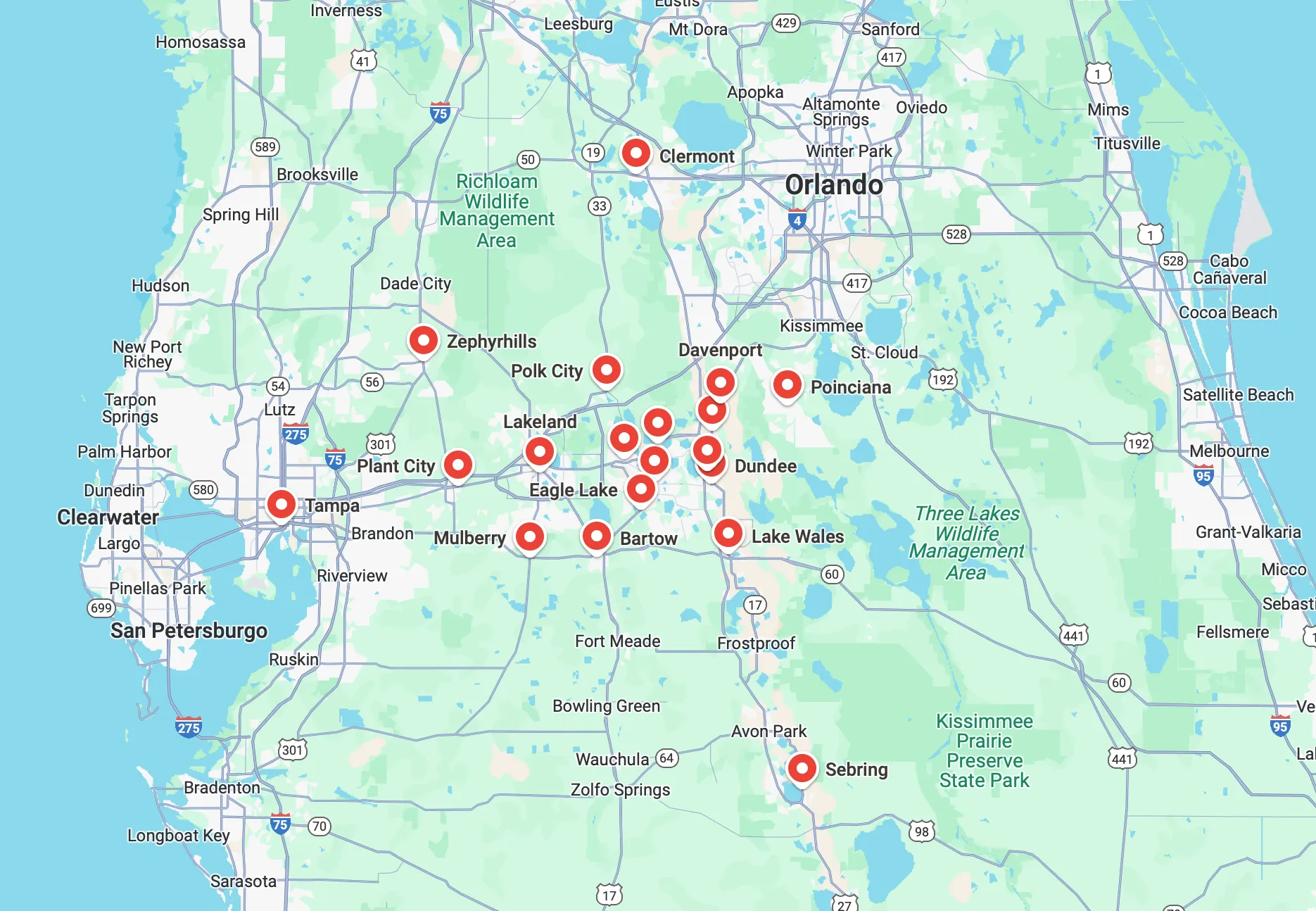
Service Areas