HVAC Installation in Haines City, FL
HVAC Installation in Haines City, FL
Upgrading or installing a new HVAC system in Haines City, FL means more than swapping equipment. With long, hot summers, high indoor humidity, and seasonal storms, the right installation preserves comfort, improves indoor air quality, lowers energy bills, and ensures code compliance during inspections.
-min.jpeg)
Common HVAC installation scenarios in Haines City homes
- Full system replacement: aging or failing air conditioners or heat pumps that no longer cool efficiently.
- New construction or additions: sizing and duct design for newly built homes or major remodels.
- Ductless mini‑split installation: for rooms without existing ductwork or for zoned comfort.
- Ductwork replacement or major modification: addressing leaks, undersized runs, or poor airflow.
- Upgrading to high‑efficiency heat pumps or variable‑speed systems: to reduce operating costs in our hot, humid climate.
On‑site assessment and load calculations
A reliable installation starts with an on‑site assessment and proper load calculation (Manual J). Technicians measure your home’s:
- Square footage and orientation (sun exposure matters in Haines City).
- Insulation levels, window types and shading.
- Air infiltration and planned occupancy.
- Duct layout and condition.
From that data, a Manual J load calculation determines the cooling and heating capacity your home actually needs. Proper sizing prevents short cycling, uneven temperatures, and premature equipment wear—especially important in Florida’s high cooling demand.
Guidance on selecting energy‑efficient units and proper sizing
Energy efficiency and correct sizing go hand in hand:
- Look for SEER and HSPF ratings: higher SEER (Seasonal Energy Efficiency Ratio) units use less energy to cool. In Haines City, higher SEER ratings deliver the most savings during long cooling seasons.
- Consider variable‑speed compressors and multi‑stage systems: they modulate output for more consistent temperatures, improved humidity control, and quieter operation.
- Evaluate heat pump options: modern heat pumps offer efficient cooling and heating for Florida’s mild winters.
- Balance first‑cost and lifecycle cost: a slightly pricier, higher‑efficiency unit often reduces lifetime energy bills and qualifies for incentives.
Proper sizing from the Manual J prevents undersized systems from running continuously and oversized systems from short cycling, which worsens indoor humidity control.
Ductwork evaluation and modifications
Duct condition directly affects comfort and efficiency:
- Inspect for leaks, disconnected joints, and inadequate insulation—common issues that increase cooling loads.
- Address undersized return ducts, poorly located supply registers, or excessive static pressure.
- Consider sealing and insulating ducts, adding returns, or redesigning runs for better airflow.
- For homes without existing ducts or with irreparable systems, ductless mini‑splits are an efficient alternative.
Good ductwork ensures balanced airflow, better humidity control, and lower utility bills.
Permits and code compliance in Haines City
HVAC installations must comply with the Florida Building Code and local Polk County or Haines City permit requirements. A professional installer will:
- Verify required permits and schedule inspections.
- Ensure equipment meets local code for hurricane straps, electrical disconnects, refrigeration safety, and proper clearances.
- Provide documentation inspectors need for final sign‑off.
Following code protects your property value, safety, and insurance coverage.
Typical installation process and expected timeline
A standard residential HVAC replacement usually follows these steps:
- Pre‑installation site visit and final equipment selection.
- Obtain permits and order equipment.
- Day 1: Remove old equipment, prepare pad/rails and access, begin duct modifications if needed.
- Day 2: Set new outdoor unit and indoor coil or air handler, make duct and refrigerant connections, install thermostat and electrical hook‑ups.
- Commissioning: evacuate and charge refrigerant, calibrate controls, and run initial performance checks.
- Final inspection and homeowner walkthrough.
Most straight replacements take 1–3 days. Extensive ductwork, structural modifications, or custom systems extend the timeline.
Warranty, manufacturer registration, and maintenance plan
- Manufacturer warranty covers defects in equipment; labor warranties cover installation workmanship. Confirm both types and get registration completed to preserve extended warranty eligibility.
- Keep copies of installation documents, serial numbers, and warranty cards.
- Establish a maintenance plan: biannual tuneups (pre‑season cooling and heating checks) extend equipment life, preserve efficiency, and maintain warranty requirements.
Post‑installation testing and walkthrough
A thorough post‑installation check shows the system is operating as intended:
- Measure airflow, static pressure, and supply/return temperatures.
- Verify refrigerant charge and electrical safety.
- Test thermostat operation and zoning controls.
- Check condensate drain, pan alarms, and airflow balance.
- Provide a homeowner walkthrough with system documentation, filter sizes, recommended maintenance schedule, and tips for optimal thermostat settings.
Financing options and available rebates
Several pathways can make energy‑efficient HVAC more affordable:
- Contractor or third‑party financing with fixed payments or deferred interest.
- Utility rebates for high‑efficiency equipment or heat pumps offered by local or regional energy providers.
- Manufacturer incentives that reduce purchase cost for qualifying models.
- Federal tax credits or statewide efficiency programs that may apply to certain high‑efficiency systems.
Ask for documentation of applicable rebates and incentive eligibility tied to specific equipment SEER/HSPF ratings and installation requirements. Properly installed, high‑efficiency equipment often qualifies for the most incentives.
What to expect in a professional written quote
A complete HVAC installation estimate should include:
- Detailed scope of work and system description (brand, model, SEER/HSPF).
- Results summary of Manual J load calculation and ductwork assessment.
- Itemized costs for labor, equipment, ductwork modifications, permits, and disposal.
- Estimated timeline for the project and inspection milestones.
- Warranty coverage details and manufacturer registration responsibilities.
- Any financing options or notes about potential rebates.
Providing transparent documentation helps homeowners compare bids and ensures you know exactly what’s included.
Long‑term benefits and maintenance advice
A correctly sized, professionally installed HVAC system in Haines City improves year‑round comfort, stabilizes indoor humidity, reduces energy bills, and supports better indoor air quality. Regular maintenance-filter changes, coil cleaning, and annual tuneups—keeps performance high and extends equipment life. Given Haines City’s climate, prioritizing humidity control, proper airflow, and corrosion‑resistant installation practices delivers the best long‑term results.

Customer Testimonials

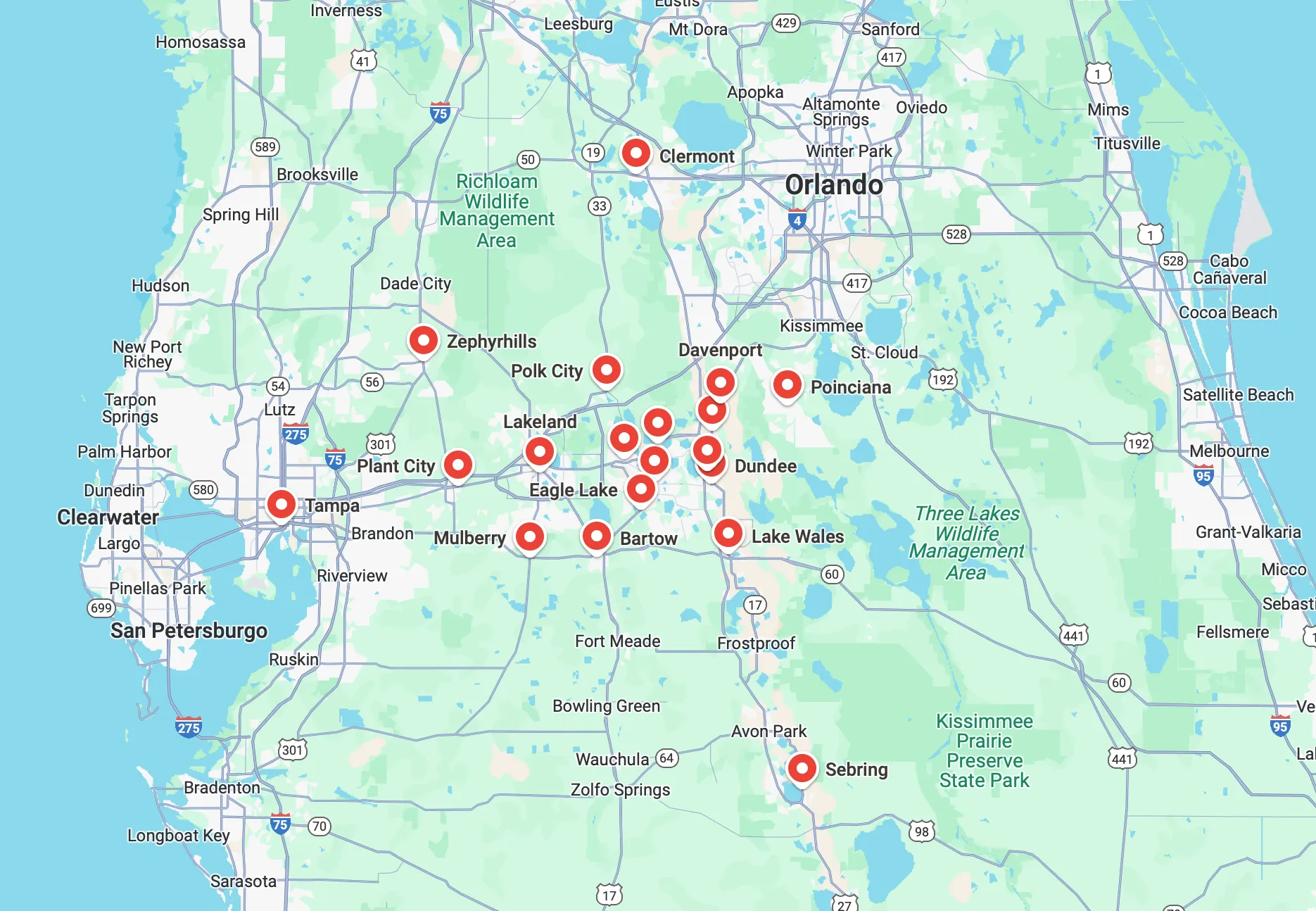
Service Areas