HVAC Repair in Lakeland, FL
HVAC Repair in Lakeland, FL
Keeping your HVAC system running reliably is essential in Lakeland, FL where hot, humid summers and frequent afternoon storms mean homes depend on efficient cooling and dehumidification most of the year. If your system is underperforming, cycling oddly, making unusual noises, or causing spikes in energy bills, prompt HVAC repair protects comfort, indoor air quality, and equipment life.
.webp)
Common HVAC repair issues in Lakeland, FL
Lakeland’s climate and local conditions influence failure patterns. The most common issues we diagnose include:
- Compressor failures: Continuous high cooling demand and occasional power surges can stress compressors. Symptoms include system short-cycling, warm air, or loud humming and clanking from the outdoor unit.
- Refrigerant leaks: Corrosion in coils or line sets and age-related seal failure lead to refrigerant loss. Signs are reduced cooling capacity, ice on evaporator coils, and higher run times.
- Thermostat faults: Incorrect readings, intermittent control, or failed communication between thermostat and air handler produce inconsistent temperatures and frequent cycling.
- Electrical problems: Corroded contacts, bad capacitors, tripped breakers, and storm-related wiring damage frequently cause no-cool conditions or repeated system reset.
- Condensate and drainage issues: High indoor humidity and occasional debris can clog drain lines or pans, causing leaks and safety switches to shut down the system.
- Duct and airflow restrictions: Dirty filters, closed dampers, or poorly insulated/ductwork lead to uneven cooling and higher operating loads.
Diagnostic process: what to expect
A professional HVAC diagnostic focuses on identifying root causes, not symptoms. Typical steps include:
- Visual inspection of indoor and outdoor units, piping, wiring, and condensate lines.
- System performance checks: measuring temperature splits, airflow, static pressure, and voltage/current readings.
- Refrigerant pressure and leak detection using electronic detectors or dye when necessary.
- Thermostat and control verification, including communication checks for smart thermostats.
- Component testing (capacitors, contactors, motors, and compressor) and inspection for corrosion or physical damage.
Technicians document findings and explain the likely causes and repair options in plain language, including parts required and projected timelines.
Repairs, timelines, and what affects cost
Repair scope and time vary by issue and equipment age. Typical timelines are:
- Minor repairs (capacitor or contactor replacement, thermostat recalibration, filter or drain clearing): often completed the same day.
- Moderate repairs (refrigerant recovery and leak repair, motor replacement, coil cleaning): commonly completed within 24 to 72 hours, depending on parts availability.
- Major repairs or replacements (compressor replacement, major coil or refrigerant line work, total system replacement): may require multiple days and coordination for replacement parts or permits.
Factors that influence repair cost and timeline include system age, refrigerant type (older systems may use phased-out refrigerants requiring conversions), parts availability, accessibility of equipment (rooftop units vs. ground level), and whether additional repairs (ductwork, electrical panel upgrades) are needed. Estimates are provided after diagnostics so you understand options and trade-offs, such as repair versus replacement for older, inefficient equipment.
Emergency response and dispatch expectations in Lakeland
Because of extreme heat and humidity, many Lakeland residents need fast service when systems fail. Emergency HVAC repair services prioritize safety and quick restoration of cooling. What to expect:
- Dispatch windows: emergency calls are typically triaged with estimated arrival windows; technicians will assess whether the issue requires immediate stabilization (temporary fixes) or scheduled repair.
- On-site safety checks: technicians will verify electrical safety, gas connections (if applicable), and indoor air risks before beginning work.
- Temporary measures: when parts are not immediately available, technicians can often provide temporary fixes to restore cooling or prevent further damage until a permanent repair can be completed.
- Documentation: emergency visits include a diagnostic report and clear recommendations for follow-up work or parts orders.
Note that severe weather events can extend response times due to high demand.
Parts and labor warranties, refrigerant handling
Warranties and compliance matter for long-term reliability:
- Parts warranties: manufacturer parts often carry multi-year warranties for major components (compressors, coils), while many smaller parts have shorter coverage. Expect documented warranty periods for replaced parts.
- Labor warranties: professional HVAC repairs typically include a labor warranty that covers workmanship for a set period following the repair. Confirm the length of labor coverage and what it includes.
- Refrigerant handling: refrigerant recovery, disposal, and recharge must follow federal and state regulations and be performed by EPA-certified technicians. If your system uses legacy refrigerants, technicians will advise on legal and practical options.
Technicians will provide written documentation of diagnostic findings, parts installed, and warranty terms for your records.
Scheduling service and preventive maintenance for Lakeland homes
To reduce emergency breakdowns and optimize efficiency in Lakeland’s climate:
- Schedule preventive maintenance at least twice a year: spring for cooling system prep and fall for heat pump or furnace checks. Regular tune-ups help prevent refrigerant leaks, detect electrical wear, and maintain capacity.
- Replace air filters on a regular cadence (every 1-3 months depending on filter type and household factors) to reduce airflow restriction and extend equipment life.
- Keep outdoor units clear of debris, landscaping, and mulch. High humidity and pollen in Lakeland increase dirt accumulation on coils.
- Inspect condensate drains and pans annually to prevent clogs and water damage.
- Consider a programmable or smart thermostat to manage cooling loads and reduce runtime without sacrificing comfort.
Seasonal scheduling is important: spring tune-ups reduce the likelihood of mid-summer failures, while pre-storm checks can lower the risk of storm-related electrical issues.
Why timely HVAC repair matters in Lakeland
Prompt diagnosis and repair protect your home from uncomfortable indoor conditions, poor air quality, and expensive secondary damage such as mold from condensate overflow. In Lakeland’s hot, humid climate, keeping HVAC systems running efficiently also preserves equipment life and helps manage energy use. Professional, documented repairs and clear warranty terms give you confidence in the outcome and reduce the chance of repeat failures.
If your system shows warning signs—reduced cooling, unusual noises, excess humidity, or frequent cycling-professional HVAC repair in Lakeland, FL focuses on finding the root cause, restoring safe operation, and recommending durable solutions tailored to local conditions.

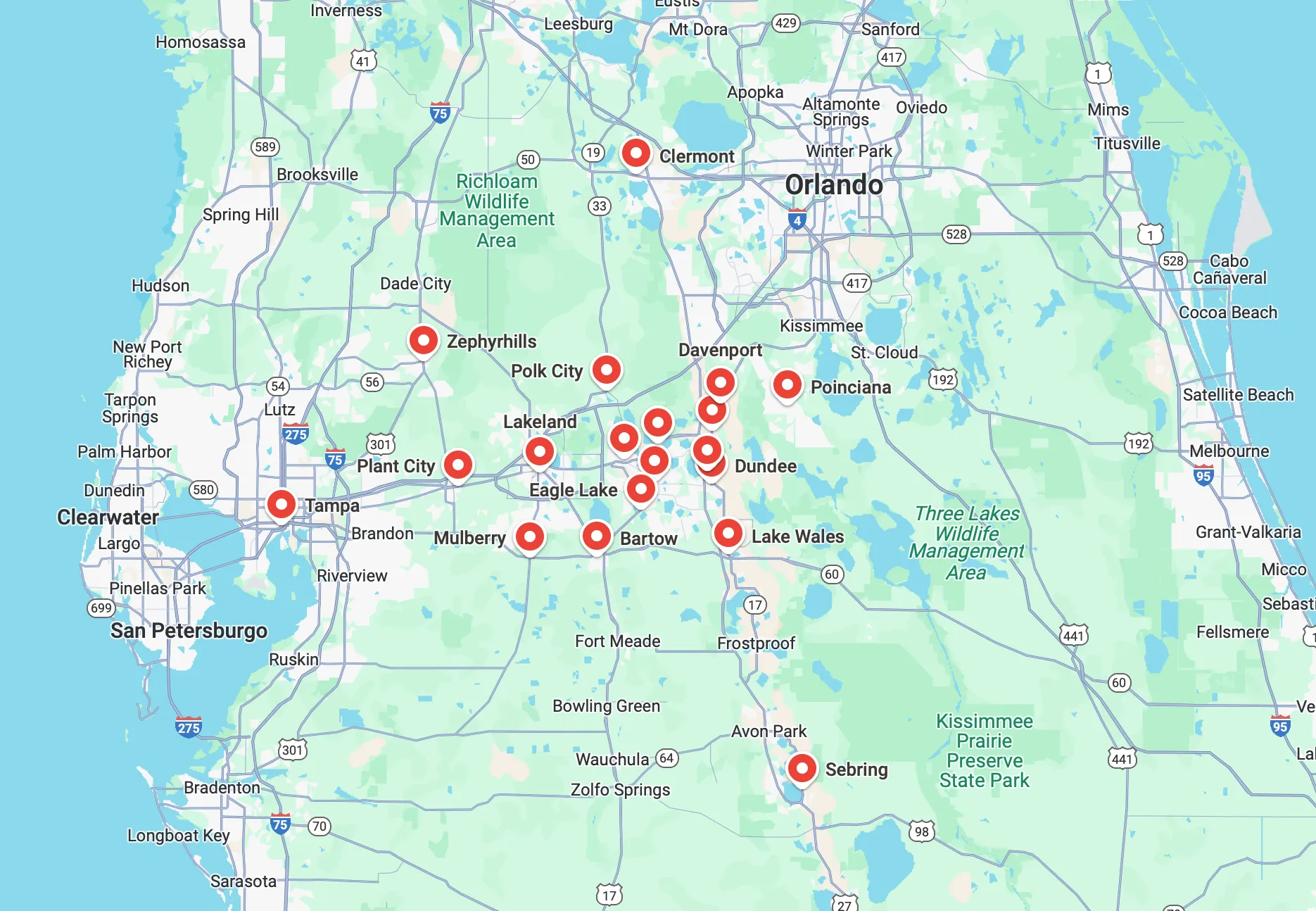
Customer Testimonials

Service Areas