HVAC Installation in Lakeland, FL
HVAC Installation in Lakeland, FL
An efficient, properly sized HVAC system is essential for comfortable, healthy living in Lakeland, FL. With long, hot summers, high humidity and frequent afternoon storms, homeowners and business owners need systems that control temperature and moisture reliably while minimizing energy costs.
.webp)
Why correct installation matters in Lakeland, FL
Lakeland’s climate places a premium on cooling capacity and dehumidification. An undersized system will struggle to remove humidity and run continuously, raising energy bills and increasing wear. An oversized system cools too quickly without dehumidifying, leaving interiors clammy and risking mold growth in ductwork and building cavities. Proper installation addresses:
- Comfortable indoor temperatures during long cooling seasons
- Effective humidity control to prevent mold and indoor air quality problems
- Lower operating costs through correct sizing, efficient equipment, and sealed ductwork
- Reduced risk of premature breakdowns and costly emergency repairs
Common HVAC installation needs and issues in Lakeland
- Systems with inadequate dehumidification leading to condensation, mold, and musty odors
- Old equipment with low efficiency (low SEER ratings) that increases utility costs
- Leaky or undersized ducts that reduce airflow and create hot/cold spots
- Insufficient attic insulation and duct insulation causing heat gain into ductwork
- Roof-mounted or commercial rooftop units requiring curb work, crane access, and specialized permitting
The full HVAC installation process (step-by-step)
1. Initial assessment and site visit
- Inspect the building layout, attic, mechanical room, existing equipment and ductwork.
- Identify humidity, insulation, ventilation, and accessibility issues unique to the property.
2. Load calculation and equipment sizing (Manual J)
- Perform a Manual J heat load calculation to determine the correct cooling and heating capacity for the structure.
- In Lakeland, calculations account for high external temperatures, solar gain and significant latent load (humidity).
3. Ductwork evaluation and design (Manual D)
- Inspect existing ducts for leaks, crushed runs, poor insulation, or undersized sections.
- Recommend repairs, sealing, or full replacement. Properly sized and sealed ducts ensure designed airflow and system efficiency.
- For new systems, Manual D determines duct layout, sizing and static pressure requirements.
4. Equipment selection and energy-efficiency recommendations
- Recommend systems with appropriate capacity, variable-speed blowers or inverter-driven compressors for better humidity control and efficiency.
- Encourage high-efficiency models (higher SEER/SEER2 ratings, ENERGY STAR where applicable) and features like two-stage or variable-capacity operation for improved comfort.
- Consider heat pump options for year-round efficiency in Florida’s mild winters.
5. Permitting and inspections
- Prepare and submit mechanical and building permit applications required by the City of Lakeland or Polk County.
- Arrange scheduled inspections at key milestones (pre-cover inspection for ductwork, final electrical/mechanical inspection).
- Ensure all work complies with Florida Building Code and local ordinances.
6. Pre-install preparation
- Protect floors, landscaping and interior spaces. Confirm access for equipment and any required rooftop crane or lift.
- Coordinate electrical upgrades if needed (dedicated circuits, disconnects).
7. Removal of old equipment and ductwork work
- Safely remove existing HVAC units and recover refrigerant per EPA guidelines.
- Repair or replace duct segments, upgrade insulation (recommended R-values for conditioned ducts), and seal all joints with approved mastic or foil tape.
- Install new curbs or supports for rooftop units on commercial properties.
8. Installation and system integration
- Install indoor air handler/coil and outdoor condensing unit or rooftop package unit.
- Connect refrigerant lines, condensate drains, gas lines (if applicable), and electrical components.
- Install or upgrade thermostats and zoning controls where needed.
9. Refrigerant charging, airflow testing and commissioning
- Charge refrigerant according to manufacturer specifications and test for leaks.
- Verify airflow, static pressure, temperature split, and humidity control. Balance the system to ensure even distribution.
- Calibrate controls, test safety devices, and document performance metrics.
10. Final inspection and homeowner/commercial client orientation
- Pass final municipal inspection and ensure compliance certificates are provided.
- Walk through system operation, maintenance needs, filter type and change intervals, thermostat programming and warranty registration.
Warranty, commissioning and documentation
- Commissioning verifies the system operates as designed. Expect documented performance data (airflow, refrigerant charge, temperature differentials).
- Manufacturers’ warranties typically cover parts and limited labor; compressor warranties and extended coverage vary by brand and model. Keep warranty documents, proof of installation and commissioning records in a secure file.
- Proper commissioning and documented maintenance visits are often conditions for full warranty coverage.
Typical timelines for Lakeland installations
- Standard residential split-system replacement: 1 to 3 days, depending on duct repairs and electrical upgrades.
- Systems requiring significant duct replacement, structural work, or electrical service upgrades: several days to a week.
- Commercial rooftop units or large system installs: planning plus 1–5 days on-site; crane scheduling and roof access can extend timelines.
Financing and rebate options in Lakeland
- Federal tax credits and national incentive programs may apply to high-efficiency heat pumps and other qualifying upgrades.
- Local utility programs and rebates are often available for energy-efficient HVAC systems, thermostat upgrades, or duct sealing. Lakeland customers should review municipal utility offerings and Polk County incentive programs.
- Many providers offer financing options to spread installation costs over time; documentation typically required includes equipment specifications and proof of eligibility for rebates or tax credits.
Maintenance tips after installation
- Replace or clean filters regularly and use the filter efficiency recommended during commissioning to maintain airflow and indoor air quality.
- Schedule seasonal tune-ups to verify refrigerant charge, clean coils, inspect condensate drains and ensure drain pans are clear to prevent mold growth in humid months.
- Keep outdoor units clear of debris, maintain proper clearance, and ensure attic ducts remain insulated and sealed.
Benefits of doing installation right the first time
A correctly sized, well-installed HVAC system reduces energy bills, limits humidity and mold risk, extends equipment life and improves comfort year-round. For Lakeland homes and businesses, addressing humidity and airflow during installation yields the biggest dividends in comfort and indoor air quality. Proper permitting, commissioning and documentation protect warranties and ensure compliance with local codes, giving long-term peace of mind.

Customer Testimonials

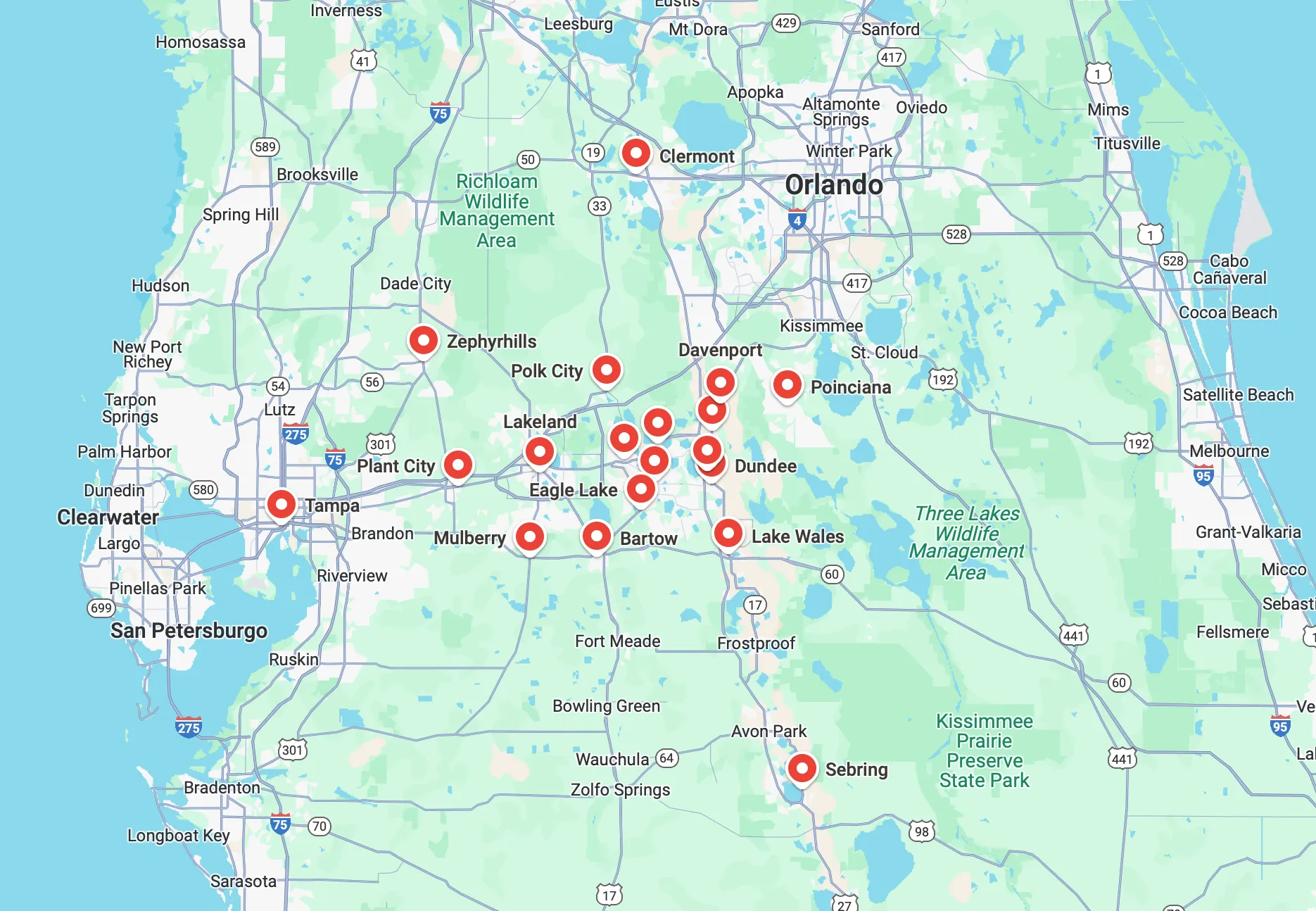
Service Areas