Heating Repair in Mulberry, FL
Heating Repair in Mulberry, FL
When your home heating stops working or runs inefficiently, it quickly becomes more than an inconvenience. In Mulberry, FL, where winters are generally mild but humidity, storms, and occasional cold snaps can stress systems, timely heating repair keeps your home safe, comfortable, and energy efficient.
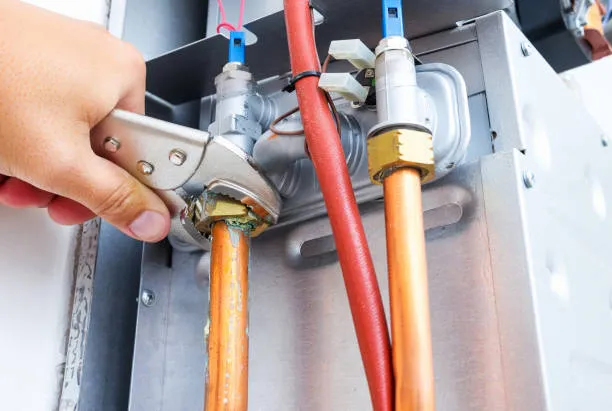
Why heating repair matters in Mulberry, FL
Mulberry’s climate means many homes rely on heat only part of the year, often using heat pumps that also serve as air conditioners. Systems that sit idle through long warm stretches can develop faults when first turned on. High humidity and frequent storms can accelerate corrosion on outdoor components, impact electrical connections, and increase load on older systems. Prompt repair prevents small problems from becoming safety hazards or causing expensive replacements.
Common heating systems we service
- Heat pumps — the most common solution for year-round comfort in central Florida because they provide both heating and cooling.
- Gas furnaces — used where extra heat is needed during cold snaps or in homes with specific heating setups.
- Boilers — less common locally but present in some older or specialty homes.
Typical problems and common fault identification
- No heat or weak heat: Could be thermostat issues, failed compressors on heat pumps, dirty filters, blocked vents, or ignition problems on furnaces.
- Short cycling: System turns on and off too frequently. Often caused by airflow restrictions, incorrect thermostat settings, or failing control boards.
- Strange noises or vibrations: Worn bearings, loose panels, failing blower motors, or refrigerant-related issues in heat pumps.
- Uneven heating between rooms: Imbalanced airflow, duct leaks, or failing zone controls.
- Frequent cycling of auxiliary heat on heat pumps: Indicates reduced efficiency or failing reversing valves; can be costly if left unaddressed.
- Gas smell or carbon monoxide concerns: Potential gas leaks, cracked heat exchangers, or ventilation problems. These are safety critical and require immediate inspection.
How diagnostics are performed
A methodical diagnostic approach isolates root causes while protecting safety:
- Visual inspection: Check outdoor unit condition, electrical panels, vents, and visible piping for corrosion, loose connections, or animal damage.
- System startup evaluation: Observe thermostat response, sequence of operations, and listen for abnormal sounds during startup.
- Electrical testing: Measure voltages, capacitors, relays, and motor draw to identify failing components.
- Airflow and duct inspection: Measure static pressure and inspect filters and ductwork for blockages or leaks.
- Fuel and combustion checks: For gas appliances, test for proper ignition, flame quality, and combustion byproducts.
- Refrigerant and pressure checks: On heat pumps, check refrigerant levels and pressures to diagnose leaks or component failures.
Diagnostics are explained in plain terms so you understand the cause, the options, and the safety implications.
Common repairs and component replacements
- Thermostat replacement or recalibration to restore proper control and efficiency.
- Blower motor repair or replacement to restore airflow.
- Capacitor and relay replacement to fix startup and electrical reliability issues.
- Heat exchanger inspection and repair on furnaces; cracked exchangers require immediate attention for safety reasons.
- Reversing valve and compressor service on heat pumps when heating performance is compromised.
- Refrigerant leak detection and repair followed by proper recharge when needed.
- Ignition system service for gas systems including pilot assemblies and electronic igniters.
- Duct sealing and balancing for persistent uneven heating.
- Safety control replacements such as limit switches, pressure switches, or CO detectors.
All repairs include final system testing and an explanation of what was done and why. Where replacement is the safer or more cost effective option, the reasons are explained clearly.
Emergency response procedures
Mulberry homeowners should know the steps emergency technicians take when heat fails during a cold snap or a heater shows signs of dangerous operation:
- Immediate safety checks: Shut down the appliance if a gas smell, smoke, or abnormal combustion is detected. Verify carbon monoxide levels and ventilate if necessary.
- Stabilize the situation: Leave essential heating or temporary safe heat solutions if available and appropriate.
- Prioritize repairs: Address safety-critical items first, such as gas leaks, cracked heat exchangers, or electrical shorts.
- Temporary measures: Provide temporary fixes to restore heat while scheduling follow up for permanent repairs or parts replacement.
Emergency crews also advise homeowners on safe interim actions, such as shutting off gas or power and clearing vents, to reduce risk until a technician arrives.
Safety inspections and compliance
Regular safety inspections protect families and property:
- Carbon monoxide testing for gas-fired systems.
- Combustion and venting checks to ensure exhaust gases are properly removed.
- Electrical safety inspection for connections, breakers, and control wiring.
- Heat exchanger and burner inspection to detect cracks or incomplete combustion.
- System efficiency and leak checks to prevent refrigerant loss and reduce energy waste.
Inspections identify latent issues before they become emergencies and help systems run more efficiently year round.
What affects repair timelines and decisions
Repair outcomes depend on system age, part availability, accessibility, and whether the problem is isolated or systemic. Many repairs can be completed in one visit when parts are on hand. For older or obsolete systems, technicians may recommend component-level solutions that extend service life or explain the implications of replacement versus ongoing repairs.
Preventive maintenance and long term benefits
Consistent maintenance reduces emergency calls and extends system life. Regular service includes filter changes, coil cleaning, electrical checks, refrigerant inspections, and performance calibration. In Mulberry, addressing corrosion from humidity, keeping outdoor units clear after storms, and checking electrical components after power surges help avoid common local failures.
Keeping your heating system maintained not only improves reliability and comfort but also enhances safety and can lower utility costs by maintaining efficient operation.

Customer Testimonials

Service Areas