Furnace Tune-Up in Auburndale, FL
Heating Furnace Tune-Up in Auburndale, FL
A regular heating furnace tune-up in Auburndale, FL protects your home, improves system efficiency, and reduces the chance of cold-weather breakdowns. Even though central Florida winters are milder than northern states, furnaces still run during cool spells and unpredictable cold fronts. A professional tune-up helps ensure safety-particularly for gas furnaces-keeps energy use low during occasional heating cycles, and prevents long-term wear caused by high humidity and seasonal allergens common in Polk County.
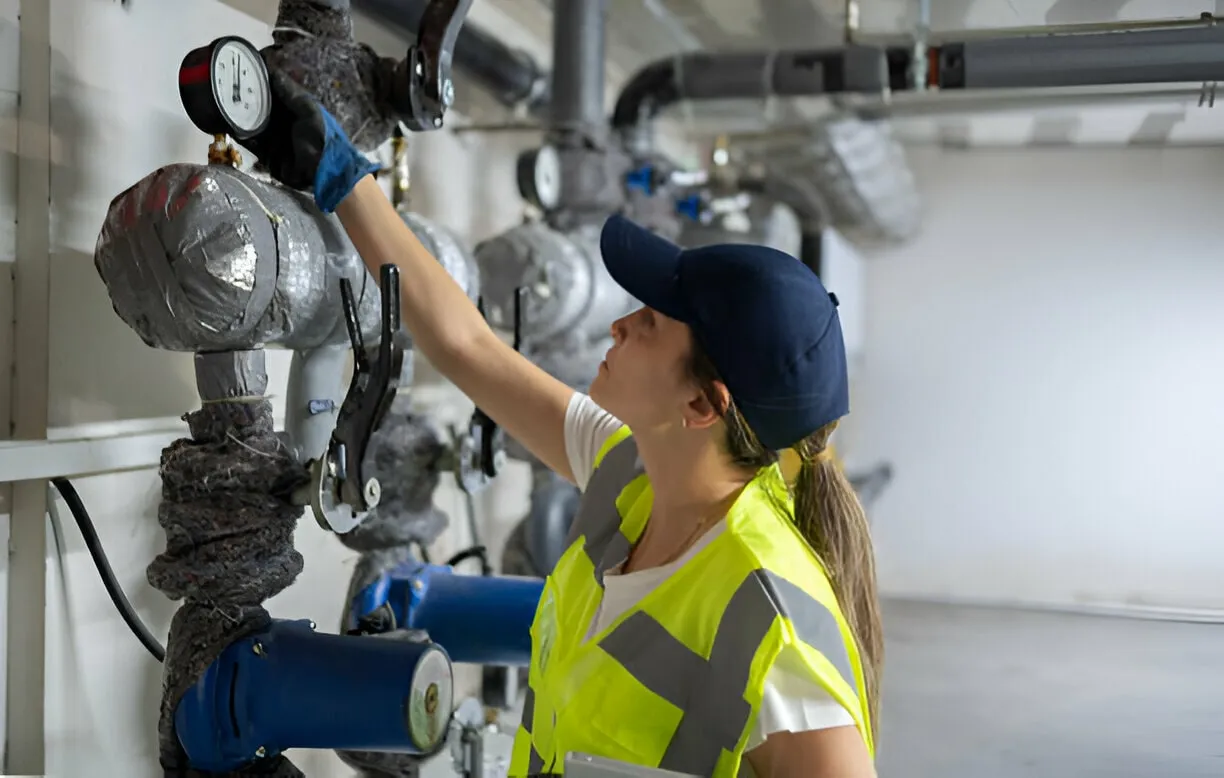
Why a furnace tune-up matters for Auburndale homes
Auburndale’s subtropical climate produces high humidity and heavy pollen seasons that affect indoor air quality and equipment longevity. Furnaces that sit idle for months can develop sticky motors, clogged filters, or corroded components. Regular tune-ups address these local challenges by ensuring:
- Safe combustion and low carbon monoxide risk
- Reliable starts during the few cold spells each year
- Reduced energy waste from inefficient operation
- Better indoor air quality during humid, pollen-heavy seasons
Common heating furnace problems in Auburndale, FL
Homeowners often wait until a system fails. Look for these signs that a tune-up or repair is needed:
- Unusual noises (rattling, screeching, banging)
- Weak or uneven airflow to rooms
- Yellow pilot light or frequent cycling on and off
- Noticeable increase in energy use during heating cycles
- Musty or dusty odors when the furnace runs
- Thermostat no longer holds set temperature
Many of these issues stem from simple, preventable causes such as clogged filters, miscalibrated thermostats, or restricted airflow due to duct leaks and humidity-related buildup.
Comprehensive furnace tune-up checklist
A proper tune-up follows a clear checklist that covers safety, efficiency, and reliability. A typical heating furnace tune-up in Auburndale, FL includes:
Combustion analysis
- Measures flame quality and combustion efficiency for gas furnaces
- Checks carbon monoxide levels and adjusts fuel/air mixture
Thermostat calibration
- Verifies setpoint accuracy and proper communication with the system
- Reprograms or recommends settings for consistent comfort and efficiency
Lubrication of moving parts
- Oiled motors, bearings, and blower components reduce friction and wear
- Prevents noisy starts after long idle periods
Airflow and duct checks
- Inspects supply and return ducts for leaks, blockages, and poor balancing
- Measures airflow to ensure adequate delivery to each room
Filter inspection and replacement
- Replaces or recommends the correct MERV-rated filter for your home
- Advises on filter frequency given local pollen and humidity
Safety control testing
- Verifies limit switches, pressure switches, and ignition systems operate properly
- Confirms safety cutoffs and emergency operations
Each task is performed using diagnostic tools and adjustments to restore manufacturer-recommended operating conditions. The combustion analysis and safety control tests are especially critical for gas furnaces to protect occupants from carbon monoxide exposure and gas leaks.
What to expect after a tune-up
After a professional tune-up you should notice tangible benefits:
- Improved efficiency: cleaner burners, adjusted controls, and proper airflow lower energy use during heating cycles
- Greater reliability: worn parts are identified and corrected before failure, reducing emergency repairs during cold snaps
- Quieter operation: lubricated motors and tightened components reduce rattles and screeches
- Better indoor comfort: calibrated thermostats and balanced ducts eliminate hot or cold spots
- Enhanced safety: verified combustion and safety controls reduce carbon monoxide and fire risk
- Longer equipment life: proactive maintenance reduces stress on components and delays costly replacements
Expect the technician to provide a short service report noting findings, adjustments, and any recommended repairs or upgrades.
Diagnostic process explained simply
Technicians follow a step-by-step approach to find both obvious and hidden problems:
- Visual inspection: checks for rust, corrosion, loose wiring, and visible signs of trouble
- Start-up and run test: observes startup sequence, ignition behavior, and runtime performance
- Instrumented checks: uses CO meters, manometers, and multimeters to measure combustion, pressure, and electrical integrity
- Airflow assessment: measures static pressure and airflow to reveal clogged ducts or restrictive filters
- Safety testing: cycles safety devices to ensure correct operation under fault conditions
These diagnostics distinguish minor tune-up needs from parts that require replacement, allowing homeowners to prioritize repairs based on safety and long-term value.
Tune-up frequency and seasonal timing
For most furnaces, an annual tune-up is recommended—ideally performed in late summer or early fall before the first winter chill. In Auburndale, where heating runs are intermittent, an annual inspection is still important because seasonal humidity can accelerate component deterioration. Consider more frequent checks if:
- The furnace is older than 10–15 years
- The system sees heavy or irregular use
- Home occupants have respiratory sensitivities that demand optimal indoor air quality
Many homeowners pair fall furnace tune-ups with spring HVAC inspections to cover both heating and cooling systems.
Package options (no pricing)
Customers commonly choose from tiered tune-up packages to match needs and budgets:
- Basic Tune-Up: Essential safety and performance checks, filter replacement, thermostat calibration
- Comprehensive Tune-Up: All basic services plus combustion analysis, full duct inspection, and lubrication of all moving parts
- Seasonal Maintenance Plan: Scheduled annual or semi-annual visits, priority scheduling for repairs, and ongoing system performance records
Packages let homeowners balance immediate needs with long-term reliability planning.
Maintenance tips for Auburndale homeowners
Small actions between professional tune-ups make a big difference:
- Replace or clean filters every 1–3 months during pollen season and humid months
- Keep vents and returns clear of furniture and debris
- Seal noticeable duct gaps and insulate ducts in unconditioned spaces
- Use a programmable thermostat to reduce unnecessary runtime
- Monitor for strange odors or sounds and schedule an inspection if they appear
Regular attention plus a professional heating furnace tune-up in Auburndale, FL preserves system reliability, improves comfort, and protects household safety.

Customer Testimonials

Service Areas