Furnace Service in Polk City, FL
Heating Furnace Service in Polk City, FL
Heating may not be the highest utility concern in Polk City, FL, but when cool nights arrive or an unexpected cold snap hits, a reliable furnace matters.
.webp)
Why furnace service matters in Polk City, FL
Polk City experiences a humid subtropical climate with mild winters and occasional cold nights. That means furnaces are used intermittently but still face wear from seasonal cycling, high humidity, and the region's airborne pollen and dust. Common local factors that increase service need include:
- Intermittent use that can hide developing problems until the first cold night
- Corrosion or residue build-up in older systems due to humidity
- Power outages from tropical storms affecting system controls and safeties
- Mixed HVAC systems (heat pumps with auxiliary electric or gas furnaces) that require coordinated service
Regular, professional furnace service prevents unexpected breakdowns, improves comfort during cool periods, and helps systems run safely and efficiently.
Common furnace issues in Polk City homes
Homeowners in Polk City typically encounter a handful of recurring problems. Recognizing them helps set accurate expectations for diagnostics and repairs.
- Weak or uneven heat output, often due to clogged filters, failing blowers, or duct leaks
- Short cycling, frequently caused by thermostat faults, airflow restriction, or improper sizing
- Ignition or pilot light problems in gas furnaces, including failed igniters or blocked burners
- Electrical control failures from age, corrosion, or storm-related power surges
- Strange noises such as rattling, squealing, or banging indicating loose components or motor issues
- Safety shutoffs triggered by carbon monoxide detection, flame rollout, or pressure switches
Types of furnace services provided
Comprehensive service includes preventative and corrective care across the full system lifecycle.
- Diagnostics
- Full-system inspection of burners, heat exchangers, ignition systems, blowers, filters, thermostats, and safety controls
- Measurement of combustion efficiency and ventilation where applicable
- Electrical checks and control board diagnostics
- Ductwork assessment for leaks, insulation deficits, and airflow problems
- Repairs
- Replacement of failed components such as igniters, flame sensors, limit switches, and blower motors
- Control board and thermostat repairs or recalibration
- Minor duct repairs and sealing to restore airflow balance
- Addressing carbon monoxide risks and safety interlocks
- Maintenance and tune-ups
- Cleaning burners, pilot assemblies, and combustion chambers
- Lubricating motors and bearings where required
- Replacing or recommending appropriate air filters and assessing indoor air quality impacts
- Verifying correct airflow, flame quality, and system operating temperatures
- Installations and replacements
- System evaluation to determine right-sizing based on home layout, insulation, and Polk City climate patterns
- Coordinated replacement of furnace, or integration with heat pump systems
- Proper venting and combustion air planning for gas systems to meet local code and safety standards
- Emergency response
- After-hours diagnostics for systems that fail during cold nights or after storms
- Safe shutdown and temporary measures to protect the home while a permanent repair is scheduled
- Prioritizing safety if carbon monoxide or gas leaks are suspected
What to expect from the diagnostic and repair process
Technicians follow a methodical process to identify and resolve furnace issues while keeping you informed in clear, non-technical language.
- Initial assessment: Confirm the reported symptoms and run basic system checks.
- Detailed diagnostics: Inspect combustion, airflow, electrical systems, and safety controls; test components using industry-standard tools.
- Findings and options: Present the issue, the likely cause, and repair or replacement options with clear explanations of benefits and tradeoffs.
- Repair or service work: Execute agreed-upon repairs or maintenance using replacement parts that meet manufacturer specifications.
- Verification and documentation: Re-test the system for safe and efficient operation and provide a written summary of work performed and recommendations for future care.
Technician credentials and safety protocols
Safe, reliable furnace service depends on qualified technicians and strong safety practices. Expect technicians who:
- Hold required state and local licenses for HVAC and gas work and carry liability insurance
- Possess industry certifications such as NATE or equivalent training credentials
- Complete ongoing manufacturer and code training to stay current with modern systems
- Undergo background checks and standard employment screenings
- Follow strict safety protocols: verifying gas tightness, testing for carbon monoxide, using personal protective equipment, and adhering to local permitting and inspection requirements when work affects gas or combustion venting
Technicians should also document testing and safety checks, explain any detected hazards, and make clear recommendations to bring a system into safe operation before leaving the site.
Service guarantees and workmanship assurances
Reputable furnace service programs in Polk City typically include assurances that protect homeowners and reflect professionalism:
- Workmanship warranty on labor for a specified period
- Installation and parts warranties that align with manufacturer terms
- Transparent estimates and documented scopes of work so homeowners know what was inspected and repaired
- Commitment to code-compliant repairs and proper permitting when required
- Clear explanations of any limitations or follow-up needs to maintain performance
These guarantees are intended to provide confidence that the furnace will operate safely and as intended after service.
Scheduling and typical timeline for Polk City homes
Homeowners usually schedule service through standard channels and experience predictable timelines:
- Routine maintenance and tune-ups are often scheduled during shoulder seasons before the cooler months
- Diagnostic visits typically resolve most issues in a single visit; parts replacements may require a scheduled follow-up if special parts are needed
- Emergency calls after storms or sudden failures follow triaged response protocols, with technicians prioritizing safety and temporary measures when immediate repair is not feasible
Maintenance tips to extend furnace life
Simple homeowner steps reduce the need for repairs and keep systems efficient:
- Replace or clean filters regularly during the heating season
- Keep returns and vents unblocked by furniture or curtains
- Maintain clear exterior access to intake and venting components
- Schedule annual professional inspections and tune-ups, timed before expected seasonal use
- Address odd noises or odors promptly rather than waiting for full failure

Customer Testimonials

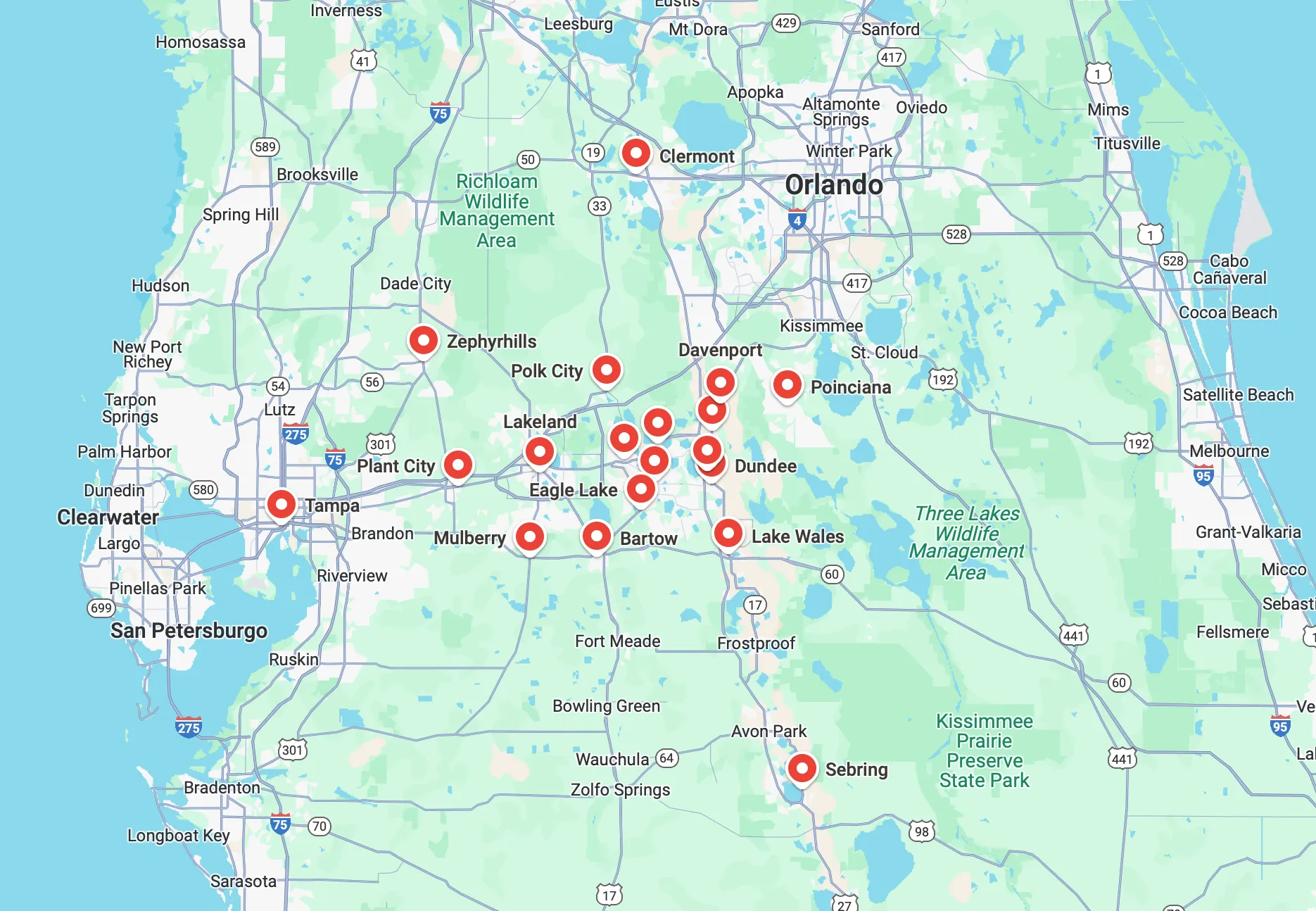
Service Areas