Furnace Replacement in Mulberry, FL
Heating Furnace Replacement in Mulberry, FL
Replacing a heating furnace is a major home investment that should improve comfort, lower operating costs, and meet safety standards. In Mulberry, FL, where winters are mild but humidity and occasional cold snaps still affect comfort, a properly sized, high-efficiency furnace or heat-source solution delivers reliable warmth while helping control energy use and indoor humidity.
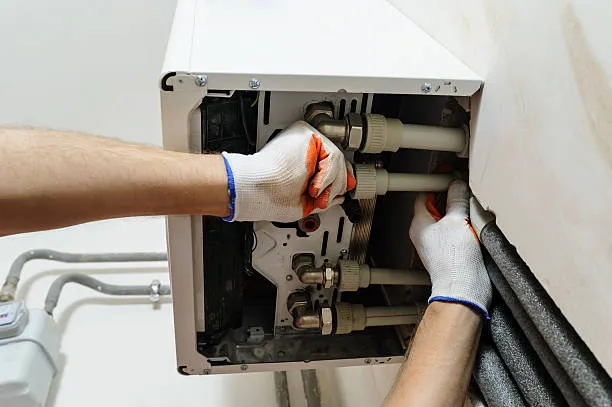
Why consider furnace replacement in Mulberry, FL
Homes in Mulberry typically see limited heating hours compared with northern climates, but older furnaces often cost more to run and can perform poorly during cool spells. Common reasons homeowners replace furnaces here include:
- Repeated breakdowns or costly repairs
- Rising heating bills despite mild winters
- Rusted cabinets or visibly deteriorated components
- Cracked heat exchanger (a safety concern because of carbon monoxide risk)
- Obsolete models with no available replacement parts
- Desire for improved comfort, quieter operation, and better humidity control
Because humidity and indoor air quality matter in Polk County’s climate, many homeowners also compare high-efficiency furnaces with heat pump options that provide year-round conditioning.
Initial system evaluation and diagnostics
A thorough evaluation is the first step. Expect technicians to:
- Inspect the existing furnace, flue or venting, gas or electrical connections, and thermostat
- Check ductwork condition, insulation, and for air leaks that affect system performance
- Test airflow, blower operation, and combustion (for gas units)
- Assess safety concerns such as corrosion, rust, or heat exchanger integrity
- Review past service history and estimate remaining useful life
This evaluation identifies whether a repair or full replacement is the most cost-effective, safe option for your Mulberry home.
Load calculations and right-sizing
Right-sizing is critical. Oversized or undersized equipment causes short cycling, poor humidity control, and higher costs. The replacement process uses:
- Manual J load calculations to determine exact heating requirements based on home size, insulation, orientation, windows, and local climate factors in Mulberry
- Manual D for duct design when ductwork changes are needed
- Consideration of local factors like mild winters and the need to balance heating capacity with dehumidification performance
The result is a properly sized system that delivers steady, efficient heat without unnecessary wear.
Comparing high-efficiency models and alternatives
High-efficiency furnaces are measured by AFUE (Annual Fuel Utilization Efficiency). Options and features to consider:
- High-AFUE gas furnaces (condensing models) for best fuel efficiency
- Two-stage or modulating burners and variable-speed blowers for improved comfort and quieter operation
- Electronic ignition and sealed combustion for safety and performance
- Electric furnaces: simple and reliable but typically higher operating costs; commonly compared with modern heat pumps
- Heat pump systems as an alternative: in Mulberry’s climate, air-source heat pumps often provide energy-efficient heating and cooling year-round and can be the most economical choice for many homes
When evaluating models, factor in upfront cost, expected energy savings, noise levels, humidity control, and whether the home’s distribution system (ducts) supports the new equipment.
Removal, disposal, and environmental compliance
Proper removal and disposal are part of a professional replacement:
- Safe disconnecting of gas, electrical, and venting systems
- Removal and recycling of metal and components per local regulations
- Safe handling of potentially hazardous materials (old oil tanks, if present) and proper documentation of disposal
- If replacing or adding refrigerant-containing equipment (heat pump), certified recovery and recycling procedures are followed according to EPA rules
Disposal is handled to meet Polk County and Florida code requirements, keeping safety and environmental compliance top of mind.
Installation timelines and what to expect
Typical timelines depend on project complexity:
- Direct furnace swap: often completed in 1 day (preparation, removal, installation, startup, and basic testing)
- Replacement requiring new venting, duct modifications, or gas-line upgrades: may take 2–3 days
- Major jobs with custom ductwork, structural access, or permit-driven scheduling: 3–5 days or longer
Installations include system startup, airflow and combustion testing, thermostat calibration, and a homeowner walkthrough explaining operation and maintenance basics.
Permit and inspection steps in Polk County
Most furnace replacements require local permits and inspections to verify safe electrical, gas, and mechanical work. Typical steps:
- Permit application filed with Polk County building department or the appropriate municipal authority
- Installation performed to local and Florida mechanical, gas, and electrical codes
- Scheduled inspections (rough and final) to confirm correct venting, gas connections, combustion air, and electrical work
- Receipt of final inspection approval and documentation kept for homeowners and any warranty requirements
Following permit and inspection procedures protects safety, resale value, and compliance with insurance requirements.
Warranty, financing, and incentives
Warranty options usually include:
- Manufacturer parts warranties (common terms vary; many high-efficiency models offer extended parts coverage)
- Heat exchanger warranties on select models (some provide long-term coverage)
- Labor or installation warranties provided by the installer for a defined period
Financing options commonly available for homeowners include installment plans, energy-efficiency loans, or promotional terms offered through lenders. Additionally, homeowners in Florida may be eligible for utility rebates or federal/state incentives when installing energy-efficient equipment; availability changes over time and can affect overall payback and selection.
Expected energy savings and performance benefits
Energy savings depend on how much more efficient your new system is versus the old one. Typical outcomes:
- Replacing a low-AFUE older furnace with a high-efficiency unit can reduce heating fuel use significantly (often 15–30% or more, depending on the starting point)
- In Mulberry’s mild climate, heating is a smaller portion of annual energy use, so total household savings will be moderate but noticeable during colder months
- Modern equipment improves temperature consistency, reduces cycling, lowers noise, and often improves humidity control, which is important for comfort and indoor air quality in the region
Long-term savings also come from reduced maintenance and fewer emergency repairs.
Maintenance and final notes
After replacement, schedule regular maintenance to preserve efficiency and warranty coverage. Routine tasks include annual system checks, filter changes, and periodic duct inspections. For Mulberry homes, pairing a new furnace with improved duct sealing and a focus on humidity control can deliver a more comfortable, cost-effective system for years to come.

Customer Testimonials

Service Areas