Furnace Repair in Poinciana, FL
Heating Furnace Repair in Poinciana, FL
When your heating furnace stops working on a chilly Poinciana night, you need clear answers fast. Heating Furnace Repair in Poinciana, FL focuses on diagnosing the problem, explaining options in plain language, and completing repairs safely and efficiently. Poinciana homes see short but sometimes abrupt cool periods, and high humidity can accelerate electrical corrosion or sensor issues. That makes timely, professional furnace service important for comfort, safety, and energy efficiency.
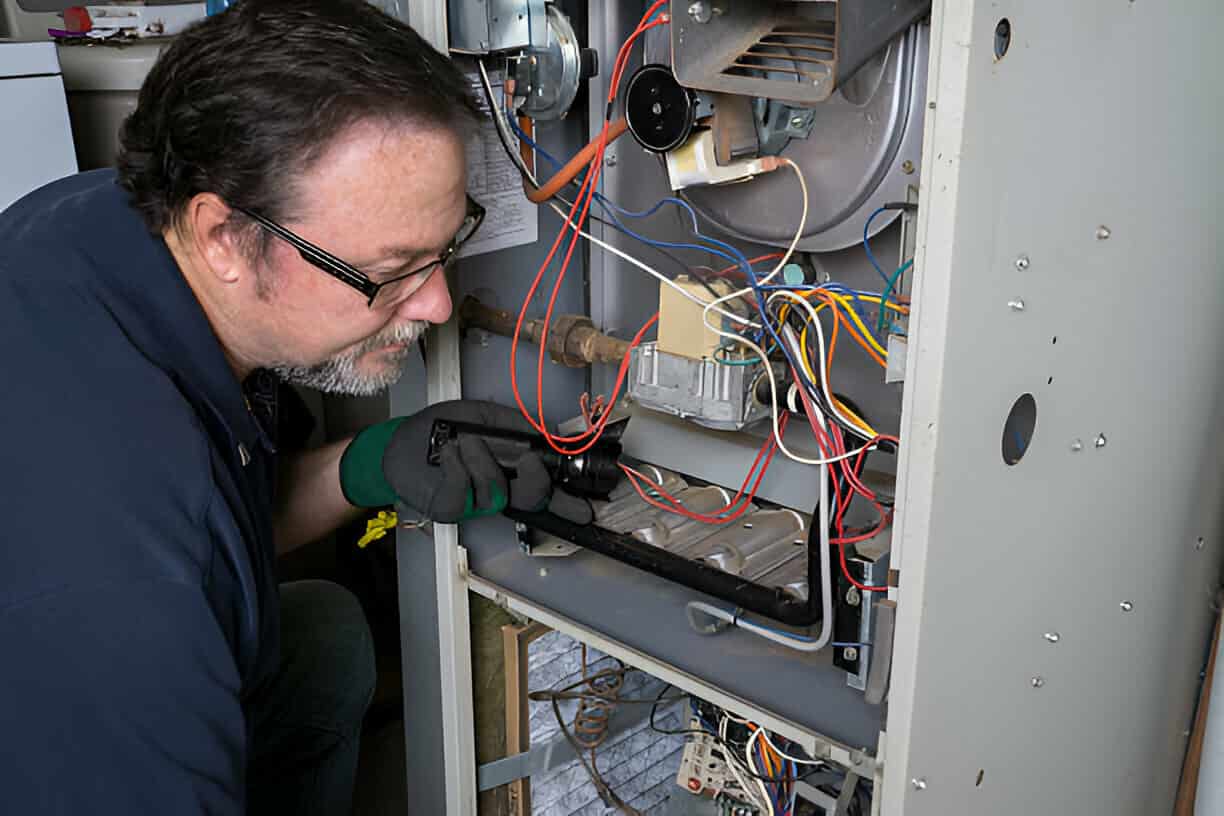
Common heating furnace issues in Poinciana
Homeowners in Poinciana most often call for the following problems. Each line explains typical causes and the signs to watch for.
- Ignition failure or intermittent ignition
Causes: faulty ignitor, clogged burners, or control board issues. Signs: furnace tries to start but shuts off, visible sparking problems, or repeated clicking without heat. - Blower motor problems and noisy operation
Causes: worn bearings, loose belts, or motor failure. Signs: weak airflow, unusual rattling or squealing, or cycles that stop early. - Pilot light or pilot assembly problems (older systems)
Causes: dirty pilot or thermocouple, gas supply issues. Signs: pilot goes out frequently or furnace will not stay lit. - Thermostat malfunctions and calibration drift
Causes: dead batteries, poor placement, wiring issues, or outdated controls. Signs: temperature doesn’t match setpoint, short cycling, or delayed start. - Airflow and filtration problems
Causes: clogged filters, blocked vents, or duct leaks. Signs: uneven heating, reduced efficiency, or higher energy bills. - Combustion and safety component failures
Causes: cracked heat exchanger, bad gas valve, or faulty safety switches. Signs: unusual odors, soot, yellow burners, or CO alarm activation. - Control board and electrical faults
Causes: power surges, moisture intrusion, or age-related failure. Signs: no response, blinking error codes, or intermittent operation.
Diagnostic process: what to expect
A structured diagnostic keeps repairs accurate and avoids unnecessary parts replacement. Typical diagnostic steps include:
- Visual and safety inspection of the furnace, venting, and surrounding area.
- Check filters, blower wheel, and airflow to rule out simple causes.
- Test ignition components, burners, and gas pressure where applicable.
- Verify thermostat operation, wiring, and settings.
- Electrical testing of relays, capacitors, transformers, and control boards.
- Combustion analysis and carbon monoxide check if combustion appliances are involved.
- Clear documentation of findings and a written repair recommendation.
Diagnostics for most residential furnaces generally take from about 30 minutes to 90 minutes depending on accessibility and symptoms. More complex issues that require disassembly or combustion testing can take longer.
Typical repair procedures and parts replacement
Common fixes and the general time needed to complete them:
- Filter replacement and airflow cleaning - Often 15 to 30 minutes.
- Ignitor or flame sensor replacement - Typically 30 minutes to 2 hours.
- Thermostat replacement or recalibration - 30 minutes to 1 hour.
- Blower motor repair or replacement - 1 to 3 hours depending on model and access.
- Control board replacement or electrical repairs - 1 to 3 hours depending on diagnostics.
- Heat exchanger repair or furnace replacement - Major jobs that may take several hours and possibly require equipment replacement for safety reasons.
Repair choice balances safety, long-term operating cost, and system age. In Poinciana, where heating use is seasonal, technicians often weigh remaining equipment life and energy efficiency when recommending repairs versus replacement.
Emergency response and homeowner safety
Even in a typically warm climate like Poinciana, a sudden cold spell or overnight failure can create urgent need. Emergency service options commonly include after-hours diagnostics and temporary safety measures. Homeowner safety steps to take immediately:
- If you smell gas, leave the home and call the gas company from a safe location. Do not operate electrical switches.
- If a carbon monoxide alarm sounds, evacuate and call emergency services.
- Turn off the gas supply and electrical power to the furnace if you suspect a serious malfunction and it is safe to do so.
- Keep vents, returns, and combustion air supplies clear of obstructions.
Emergency responses prioritize safety checks, CO monitoring, and recommending temporary fixes until full repairs can be completed.
Warranties and parts coverage
Understanding warranty types helps set expectations after a repair:
- Manufacturer warranties typically cover specific parts for defined periods. These warranties vary by component and model.
- Installer or labor warranties cover work performed and vary in length and terms depending on provider.
- What is commonly not covered includes preexisting wear, improper maintenance, and damage from external causes like corrosion due to humidity or animal intrusion in ducts.
Keep model numbers, purchase documentation, and service records. After a repair, technicians usually provide details on applicable warranties and what documentation to retain for future claims.
How scheduling and the visit typically work
While scheduling formats vary by provider, a typical service visit follows a consistent flow:
- You will be asked for basic information: furnace make and model (if known), symptoms, and when the problem began.
- Appointments often include an arrival window and an on-site diagnostic. Plan to have an adult present and to provide access to the unit and thermostat.
- The technician performs the diagnostic, explains findings in plain terms, and presents repair options and expected timeframes for each option. Authorization is requested before any parts are replaced.
- For emergency visits, temporary fixes may be applied and a plan established for full repair during business hours.
Bring system documentation if available and note any recent service or changes that could be relevant.
Why timely furnace repair matters in Poinciana
Even though winters in Poinciana are mild compared to northern climates, prompt furnace repair matters for several reasons:
- Prevents small problems from becoming major safety issues, such as CO leaks or electrical failures.
- Restores comfort quickly during unexpected cold snaps.
- Improves system efficiency, lowering energy use during heating cycles and reducing stress on components.
- Extends the useful life of the furnace when repairs and maintenance are performed regularly.
Regular seasonal inspections, timely filter changes, and attention to thermostat behavior will reduce emergency repairs and keep your system running reliably when you need it.
Maintenance tip summary:
- Change or check filters monthly during use.
- Keep vents and returns clear.
- Schedule annual inspections before the heating season.
- Monitor carbon monoxide and smoke alarms regularly.

Customer Testimonials

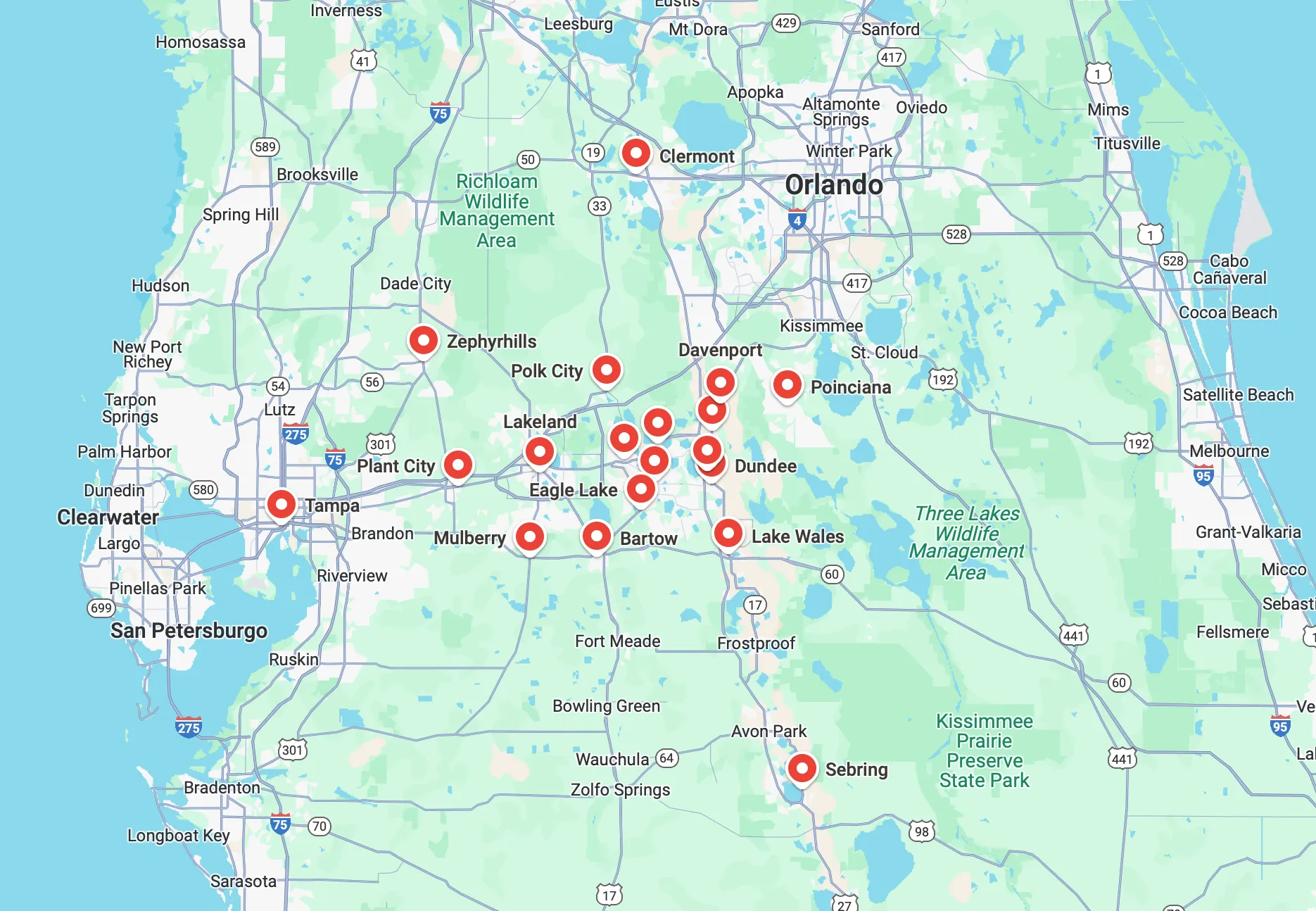
Service Areas