Furnace Maintenance in Poinciana, FL
Heating Furnace Maintenance in Poinciana, FL
Keeping your heating furnace maintained is about more than comfort during Poinciana cool spells. Regular furnace maintenance protects your home and family, lowers energy costs, and prevents unexpected breakdowns when you need heat most. In Poinciana, FL, where homes face high humidity, heavy pollen, and warm-year weather with short cool seasons, a focused maintenance plan ensures intermittent furnace use does not allow small problems to become dangerous or expensive.
-min%2520(1).webp)
Why furnace maintenance matters in Poinciana homes
- Poinciana weather produces long stretches of humidity and dust, which load filters and corrode components faster than in drier regions.
- Furnaces that run only a few weeks each year can develop ignition and combustion issues from dust, nests, or stalled motors.
- Heat exchanger cracks and safety control failures are safety risks that regular inspection detects before they become carbon monoxide or fire hazards.
- Seasonal tune-ups keep systems efficient, extending service life and protecting home comfort during the brief cooler months.
Common furnace issues in Poinciana, FL
- Dirty or clogged air filters causing reduced airflow, uneven heating, and higher energy use.
- Burner or ignition failures after long idle periods, including intermittent igniters or delayed ignition.
- Rust or corrosion on flue components from high humidity and occasional coastal moisture.
- Blower motor wear, noisy bearings, or debris-impacted fan blades.
- Cracked or corroded heat exchangers that create safety hazards.
- Thermostat calibration drift causing cycles or temperature swings.
- Blocked vents or rodent and insect nests in intake/vent openings after off-season inactivity.
Seasonal inspection checklist (what we inspect)
A thorough seasonal inspection addresses common trouble spots and confirms safe, efficient operation. Key items include:
- Filters: verify condition, replace or recommend proper MERV rating based on home needs.
- Burners and ignition system: inspect flame pattern, clean burners, test igniter or pilot for reliable startup.
- Heat exchanger: perform visual inspection for cracks or corrosion and test for signs of combustion leakage.
- Safety controls: test limit switches, flame sensors, pressure switches, and other interlocks.
- Combustion analysis: check gas pressure and combustion efficiency when applicable to ensure safe, clean burning.
- Blower and motor assembly: clean blower wheel, inspect motor and bearings, check belt tension if applicable.
- Electrical: tighten terminals, inspect capacitors and contactors for wear.
- Thermostat: confirm calibration and communication with the furnace.
- Venting and flue: clear obstructions, check seals and vent integrity to prevent backdrafting.
- Condensate and drain lines (if applicable): clear blockages and confirm proper drainage.
- Ductwork and registers: inspect for closed or blocked vents and recommend sealing where needed.
Cleaning and tune procedures
A proper tune-up combines cleaning with adjustments to restore safe, efficient operation:
- Replace or clean air filters and recommend a maintenance schedule tailored to your home (pets, pollen, and occupancy affect frequency).
- Vacuum and brush burners and flame areas to restore proper combustion and consistent flame color.
- Clean blower compartment and wheel to restore airflow and reduce motor strain.
- Lubricate bearings and moving parts where required to reduce noise and wear.
- Tighten electrical connections and test capacitors and relays for reliable starts.
- Adjust gas valve settings and verify combustion using manufacturer specs to optimize efficiency and safety.
- Calibrate thermostat and verify control sequences so the system cycles correctly.
- Inspect and clear the furnace cabinet and surrounding area to ensure proper combustion air and safe operation.
How maintenance improves efficiency, longevity, and safety
- Efficiency: Clean burners, a well-tuned combustion process, and unrestricted airflow reduce energy waste and keep operating costs down during heating events.
- Longevity: Regular cleaning, lubrication, and early detection of wear reduce stress on motors and components, extending the furnace life.
- Safety: Early identification of heat exchanger issues, faulty safety controls, and venting problems significantly reduces carbon monoxide and fire risks.
- Reliability: Seasonal checks catch small failures before they become emergency repairs during the first cold night of the year.
Maintenance agreement options for Poinciana customers
Maintenance agreements typically provide structured coverage and predictable care across seasons. Typical options include:
- Single annual tune-up: one comprehensive inspection and cleaning before the heating season.
- Biannual plan: two visits per year (pre-winter inspection and a spring check) to protect systems that are used intermittently.
- Priority maintenance membership: scheduled seasonal visits plus priority response windows during peak demand, documented service history, and reminders for filter changes.
- Customized plans: filter delivery and replacement schedules, discounted diagnostic rates, and parts discounts for repairs identified during inspections.
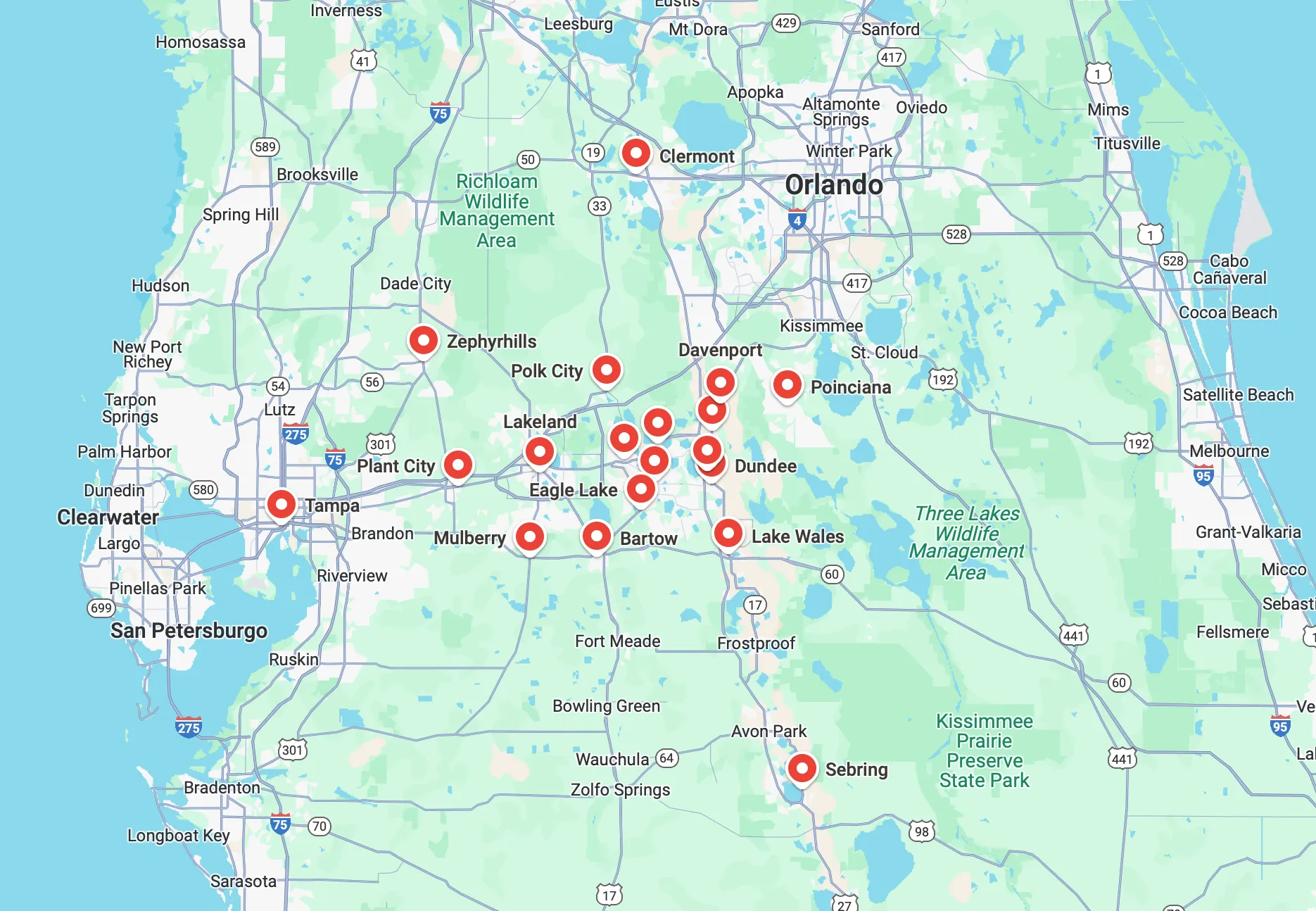
Each option can be tailored to Poinciana conditions such as higher pollen loads, presence of pets, salt or humidity concerns, and the homeowner preference for frequency of checks.
What to expect when scheduling a maintenance visit
- Timing: best scheduling window for Poinciana is early fall (September through November) before sustained low temperatures arrive. A spring visit helps identify off-season issues and prepare the system for summer inactivity.
- Visit length: a full inspection and tune typically take about 45 to 90 minutes depending on system condition and complexity.
- Homeowner prep: keep the furnace area accessible, clear storage away from the unit, and note any symptoms such as unusual noises, uneven heating, or excessive cycling.
- Documentation: a good maintenance visit will include a written checklist of items inspected, any findings, and recommended next steps or repairs.
Keeping records of maintenance in Poinciana is especially useful because local humidity and pollen can accelerate wear; a documented service history helps track recurring issues and optimize preventive measures.

Customer Testimonials

Service Areas