Furnace Maintenance in Bartow, FL
Heating Furnace Maintenance in Bartow, FL
Keeping your heating furnace well maintained protects your home, improves safety, and lowers long-term operating costs. Even in Bartow, FL, where winters are milder, furnaces still require seasonal attention. Many homes here see long idle periods followed by sudden use during cold snaps-conditions that reveal neglected problems and increase the risk of breakdowns.
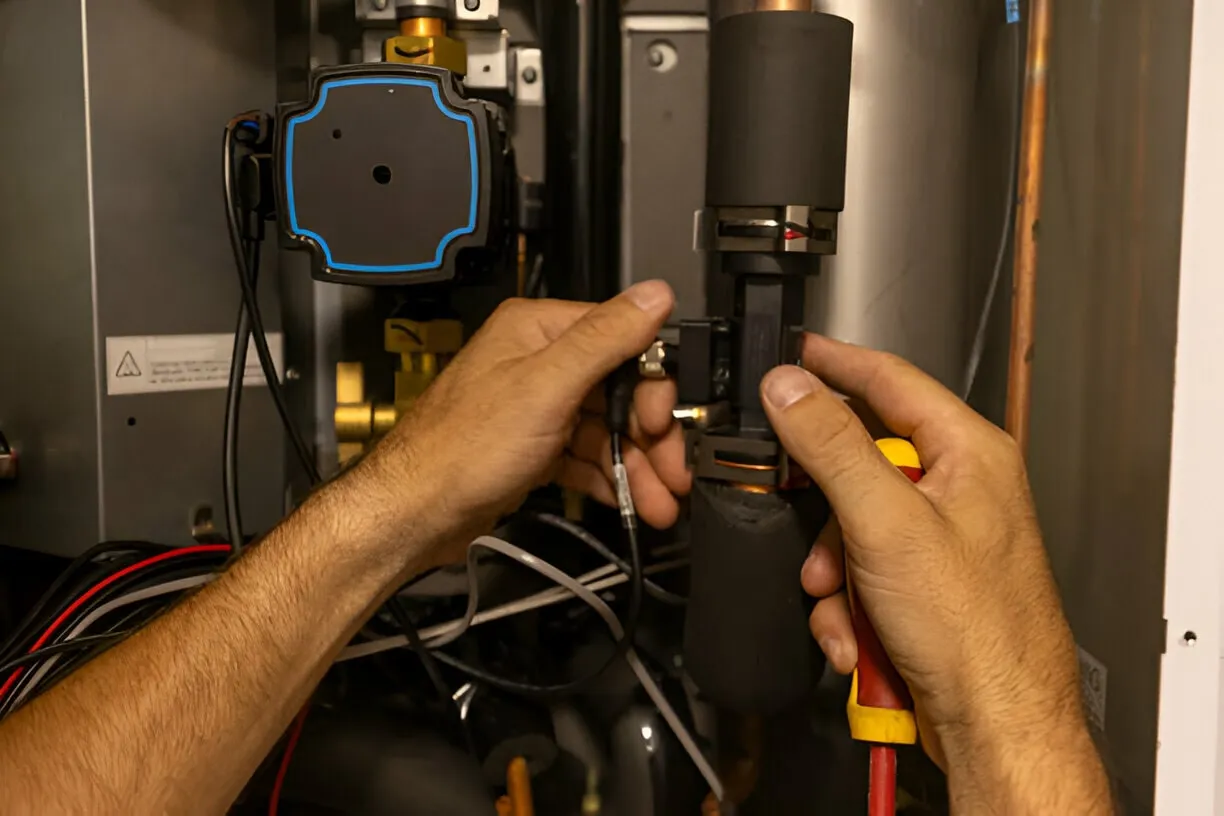
Why furnace maintenance matters in Bartow, FL
- Mild winters mean furnaces are used intermittently. Systems that sit unused for months can develop dust buildup, sticky controls, or ignition issues when first turned on.
- High humidity and airborne pollen common in Central Florida accelerate filter clogging and can promote corrosion on exposed components.
- Power fluctuations from frequent summer storms can affect controls and electronic ignition systems, making pre-season checks valuable.
- Gas-fired furnaces present carbon monoxide risk if burners, vents, or the heat exchanger are compromised. Annual safety checks are essential even in areas with limited heating demand.
Common heating furnace maintenance issues in Bartow, FL
- Clogged or low-quality filters restricting airflow and forcing the blower to work harder.
- Dirty burners and ignition components causing delayed ignition, soot, or inefficient combustion.
- Worn blower motors, belts, or bearings leading to reduced airflow, noise, and higher energy use.
- Cracked or corroded heat exchangers creating safety hazards and reduced heat transfer.
- Faulty controls or thermostat calibration errors that shorten cycles and increase wear.
- Blocked flues or venting problems from debris or animal nests after long idle periods.
Inspection checklist: what a thorough maintenance visit includes
A comprehensive Heating Furnace Maintenance in Bartow, FL typically covers this checklist:
- Filter inspection and replacement recommendation based on filter type and home conditions.
- Visual and operational inspection of burners and ignition system; cleaning as needed.
- Heat exchanger inspection for cracks, soot, or corrosion; flame pattern check for proper combustion.
- Combustion and carbon monoxide safety checks to confirm ventilation and safe operation.
- Inspection of flue, venting paths, and draft to ensure exhaust gases are properly removed.
- Blower assembly inspection: motor, wheel, belts, and lubrication points.
- Electrical and control check: wiring, relays, thermostats, and safety switches.
- Gas line and connection inspection for leaks or signs of deterioration (where applicable).
- Motor amperage and airflow verification to detect performance declines.
- Condensate and drain checks (for applicable systems) to prevent clogging and overflow.
- System performance test and tune-up to optimize efficiency and start-up reliability.
Filter replacement schedules that work in Central Florida
- Standard 1-inch disposable filters: inspect every 30 days during high pollen or heavy use; replace every 1-3 months.
- Pleated higher MERV filters: inspect every 2 months; replace every 3-6 months depending on household pets, allergies, and dust.
- Homes with occupants who have allergies, pets, or smokers should use higher-capacity filters and inspect more frequently. Proper filter selection and a regular replacement schedule improve indoor air quality, reduce strain on the blower, and help the system reach expected life spans.
Lubrication, adjustments, and tune-up details
- Lubricate bearings and moving parts where applicable to prevent premature wear and noisy operation.
- Tighten electrical connections and adjust belts or pulleys to restore proper blower function.
- Clean burners and combustion chambers to restore correct fuel-to-air ratio and reduce soot accumulation.
- Calibrate thermostats and verify correct cycling to prevent short-cycling, which increases wear and energy use.
- Test safety controls and interlocks to ensure the system shuts down safely if a fault appears.
Safety and carbon monoxide checks
Safety is the top priority for any gas-fired furnace. Technicians will:
- Measure combustion and perform a carbon monoxide test in and around the system.
- Inspect the heat exchanger for cracks or signs of failure that could allow combustion gases to mix with indoor air.
- Verify proper draft and venting to make sure exhaust is routed outdoors.
- Check ignition and safety shutoff systems to ensure the furnace will not run unsafely.
Performance tune-ups: efficiency and longevity gains
A performance tune-up addresses both efficiency and reliability:
- Improved efficiency: cleaning and adjustment often restore 5-15% of lost efficiency compared with an unmaintained unit.
- Longer life: removing stress on motors and controls and ensuring proper lubrication extends component life and the overall system lifespan.
- Reduced monthly energy bills: properly tuned furnaces deliver heat more evenly and run fewer, longer cycles.
- Fewer emergency repairs: routine inspection catches small issues (loose wiring, worn belts, restricted airflow) before they cause breakdowns.
Preventive maintenance plans and what they include
Homeowners in Bartow often choose annual or seasonal maintenance plans that typically include:
- One or two scheduled tune-ups per year timed for pre-season checks.
- Priority scheduling for service visits and discounted diagnostic or repair labor.
- Filter replacement reminders or included filter services.
- Documented inspection reports that track system condition over time. Plans remove guesswork and ensure your furnace is ready when weather turns cold unexpectedly. Transparent pricing structures and plan options are common; choose the level of coverage that fits how often your furnace runs and your tolerance for unexpected repairs.
How regular maintenance reduces emergency repairs
- Identifying worn parts early prevents sudden failures during a cold snap.
- Cleaning combustion components reduces ignition failures and unsafe operation.
- Monitoring motor amperage and airflow helps catch failing blowers before they stop moving air.
- Proper venting checks prevent dangerous exhaust issues that could require immediate shutdowns.
Seasonal tips for Bartow homeowners
- Schedule an annual furnace inspection in early fall so the system is ready before the first cold day.
- During long periods of non-use, run the furnace briefly once a month to keep components moving and detect issues early.
- Replace filters before high-pollen months in spring and after hurricane or heavy-storm events that may introduce debris.
- After a major storm or power surge, have a quick control and safety check to confirm the system recovered without damage.
Regular Heating Furnace Maintenance in Bartow, FL protects comfort, safety, and long-term value. For Central Florida homes that rely on intermittent heating, seasonal tune-ups and preventive maintenance plans are the most reliable way to avoid inconvenient emergencies and ensure efficient, safe operation when you need heat.

Customer Testimonials

Service Areas