Furnace Installation in Polk City, FL
Heating Furnace Installation in Polk City, FL
Installing a new heating furnace is a significant investment in home comfort, safety, and energy efficiency. In Polk City, FL, where winters are mild but occasional cold snaps occur, a properly selected and installed heating system keeps your home comfortable while avoiding the short cycling, humidity issues, and higher operating costs that come from a poorly executed installation.
.jpeg)
Typical furnace types and common installation issues in Polk City, FL
- Gas furnaces: High efficiency but require proper venting, gas line capacity, and combustion air. Natural gas availability varies by neighborhood; propane is an alternative where gas mains are not present.
- Electric furnaces: Simpler to install and safer in terms of combustion, but can be more expensive to operate depending on electricity rates.
- Heat pumps and hybrid systems: In central Florida, heat pumps are common because they both heat and cool efficiently. Some installations combine a heat pump with a gas furnace for backup heat during rare cold events.
- Common issues seen locally: improper sizing (oversized units that short cycle), inadequate duct insulation in unconditioned attics leading to condensation or losses, poor airflow from undersized returns, and incorrect vent termination or combustion air provision.
Site assessment and load calculations
A professional installation begins with a thorough site assessment and accurate load calculation:
- Manual J load calculation: Determines heating demand based on home construction, insulation, window orientation, local Polk City climate data, and occupancy. Correct sizing prevents short cycling, improves humidity control, and extends equipment life.
- Fuel source verification: Confirm natural gas availability or determine the need for propane or electric options. Verify gas line capacity and meter sizing if selecting a gas furnace.
- Location and clearance constraints: Evaluate available space for the furnace, access for service, and manufacturer-specified clearances for combustion air, venting, and maintenance access.
- Integration with existing HVAC equipment: In Polk City homes with central air conditioning or heat pumps, ensure the new furnace integrates with the existing evaporator coil, blower, duct system, and thermostat.
Ductwork and venting considerations
Duct and vent design are as important as the furnace itself:
- Duct sizing and layout (Manual D): Properly sized supply and return ducts are essential for delivering the correct airflow. Undersized ducts cause high static pressure, reduced comfort, and increased blower wear.
- Sealing and insulation: All ducts in unconditioned spaces should be sealed and insulated to prevent energy loss and condensation. Polk City humidity makes proper sealing and insulation crucial.
- Return air pathways: Ensure adequate, balanced return air to avoid pressure imbalances that draw outdoor air into the home or create hot/cold spots.
- Venting and combustion air: Gas furnaces need proper flue routing and combustion air. Verify clearances, termination locations, and draft hood or direct venting requirements per manufacturer and code.
Professional installation steps
A typical professional furnace installation follows a reliable sequence:
- Pre-install inspection and documentation: Confirm load calculations, ductwork condition, and permit requirements.
- Permitting and scheduling inspections: Submit plans and obtain necessary permits before work begins.
- Removal of old equipment and site preparation: Safely disconnect and remove the existing furnace or heat source, protect floors and living spaces.
- Equipment placement and connections: Position the furnace, connect gas lines or electrical service, attach flue or vent, and integrate with ductwork.
- Safety device installation: Install carbon monoxide detection provisions, gas shutoffs, condensate drains if applicable, and required access panels.
- System startup and balancing: Power up components, set controls, and adjust blower speeds or dampers to achieve designed airflow.
- Final inspection and sign-off: Coordinate with Polk City or Polk County inspectors for code compliance verifications.
Permits and code compliance in Polk City
Installations in Polk City must comply with the Florida Building Code and local Polk County permitting processes:
- Mechanical and gas permits: Most furnace installations require permits and inspections for mechanical work and gas piping.
- Licensed professionals: Code requires licensed HVAC and gas technicians for fuel-burning appliance installations. Proper licensing ensures adherence to combustion safety and venting rules.
- Safety and alarm requirements: Follow code requirements for carbon monoxide alarms and proper vent terminations to protect occupants.
Commissioning and testing procedures
Thorough commissioning is essential to ensure safe, efficient operation:
- Combustion analysis: For gas furnaces, measure combustion efficiency, CO levels, and draft to verify safe combustion.
- Temperature rise and airflow testing: Confirm the furnace produces the correct temperature rise across the heat exchanger and that airflow matches the design.
- Gas pressure and leak testing: Verify correct manifold and supply pressures and perform leak tests on gas connections.
- Electrical and control checks: Ensure thermostats, safeties, and control boards function properly. Test safety limits and rollout switches.
- Final airflow balancing: Adjust registers and dampers to provide even comfort throughout the home.
Post-installation support and documentation
A professional installation should include thorough handover materials:
- Operation and maintenance instruction: Clear instructions on filter replacement, thermostat programming, and seasonal operation specific to Polk City conditions.
- Maintenance schedule: Recommended annual tune-ups, filter replacement frequency, and duct inspections to preserve efficiency and warranty.
- Warranty and service documentation: Provide equipment warranty information and details about what is covered during the warranty period.
Tips to maximize efficiency and longevity
- Avoid oversizing: Right-sizing prevents short cycling and improves humidity control during Polk City’s mild winters.
- Annual tune-up: Schedule professional maintenance before the winter season to check combustion, clean burners, and verify heat exchanger integrity.
- Filter maintenance: Replace or clean filters regularly to maintain airflow and reduce blower strain.
- Seal and insulate ducts: Minimize energy loss and condensation risk in attics and crawlspaces.
- Smart thermostat and zoning: Use programmable or smart thermostats and zoning to reduce runtime and maintain comfort efficiently.
- Coordinate HVAC systems: Ensure heating and cooling systems are balanced to manage humidity and reduce wear.
Well planned and professionally executed furnace installation protects your home, enhances comfort during cooler periods in Polk City, and delivers reliable, efficient performance for years. Proper load calculations, ductwork attention, code-compliant venting, careful commissioning, and ongoing maintenance are the keys to a successful installation and long-term satisfaction.

Customer Testimonials

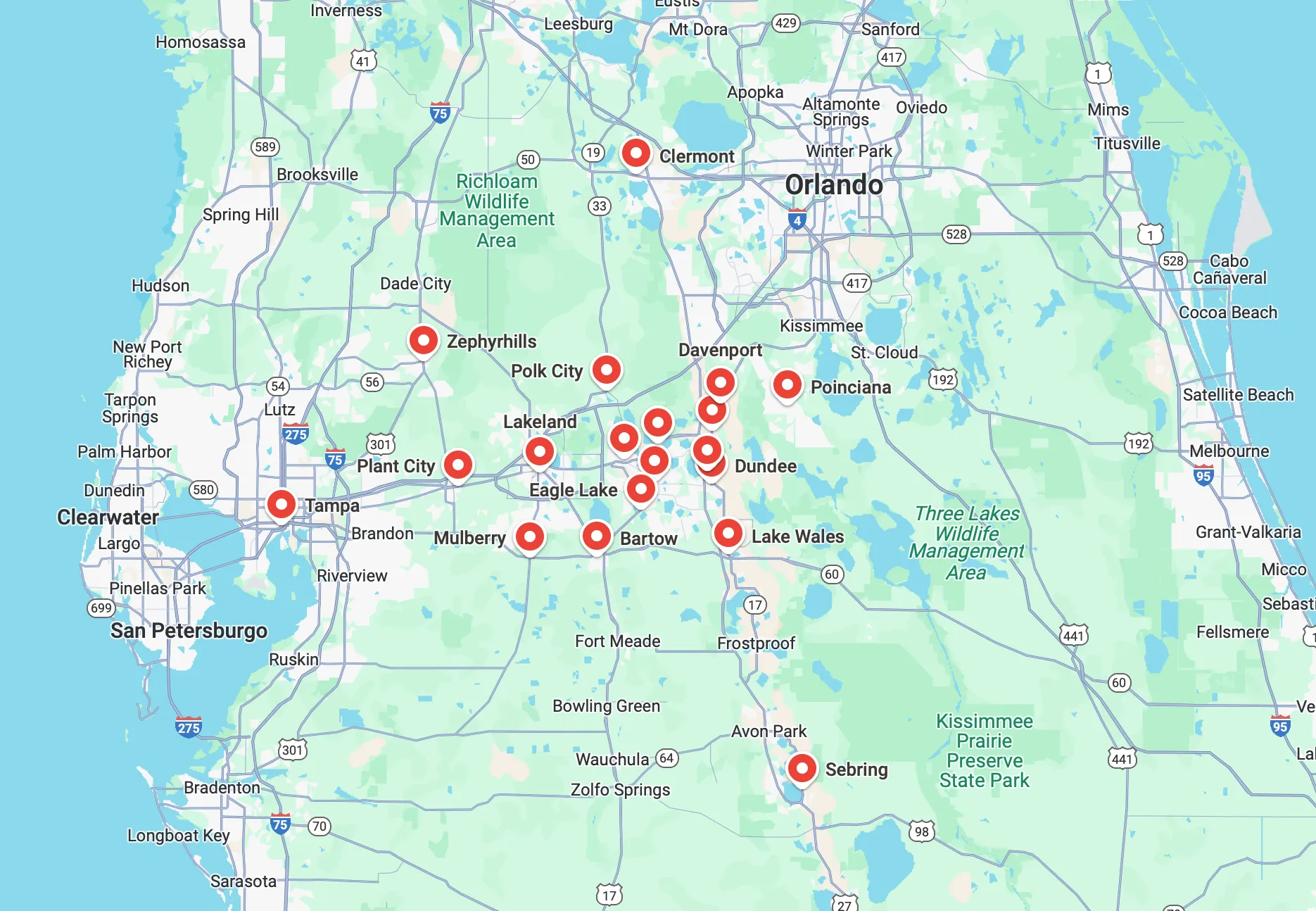
Service Areas