Heat Pump Tune Up in Clermont, FL
Heat Pump Tune Up in Clermont, FL
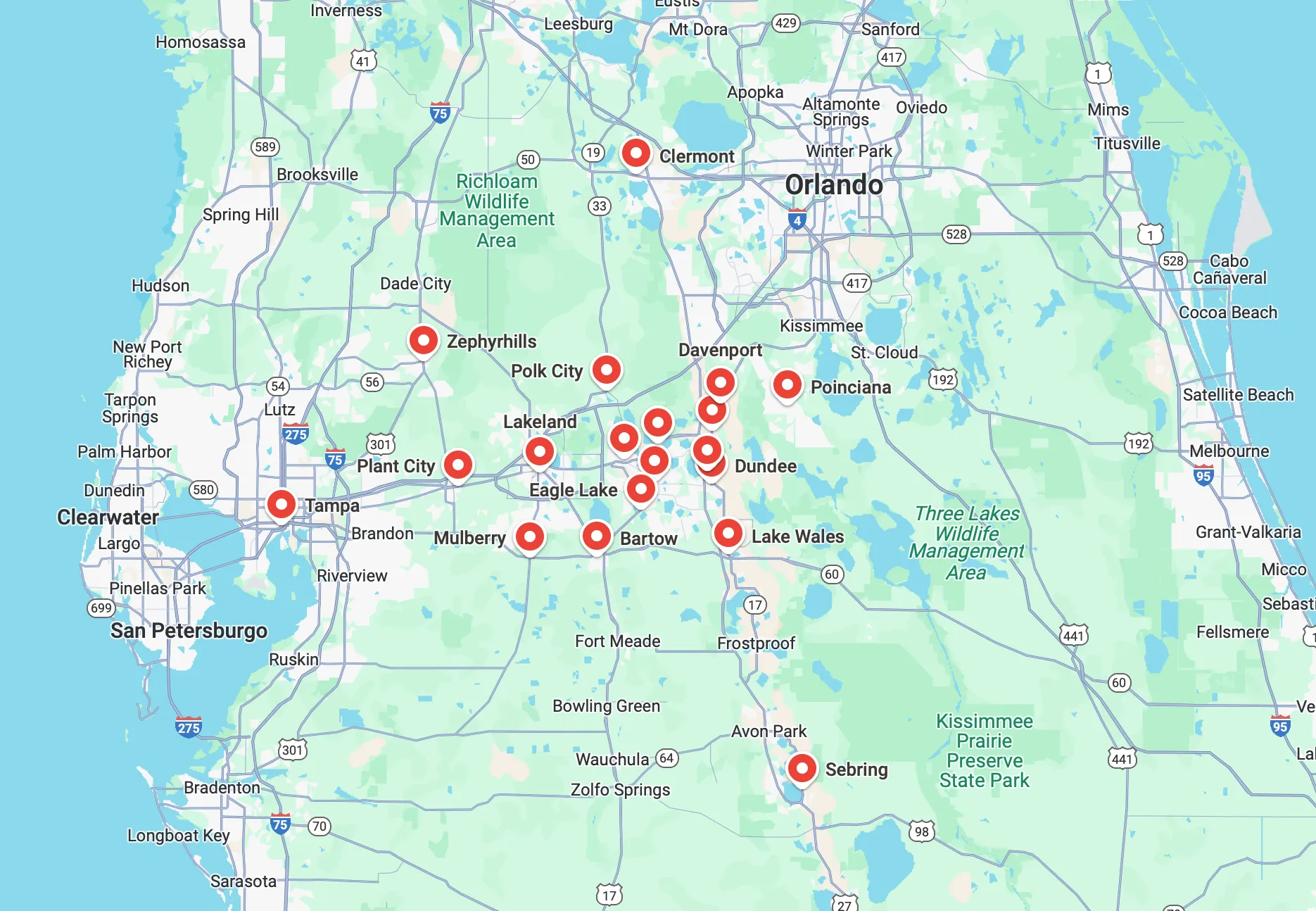
Keeping your heat pump running reliably and efficiently is especially important in Clermont, FL, where long, humid cooling seasons and frequent outdoor pollen and storms put extra strain on HVAC systems. A professional heat pump tune up in Clermont, FL focuses on restoring peak performance, preventing breakdowns, and extending equipment life.
Why a tune up matters for Clermont homes
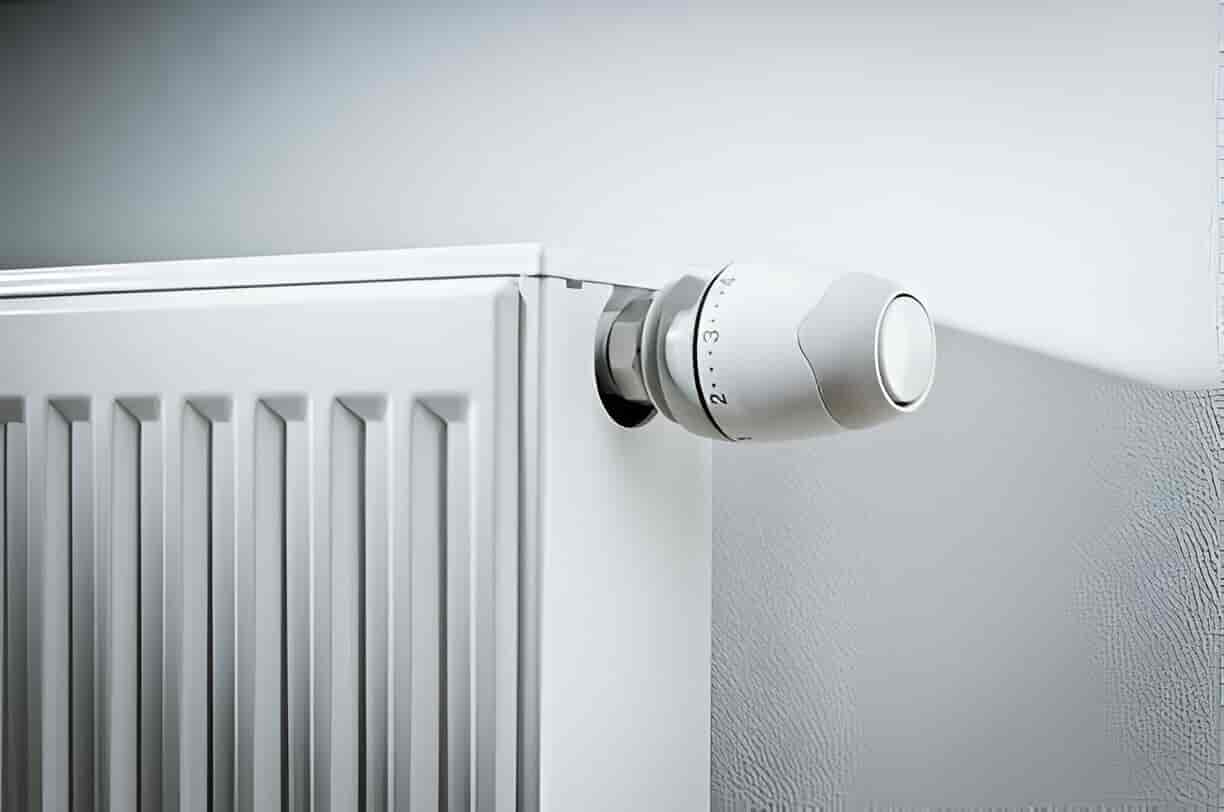
Clermont experiences extended periods of heat and high humidity, which means your heat pump operates heavily for cooling most of the year. That increases wear on moving parts, accelerates coil and condensate-line fouling from pollen and organic debris, and raises the risk of condensate backups and mold growth. Storms and occasional power surges can also stress electrical components. Regular tune ups address these location-specific stressors so your system runs efficiently, keeps comfort steady, and avoids costly mid-summer failures.
Common heat pump issues in Clermont, FL
- Reduced cooling capacity during peak humidity periods
- Clogged condensate lines and overflow from algae or debris buildup
- Dirty or corroded coils from pollen, landscaping debris, and humid conditions
- Imbalanced airflow from dirty filters or obstructed duct registers
- Electrical wear or loose connections after storm-related stress
- Improper refrigerant charge causing longer run times and higher energy use
What a full heat pump tune up includes
A professional tune up is a methodical inspection and targeted maintenance plan that covers performance, safety, and longevity. Typical components include:
- Performance testing and measurements
- Check system runtime and cycling behavior
- Measure refrigerant pressures and calculate superheat and subcooling
- Measure electrical values such as compressor and fan amp draw and line voltage
- Assess airflow and static pressure to confirm adequate cubic feet per minute (CFM)
- Thermostat calibration and controls
- Verify thermostat settings and temperature differentials
- Calibrate temperature sensors and confirm correct system staging
- Check programmable schedules and compatibility with system features
- Airflow and filter inspection
- Inspect and recommend filter replacement or cleaning
- Inspect blower wheel and motor for dirt buildup that reduces airflow
- Confirm supply and return registers are unobstructed and balanced
- Refrigerant checks
- Inspect for signs of leaks (oil residue, abnormal pressure readings)
- Verify refrigerant charge and performance metrics (no refrigerant top-ups are performed without diagnosing leaks)
- Explain implications of low or overcharge on efficiency and compressor life
- Coil and condensate line cleaning
- Clean evaporator and condenser coils to restore heat transfer efficiency
- Flush condensate drain and trap to remove algae, scale, and debris
- Inspect the condensate pan for signs of corrosion or overflow
- Lubrication and mechanical inspection
- Lubricate fan and motor bearings where applicable
- Inspect belts, pulleys, and moving parts for wear and proper tension
- Check reversing valve operation on heat pumps to ensure reliable mode switching
- Safety and electrical inspections
- Tighten electrical connections, check contactors and relays
- Test safety switches and controls
- Inspect wiring for heat or storm-related damage and assess grounding and surge vulnerabilities
How technicians diagnose problems (simple terms)
Technicians use a combination of measurements and visual inspections. They start by running the system and recording pressures, temperatures, amperage, and airflow. Low airflow points to dirty filters or duct issues. Abnormal refrigerant pressures or temperature splits indicate a possible leak or improper charge. High amp draw or inconsistent voltages suggest electrical stress or a failing motor. Coil fouling is visible and commonly cleaned; condensate blockages are cleared and the drain is tested. All findings are explained in plain language with recommended next steps.
Expected time for a tune up
A standard heat pump tune up for a single outdoor and indoor unit typically takes about 60 to 90 minutes. Factors that extend the service time include multiple indoor units, significant coil fouling, difficult-to-access components, or diagnostic troubleshooting for intermittent electrical issues. Technicians will often leave a short summary of tests performed and recommended repairs or follow-up items.
Performance benefits of regular tune ups
- Improved cooling comfort and more consistent indoor temperatures during Clermont heat waves
- Higher energy efficiency and reduced strain during long cooling seasons
- Fewer unexpected breakdowns at peak usage times
- Longer equipment life and reduced likelihood of premature compressor failure
- Better indoor air quality when coils and drains are clean and filters are maintained
- Confirmation of safe electrical operation, reducing fire risk and stress from storm-related surges
Maintenance recommendations for Clermont households
- Schedule at least one professional tune up annually; consider twice yearly if your heat pump is older or you experience heavy year-round use
- Change or clean filters regularly-every 1 to 3 months depending on use and household conditions like pets or pollen
- Keep outdoor unit clear of landscaping and debris; trim plants to allow at least 2 feet of clearance for airflow
- During the wet season, inspect condensate lines periodically for slow drainage or standing water
- Note any unusual noises, odors, or a sudden rise in energy use and have a technician inspect promptly

Customer Testimonials

Service Areas