Heat Pump Maintenance in Clermont, FL
Heat Pump Maintenance in Clermont, FL
Keeping your heat pump running efficiently is essential for comfort and energy savings in Clermont, FL. With long, humid cooling seasons, frequent storms, and heavy year-round use, Clermont homes put extra demand on heat pump systems. Routine and seasonal heat pump maintenance prevents mid-summer failures, reduces energy bills, and extends equipment life.
.jpeg)
Common heat pump issues in Clermont, FL
Clermont’s climate and local conditions create predictable service needs. The most common heat pump problems seen in Central Florida homes include:
- Reduced cooling capacity or uneven temperatures due to dirty coils or clogged filters.
- Short cycling and higher bills caused by low refrigerant or blocked airflow.
- Corrosion and coil deterioration from high humidity and salty air in some areas.
- Electrical failures after storms or from wear on capacitors and contactors.
- Mold and biological growth on evaporator coils and drainage pans because of constant moisture.
- Outdoor unit obstruction from leaves, pollen, mulch, or lawn debris after landscaping.
Understanding these typical issues helps you evaluate the value of a thorough maintenance program and the specific checks technicians should perform during each visit.
What a heat pump maintenance visit covers
A full maintenance visit for heat pumps in Clermont, FL should be methodical and address both performance and safety. Key inspection and service items include:
- Visual system inspection: Check outdoor unit, indoor air handler, duct connections, and thermostat settings.
- Filter replacement or cleaning: Replace disposable filters or clean reusable filters and advise on proper filter type and MERV rating.
- Coil cleaning: Clean evaporator and condenser coils to restore heat transfer and reduce strain on the compressor.
- Blower and motor cleaning: Remove dust and debris from the blower wheel and inspect motor bearings and belts.
- Refrigerant level and leak check: Verify correct refrigerant charge and test for leaks when levels are low or system performance is poor.
- Electrical and safety tests: Inspect wiring, run capacitors and contactors through performance checks, and test safety switches and controls.
- System performance evaluation: Measure suction/discharge pressures, temperature split, and overall cycling to tune efficiency.
- Drain line and pan cleaning: Clear condensate lines and treat pans to reduce mold and prevent overflow.
- Duct inspection and sealing recommendations: Check for obvious leaks, disconnected joints, and restricted grills.
- Humidity and airflow assessment: Recommend adjustments or dehumidification needs for comfortable, efficient operation.
Each item should be documented and explained in plain language so you understand what was done and why.
Why preventative maintenance matters in Clermont
Preventative maintenance delivers measurable benefits, especially in a Florida environment:
- Better energy efficiency: Clean coils, correct refrigerant levels, and unrestricted airflow reduce run-time and lower cooling costs.
- Fewer emergency repairs: Routine checks find small issues like worn capacitors or refrigerant leaks before they cause breakdowns during peak heat.
- Longer equipment life: Regular lubrication, cleaning, and electrical testing reduce the wear that leads to premature compressor or motor failure.
- Improved indoor air quality: Clean filters, coils, and drain lines cut down on mold and allergens that thrive in humid climates.
- Storm readiness: Electrical and safety checks help protect systems from the effects of lightning and outages common during hurricane season.
For Clermont homeowners who rely on their heat pump for year-round comfort, these advantages make maintenance a practical investment.
Maintenance frequency and best times to schedule
Heat pump maintenance frequency depends on usage and system age, but these guidelines are typical for Clermont, FL:
- Biannual tune-ups: Ideally once before the main cooling season (spring) and once in fall or early winter if your heat pump is used for supplemental heating. In Central Florida, the pre-summer check is most critical.
- Annual safety and refrigerant checks: Even with biannual tune-ups, a detailed refrigerant and electrical safety inspection annually helps catch slow-developing issues.
- Filter checks every 1 to 3 months: High pollen and airborne debris in Clermont mean filters generally need more frequent attention.
Scheduling maintenance before the heavy cooling months and after storm season reduces the risk of failures when you need the system most.
What membership plans or service agreements should include
A well-structured service agreement for heat pump maintenance typically includes:
- Scheduled seasonal tune-ups with detailed inspection checklists.
- Priority scheduling during peak seasons and after storms.
- Discounts on repairs and replacement parts.
- Seasonal filter replacement or discounted filter bundles.
- Preventative replacement recommendations and cost estimates for major components.
- Documentation of safety checks and performance readings for warranty support.
Membership plans remove the hassle of remembering tune-ups, help spread maintenance costs, and ensure timely attention when local conditions increase risk of failure.
What to expect during a maintenance visit
A professional maintenance visit should be thorough and transparent. Typical steps:
- Arrival and system history review: Technician reviews any existing concerns and system age.
- Visual and operational inspection: Run the heat pump and observe for unusual noises, vibrations, or odors.
- Diagnostic testing and cleaning: Perform coil, blower, and drain cleaning along with refrigerant and electrical checks.
- Performance tuning: Adjust controls, calibrate thermostats, and optimize airflow and refrigerant charge.
- Report and recommendations: Provide a clear summary of findings, items serviced, and recommended follow-up repairs or parts.
Visits commonly take 45 to 90 minutes depending on system size and condition. Documentation is valuable for insurance or warranty purposes, so ask for a written report if one is not provided.
Simple maintenance tips for Clermont homeowners
Between professional visits, you can reduce wear and maintain efficiency with these easy steps:
- Change or clean filters every 1 to 3 months during heavy use.
- Keep at least two feet of clearance around the outdoor unit and remove debris after storms.
- Run ceiling fans to reduce load on the heat pump.
- Use a programmable thermostat to avoid unnecessary runtime.
- Inspect visible ductwork and registers for blockages or leaks.
Regular homeowner attention combined with professional maintenance delivers the best results in Clermont’s climate.

Customer Testimonials

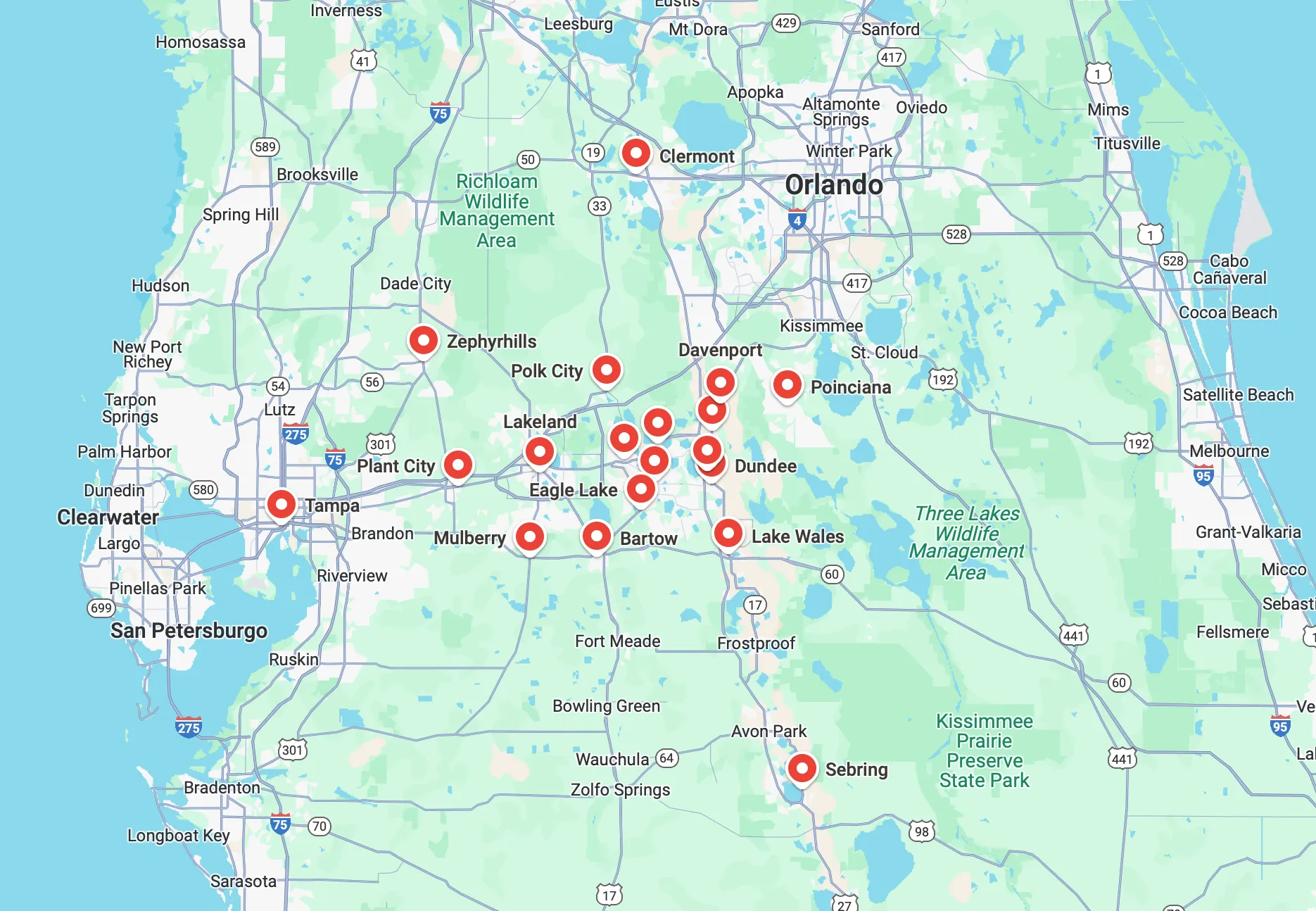
Service Areas