Heat Pump Repair in Tampa, FL
Heat Pump Repair in Tampa, FL
A malfunctioning heat pump disrupts comfort and drives up energy bills quickly in Tampa, FL where year-round cooling demand and high humidity make reliable HVAC performance essential. Whether your system is failing to produce heat in cooler months, short cycling during hot afternoons, or leaking refrigerant near the coast, prompt, professional heat pump repair reduces downtime, protects equipment, and restores efficiency.
-min.webp)
Common heat pump issues in Tampa, FL
- No or reduced heating or cooling output: Homeowners notice temps that never reach thermostat settings or weak airflow.
- Short cycling: The unit turns on and off frequently, increasing wear and energy costs.
- Refrigerant leaks: Low refrigerant reduces capacity and can damage the compressor if left unaddressed.
- Compressor failures: The compressor hums, overheats, or does not start; this is one of the most serious failures.
- Frozen outdoor coil or evaporator coil: Often caused by airflow restrictions, refrigerant issues, or defrost control faults.
- Fan motor or capacitor problems: Unit won’t blow air properly or struggles to start.
- Electrical/control failures: Faulty contactors, relays, or control boards lead to intermittent operation.
- Corrosion and coil damage: Tampa’s salt air and humidity accelerate corrosion of outdoor coils and electrical connections.
Quick homeowner troubleshooting (safe, first checks)
Perform these checks before calling a technician. Power down the system when accessing electrical panels.
- Thermostat: Confirm settings, fan mode, and batteries. Set to heat or cool and raise/lower setpoint by several degrees to test.
- Circuit breakers and disconnects: Check the main breaker and outdoor unit disconnect; reset if tripped.
- Air filter and vents: Replace dirty filters and ensure supply/return vents are open and unobstructed.
- Outdoor unit clearance: Remove leaves, plants, or debris that block airflow around the condenser.
- Condensate drain: Look for puddles or overflow near the indoor unit indicating a clogged drain.
- Unusual sounds or odors: Note clicking, grinding, or burning smells for the technician.
If the system still does not perform after these checks, professional diagnosis is recommended. Avoid attempting refrigerant handling or internal electrical repairs yourself.
Professional diagnostic process
A technician follows a structured diagnostic workflow to identify root causes efficiently:
- System history and visual inspection: Check unit age, installation, corrosion, and visible damage from weather or pests.
- Electrical testing: Measure voltage and current draw to isolate motor, capacitor, or control failures.
- Refrigerant and pressure checks: Use gauges and leak detectors to evaluate charge level and locate leaks.
- Airflow assessment: Measure static pressure and inspect ductwork, blower, and filters.
- Component validation: Test capacitors, contactors, reversing valves, sensors, and defrost controls.
- Performance verification: Run the system through a full cycle to confirm temperatures, pressures, and operation under load.
Technicians document findings and explain repair options, including whether a repair, component replacement, or system upgrade is the most cost-effective long-term solution.
Common repairs and parts replacement
- Refrigerant leak detection and repair: Locate and seal leaks, evacuate and recharge refrigerant. Note that handling refrigerant requires a licensed technician and compliance with current refrigerant regulations.
- Compressor replacement: Replacing a damaged compressor is major work that may require system recovery and match of motor and refrigerant type.
- Capacitors and contactors: These common failures are typically quick to replace and restore operation.
- Fan motor or blower repairs: Replace motors or belts to restore proper airflow.
- Reversing valve and defrost controls: Repair or replace components that affect heating mode and defrost cycles.
- Coil cleaning and corrosion mitigation: Remove salt and grime from outdoor coils and apply protective measures to slow future corrosion.
- Control board and thermostat replacement: Update faulty controls for reliable operation and improved diagnostics.
- System retrofit or refrigerant conversion: For older systems using phased-out refrigerants, a retrofit or replacement may be recommended to meet efficiency and regulatory needs.
Typical repair timelines
Repair time depends on the issue and parts availability:
- Simple fixes (capacitor, contactor, filter, thermostat): often completed within 1 to 3 hours.
- Refrigerant leak repair and recharge: commonly 3 to 6 hours, longer if extensive coil or line repair is needed.
- Compressor or major component replacement: typically 1 to 2 days, allowing for part delivery, system recovery, and testing.
- System retrofits or replacements: may take several days when coordinating permits and matching components.
These timelines represent typical service scenarios; a technician’s initial diagnosis provides a more accurate timeframe.
Warranties and workmanship
Professional heat pump repairs in Tampa commonly include warranties on parts and labor. Warranties vary by part type and manufacturer; typical practices include:
- Manufacturer parts warranty: Applied if replacement parts are genuine and registered where required.
- Labor warranty: Service providers often guarantee workmanship for a specified period after repair.
- Warranty documentation: A clear written summary of covered items, duration, and exclusions is standard practice.
Confirm warranty terms after diagnosis so you understand coverage for repeat failures or related components.
Emergency repair considerations
In Tampa, sudden failures during heat spikes, humidity events, or storm seasons are common. Emergency repair services address safety issues, restore basic operation, and protect against indoor humidity and mold. Emergency response focuses on stabilizing the system, preventing further damage, and scheduling full repairs when appropriate.
Preventing future breakdowns in Tampa homes
- Regular maintenance: Biannual tune-ups before peak cooling and mild-season heating help catch issues early.
- Replace air filters monthly during heavy-use months and at least every 90 days otherwise.
- Keep outdoor unit clear of debris and rinse salt buildup after storms or near-coastal exposures.
- Schedule refrigerant checks and coil cleanings annually to preserve efficiency.
- Upgrade older units: Consider higher-efficiency models or matched system components if frequent major repairs occur.
- Install a smart thermostat: Improved control and diagnostic data can reduce runtime and alert to problems sooner.

Customer Testimonials

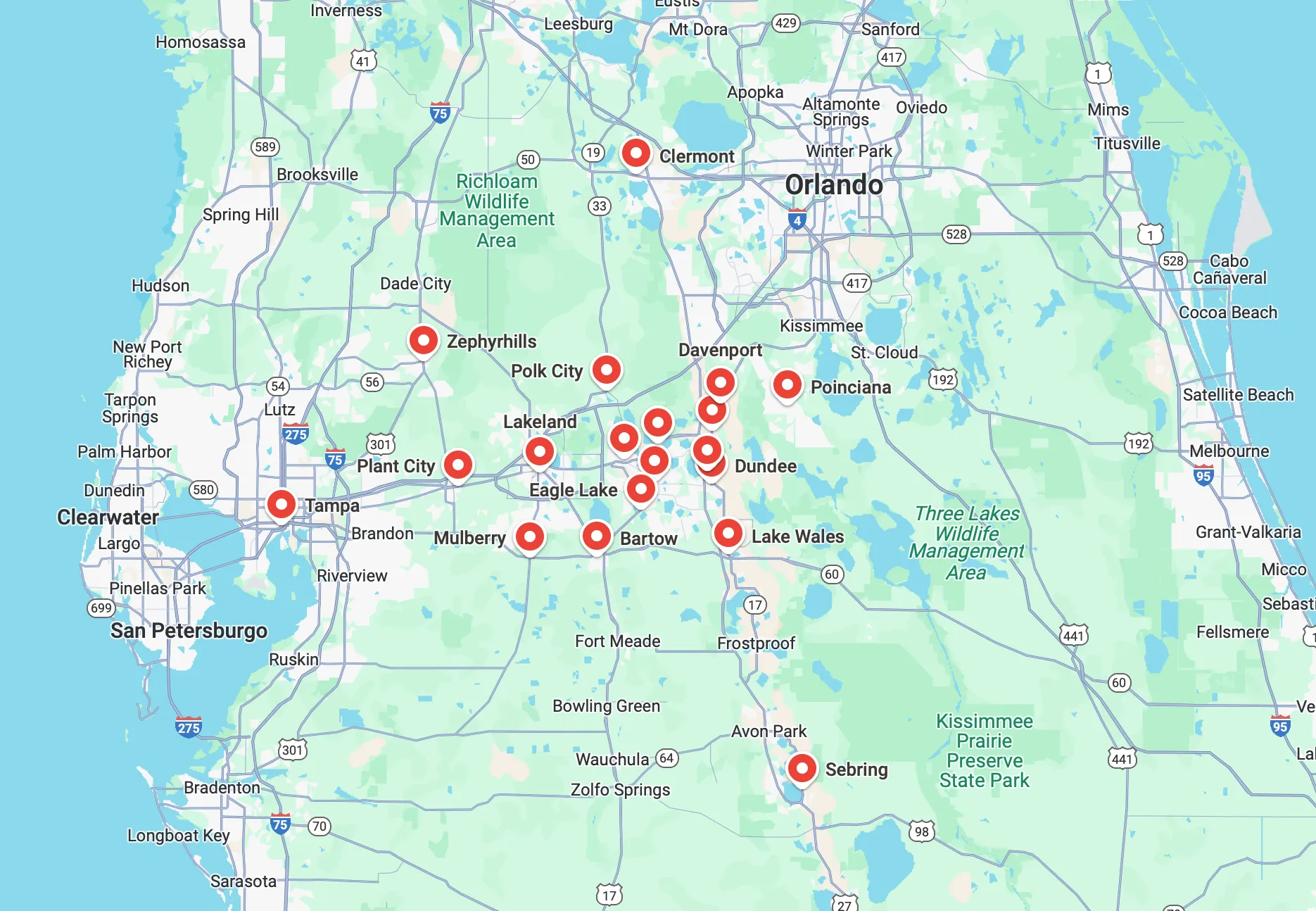
Service Areas