Heat Pump Installation in Tampa, FL
Heat Pump Installation in Tampa, FL
Choosing the right heat pump and having it installed correctly is one of the most effective upgrades Tampa homeowners can make for year-round comfort and energy savings. In Tampa’s hot, humid climate with frequent storms and coastal exposure, a properly sized, code-compliant heat pump installation reduces energy use, controls indoor humidity, and holds up better to salt air and high winds.
.jpeg)
Why a professional heat pump installation matters in Tampa, FL
- Tampa’s climate is cooling-dominant: systems spend far more time removing heat and moisture than adding heat. That makes correct sizing and dehumidification performance critical.
- Coastal salt and humid air accelerate corrosion; equipment selection and placement affect longevity.
- Local building codes and wind-resistance requirements affect mounting, electrical work, and permitting.
- Improper installation (oversizing, incorrect refrigerant charge, poor airflow) causes short cycling, poor humidity control, and higher utility bills-common issues in Tampa homes.
Common heat pump types and which work best in Tampa
- Air-source split systems (most common): good efficiency and well-suited for Tampa’s mild winters.
- High-efficiency inverter-driven heat pumps (variable-speed): provide superior humidity control and hold steady temperatures with fewer cycles-advantageous in humid climates.
- Ductless mini-splits: excellent for additions or homes without ducts; allow zoning for targeted comfort.
- Packaged systems: used where outdoor space is limited; require careful selection for coastal durability.
- Geothermal (ground-source): very efficient long-term, but higher upfront complexity and site-dependent feasibility.
Common heat pump issues in Tampa, FL
- Short cycling from oversized units leading to poor humidity control
- Corrosion of outdoor condensers from salt spray and coastal air
- Reduced efficiency from blocked or poorly insulated ducts in older Tampa homes
- Inadequate condensate handling causing mold risk in high humidity
- Electrical upgrades needed for modern high-efficiency units or two-stage controls
Site assessment and load calculations
A thorough site assessment starts with an on-site visit and includes:
- Home size, layout, ceiling height, and insulation levels
- Duct system condition and static pressure measurements if ducts exist
- Window type, orientation, and shading
- Occupancy patterns and internal heat gains (appliances, electronics)
- Local microclimate factors (proximity to coast, shade, prevailing winds)Following the assessment, a Manual J load calculation is performed to determine the exact heating and cooling load. In Tampa, accurate load calculation prevents oversizing and ensures the system can remove both heat and moisture effectively.
System sizing and model selection
- Use Manual J results plus duct and equipment losses to choose capacity. In Tampa, emphasis is on cooling capacity with adequate latent capacity for humidity control.
- Prioritize models with high SEER and HSPF ratings and variable-speed compressors for better dehumidification and part-load efficiency.
- For coastal properties, specify anti-corrosion coatings, sealed terminal boxes, and elevated mounting options.
- Consider matching indoor coil and blower characteristics to the selected outdoor unit to ensure proper airflow and refrigerant charge.
Energy-efficiency and indoor air quality considerations
- Variable-speed systems and multi-stage compressors reduce on/off cycling and improve humidity control.
- Properly sized equipment and well-sealed ducts maximize efficiency and indoor comfort.
- Adding a smart thermostat and zoning can further reduce energy use and tailor comfort for different areas.
- Consider upgraded filtration and UV or MERV-rated filters if indoor air quality is a concern due to humidity-related mold risk.
Installation process and typical timelines
- Pre-install planning (1–3 days): confirm model, materials, and schedule. Prepare permit application where required.
- Removal of old equipment (same day): careful disposal per local regulations; inspect existing ducts and electrical panel.
- Mechanical installation (1–2 days): set outdoor unit on pad or elevated platform, mount indoor coil or air handler, connect refrigerant lines, and seal and insulate ducts.
- Electrical and control wiring (same day): ensure correct breaker sizing, disconnects, surge protection, thermostat wiring, and any panel upgrades.
- Refrigerant charge and leak testing (same day): accurate charge per manufacturer specifications is critical.
- Commissioning and homeowner orientation (same day): testing, airflow balancing, thermostat programming, and operation review.
Typical total timeline from assessment to final commissioning can range from a few days for straightforward replacements to several weeks if permits, equipment lead times, or electrical upgrades are required.
Permit and code compliance in Tampa
Installations in Tampa must comply with the Florida Building Code and local City or County permitting requirements. Common code-related items include:
- Proper anchoring and wind-resistant hardware for outdoor units in hurricane-prone zones
- Elevation requirements in flood-prone areas
- Electrical permits for new circuits or panel upgrades and adherence to NEC (National Electrical Code) standards
- Refrigerant handling and disposal per state and federal regulations. Working with installers who are familiar with Tampa permitting and inspection processes helps avoid delays and ensures safe, code-compliant work.
Pricing estimates and financing options
A professional installation typically includes a written estimate that breaks down equipment, labor, permitting, and recommended duct or electrical repairs. While exact costs vary by home and system choice, transparent estimates make it possible to compare options. Financing options and incentive programs may be available from utilities or local programs; ask for an estimate that demonstrates payback through efficiency gains and potential incentives without assuming specific prices here.
Post-installation testing and commissioning
Proper commissioning verifies the installation and protects performance:
- Measure refrigerant charge, superheat/subcooling, and verify no leaks
- Check airflow and static pressure and adjust fan speeds or ductwork as needed
- Validate electrical connections, amp draws, and correct breaker sizing
- Confirm thermostat calibration and control logic for multi-stage or variable-speed systems
- Provide a commissioning report summarizing settings, measured values, and recommended maintenance
A final homeowner orientation should cover thermostat operation, recommended maintenance intervals, filter types, and what normal system sounds and cycles look like in Tampa’s climate.
Long-term benefits and maintenance advice
- Correct installation delivers improved comfort, quieter operation, better humidity control, and lower energy bills in Tampa’s climate.
- Seasonal maintenance-filter checks, coil cleaning, condensate drain inspection, and annual refrigerant/pressure checks—extends equipment life and maintains efficiency.
- For coastal properties, periodic corrosion inspections of outdoor units and tightened fasteners after storm season are valuable.
A properly planned and executed heat pump installation tailored to Tampa’s heat, humidity, and coastal conditions provides reliable comfort and efficiency for years. Prioritizing accurate load calculations, corrosion-resistant equipment choices, code compliance, and professional commissioning results in the best long-term performance for your home.

Customer Testimonials

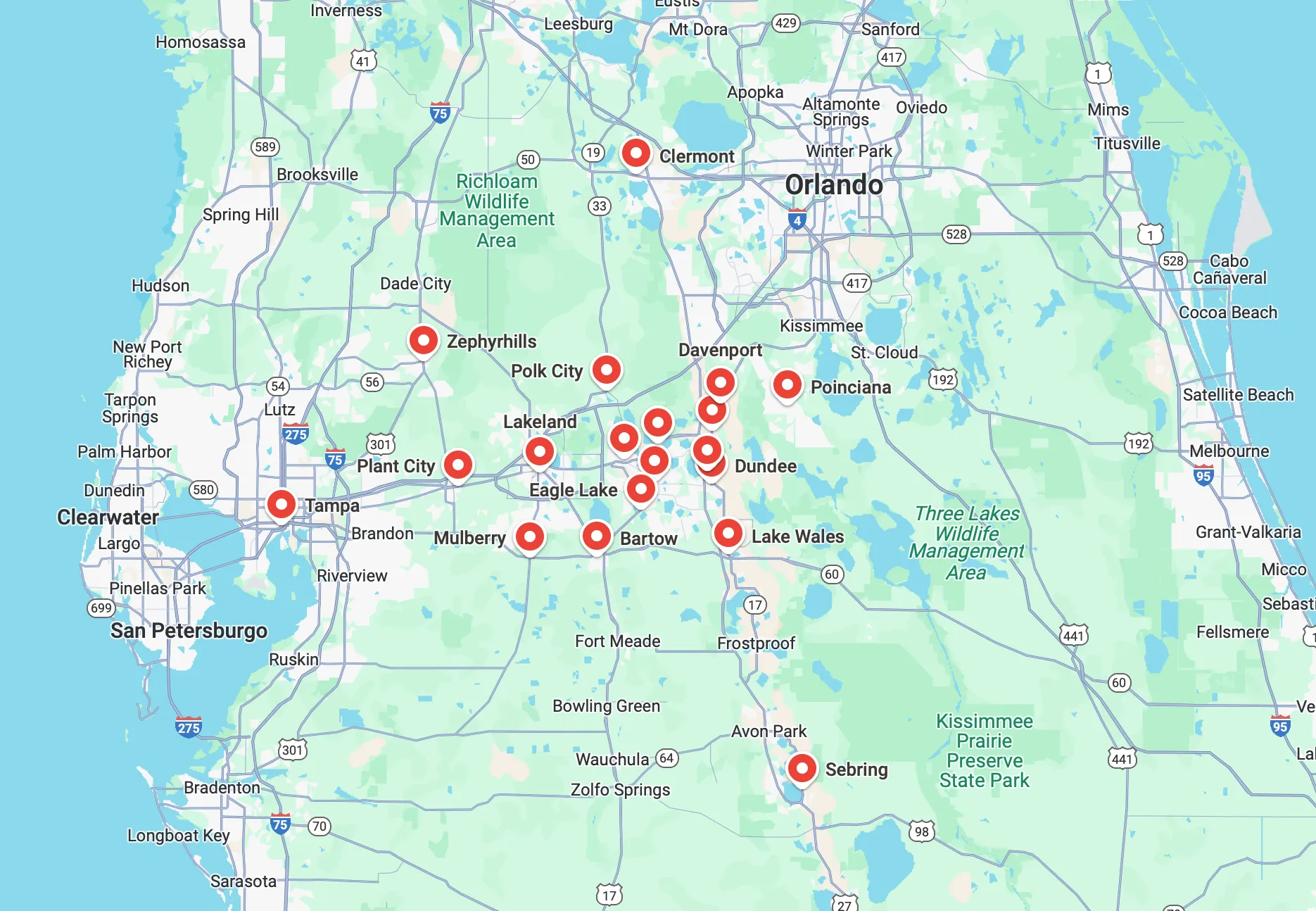
Service Areas