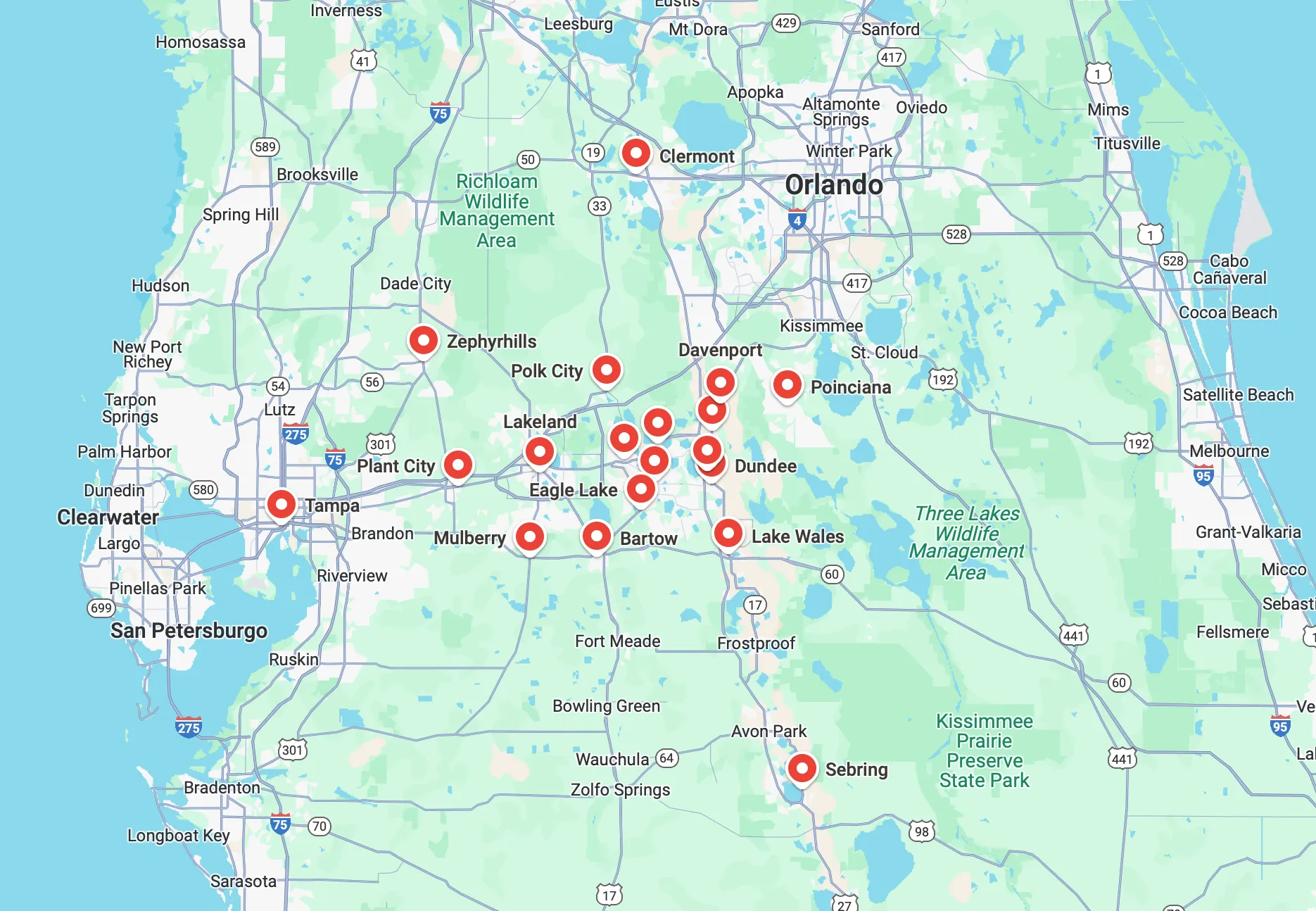
Heat Pump Repair in Poinciana, FL
Heat Pump Repair in Poinciana, FL
When a heat pump stops heating or cooling reliably, Poinciana homeowners face uncomfortable indoor temperatures quickly because of Florida’s hot, humid climate. Heat Pump Repair in Poinciana, FL focuses on fast, accurate diagnostics and durable fixes that restore comfort and efficiency.
.jpeg)
Why timely heat pump repair matters in Poinciana, FL
Poinciana homes see heavy year-round use of heat pumps for both cooling and dehumidification. Prolonged high humidity and frequent summer storms increase system strain and the chance of electrical or component damage. Delaying repairs can worsen compressor or refrigerant issues, reduce indoor air quality, and drive energy bills up. Prompt repair preserves system life and comfort, and reduces the likelihood of larger, more costly failures during peak heat.
Common heat pump failure symptoms in Poinciana
Recognizing symptoms early helps narrow diagnostics and speeds repair:
- No heating or cooling - compressor not engaging or refrigerant leak.
- Reduced airflow - dirty filters, blocked ductwork, failing blower motor.
- Strange noises - grinding, squealing, or rattling can indicate motor or bearing failure.
- Short-cycling - system turns on and off frequently, often caused by thermostat issues, electrical faults, or a failing compressor.
- Frozen coils or ice buildup - poor airflow, low refrigerant, or stuck reversing valve.
- High energy use - aging components, poor refrigerant charge, or control failures.
- Intermittent operation - loose electrical connections, failing capacitors, or control board faults.
On-site diagnostic and troubleshooting process
Technicians follow a systematic approach to find root causes efficiently:
1. Visual and safety checks
- Inspect wiring, disconnects, and fuses for obvious damage.
- Confirm condensate drainage and check for water buildup.
2. System history and symptom interview
- Ask about when the problem started, recent weather or power events, and any prior repairs.
3. Electrical testing
- Measure voltage and current at compressor, fan motors, and control circuits.
- Test capacitors and contactors for proper function.
4. Refrigerant and airflow diagnostics
- Read system pressures and temperatures to verify refrigerant charge and heat-transfer performance.
- Check filters, coils, and blower operation for airflow restrictions.
5. Component-level testing
- Inspect compressor windings, capacitor capacitance, relay continuity, and thermostat signals.
6. Controlled run testing
- Operate system through heating and cooling cycles to observe behavior and confirm repairs.
This method reduces time spent on trial-and-error and limits unnecessary part replacement.
Typical parts replaced during heat pump repair
Common replacement parts in Poinciana repairs include:
- Compressors - failing compressors are a primary cause of no cooling/heating.
- Capacitors - start and run capacitors degrade in humid, hot environments.
- Contactors and relays - wear from frequent cycling or power surges.
- Thermostats and control boards - malfunctions or incorrect settings can mimic major faults.
- Reversing valves - stuck valves prevent mode changes between heating and cooling.
- Fan motors and blower assemblies - motors fail from moisture exposure or worn bearings.
- Refrigerant lines, driers, and valves - leaks and blockages need repair for proper charge.
Technicians will recommend OEM-equivalent parts where possible; for older units, compatible replacement options may be used.
Expected repair timelines and what affects them
Repair time varies by issue complexity:
- Minor electrical or control fixes: typically a same-day visit and repair when parts are in stock.
- Capacitor, contactor, thermostat, or blower motor replacements: often completed within a single visit.
- Refrigerant leak detection and repair: may require multiple visits to locate and fix leaks, evacuate and recharge the system, and retest.
- Compressor replacement or major refrigerant circuit work: can take a day or more due to heavy components and recovery requirements.
Factors that influence timelines include parts availability, access to equipment, extent of refrigerant work required, and whether rust or corrosion has complicated component removal.
Emergency and after-hours response considerations
In Poinciana, extreme summer heat or system failures during storms can create urgent situations. Typical emergency indicators:
- No cooling during sustained heat that risks health or vulnerable occupants.
- Burning smells, smoke, or visible electrical arcing.
- Rapid refrigerant loss causing hissing and frost, which can damage the compressor.
Many service providers offer after-hours or emergency response. Response time will depend on crew availability and weather conditions. For emergency calls, technicians prioritize safety-disconnecting power if necessary-and implement temporary measures to limit damage until a full repair can be completed.
Warranty, parts, and long-term reliability
Understanding warranty terms helps set expectations:
- Manufacturer (OEM) warranties typically cover major components for a set period and may require proof of routine maintenance.
- Aftermarket parts may carry separate warranties from parts suppliers or distributors.
- Labor warranties are often provided by service providers for a defined period after repair and may cover only the specific work performed.
- For older systems no longer supported by manufacturers, technicians may recommend replacement of critical components with compatible parts and explain limitations in warranty coverage.
Documenting parts used and retaining receipts helps with future warranty claims and service history.
What to expect when arranging a repair visit
Scheduling a repair visit generally involves sharing system details and symptoms so a technician arrives prepared:
- Provide system make, model, age, and recent maintenance history if known.
- Describe observed symptoms, noises, and any error codes displayed at the thermostat or control board.
- Note home access logistics and any safety concerns such as pets or gated entry.
On arrival, the technician will perform the diagnostic process, explain findings in plain terms, and provide a clear repair recommendation with expected steps and timelines. Estimates should outline parts required, expected labor scope, and warranty coverage for the repair work performed.
Preventive care and post-repair tips for Poinciana homes
Consistent maintenance reduces future failures in Florida’s climate:
- Schedule seasonal inspections and tune-ups to catch refrigerant issues and electrical wear.
- Replace air filters every 1 to 3 months, more often during pollen season.
- Keep outdoor units clear of debris and vegetation; check for standing water after storms.
- Use a programmable thermostat correctly to avoid unnecessary cycling.
- Address minor issues early-noises or reduced airflow are often precursors to larger failures.
Regular maintenance paired with prompt repairs extends system life and preserves efficiency in Poinciana’s humid environment.

Customer Testimonials

Service Areas