Heat Pump Installation in Poinciana, FL
Heat Pump Installation in Poinciana, FL
Installing a new heat pump is one of the most effective upgrades you can make for year-round comfort and lower utility bills in Poinciana, FL. With hot, humid summers and mild winters, proper heat pump selection and professional installation directly affect cooling performance, dehumidification, and system longevity.
-min%2520(1).webp)
Why a professionally installed heat pump matters in Poinciana, FL
- Florida’s climate means air conditioning runs a large portion of the year; an appropriately sized, high-efficiency heat pump delivers reliable cooling and effective humidity control.
- Proper installation prevents common problems in humid climates: short cycling, inadequate dehumidification, poor airflow, and premature equipment failure.
- Local building codes and hurricane-related requirements affect placement, anchoring, and electrical work; compliance ensures safety and avoids permit issues.
Common heat pump types and which suit Poinciana homes
- Air-source (split) heat pumps: The most common choice for single-family homes. Good balance of efficiency and cost.
- Ductless mini-splits: Ideal for room additions, older homes without ducts, or zoned comfort. High efficiency, excellent for targeted cooling and mild heating.
- Variable-speed/inverter models: Offer superior humidity control and steady temperature with lower running costs-recommended for Florida’s climate.
Typical problems we see in Poinciana and how proper installation prevents them
- Oversized equipment: In humid climates, oversized systems cool too quickly without removing enough humidity. Correct load calculations prevent this.
- Improper duct design or leaky ducts: Leads to uneven cooling and higher energy bills. Duct sizing and sealing are essential.
- Poor placement or inadequate anchoring of outdoor units: Can be vulnerable during tropical storms—installation must follow local hurricane-resistant anchoring practices.
- Incorrect refrigerant charge or airflow: Causes reduced efficiency and higher wear. Commissioning tests ensure optimal charge and airflow.
Step-by-step installation workflow
1. Initial site assessment and load calculation
- A technician inspects the home layout, insulation, windows, attic ventilation, ductwork condition, and electrical capacity.
- A Manual J load calculation (or equivalent) determines the exact heating and cooling demand. Manual S and Manual D guide equipment selection and duct work.
2. Model selection and sizing
- Choose an appropriately sized, energy-efficient model (SEER, HSPF ratings) based on load calculation.
- Discuss ducted vs ductless options, variable-speed compressors, and ENERGY STAR-qualified models or low-GWP refrigerant choices appropriate for long-term performance in Florida.
3. Permits and code review
- Apply for mechanical and electrical permits through your local county building department (Osceola or Polk County, as applicable).
- Installations must meet the Florida Building Code and local amendments, including equipment anchoring and clearances. Inspections will be scheduled as required.
4. Site preparation
- Prepare the outdoor pad or bracket, ensure proper drainage, and make any required structural or electrical upgrades.
- If replacing an old unit, safe removal and proper disposal are completed per local and federal refrigerant handling rules.
5. Mechanical and electrical installation
- Set and anchor the outdoor unit; install indoor air handler, evaporator coil, or mini-split heads.
- Run refrigerant lines, electrical conduit, and condensate drains with attention to slope and freezing protection (if applicable).
- Perform duct modifications, sealing, and insulating where needed.
6. Startup, testing, and commissioning
- Evacuate and charge the refrigerant to manufacturer specs, verify electrical connections, and test safety controls.
- Commissioning tests typically include airflow measurements, temperature split checks, static pressure, superheat/subcooling, and electrical load verification.
- Adjust thermostat settings, calibrate controls, and demonstrate system operation and maintenance basics.
Timeline expectations
- Simple ductless mini-split: typically 1 day to complete.
- Standard split system replacement: commonly 1 to 2 days.
- New ducted installations or homes needing significant ductwork/electrical upgrades: 2 to 4 days or more.
- Permitting and inspection timelines vary by county and can add days to weeks before work begins.
Post-install testing and what’s inspected
- Refrigerant pressure and proper charge for peak efficiency.
- Airflow and balanced distribution to each room.
- Electrical integrity and amperage draw.
- Thermostat and control functionality, and humidity performance.
- Final building inspections for code compliance and permit sign-off.
Rebates, financing, and incentives
- Many homeowners in Florida qualify for federal tax incentives, state or local utility rebates, or manufacturer rebates when choosing energy-efficient heat pumps. Incentives change periodically, so selecting ENERGY STAR-qualified equipment and keeping purchase/installation documentation is important for any claim or future rebate application.
- Financing options are frequently available through third-party lenders or local programs. Review eligibility and terms before committing to a plan.
Warranty coverage and maintenance essentials
- Manufacturer warranties typically cover major components (compressor and major parts) and vary in length; labor warranties are usually provided by the installer for a set period.
- Register equipment with the manufacturer to validate full warranty benefits and follow recommended maintenance schedules.
- Simple maintenance for long-term performance:
- Change or clean filters regularly (monthly to quarterly depending on use).
- Annual professional tune-up: clean coils, check refrigerant, test controls, inspect ductwork and seals.
- Keep outdoor unit clear of vegetation and debris and ensure proper airflow.
Final considerations for Poinciana homeowners
- Emphasize correct sizing and humidity control-two common pitfalls in Central Florida installations.
- Account for hurricane season with correct anchoring and clearance; ensure permit and inspection compliance to protect both safety and insurance considerations.
- A properly installed, energy-efficient heat pump provides better comfort, lower energy bills, and reliable year-round performance in Poinciana’s climate.

Customer Testimonials
Discover why our customers love us through their heartfelt testimonials.

Stephen J.
Great company all the way around! I have been using these guys for about 15 years now and have nothing but good things to say about them. They just installed a new unit in my house and I was very pleased with the price and the quality of work. Give them a call you will not regret it!!
Andrea R.
This is one of the most professional companies I have dealt with in a long time. They keep their appointments and communicate any delays asap. Service is top notch! I would recommend them to anyone!
Lisa R.
I’ve never had a business promise, something and then fulfill it until Newbern Air Conditioning. I needed a new air handler, I was quoted a price, And they told me they would wait on me to let them know when I could do it. They also told me when they ordered it. They would install it the day after it came in and they did just that. They are dependable and trustworthy.
Garrett L.
Great folks! They installed a couple units for me almost 2 years ago. One unit started blowing warm air, so I called in a repair around 9:00 a.m. They repaired a poorly seated compression fitting and had it going by 2:30 p.m. the same day under warranty. That says a lot about their work ethics and willingness to stand behind their work.
Matthew M.
Great company i would give more than five stars if it gave me the option, Christopher is a great guy and helped me out alot and works with you. 100 percent beat pricing and work around, if you need any a/c needs come to this place. I appreciate it so much
Kimberly G.
This is your AC company! Any problem we have ever had they have been fast and so professional. New unit was installed today and his crew was amazing and polite just like him! If I could give 10 stars I would! Thank you!!!
Service Areas
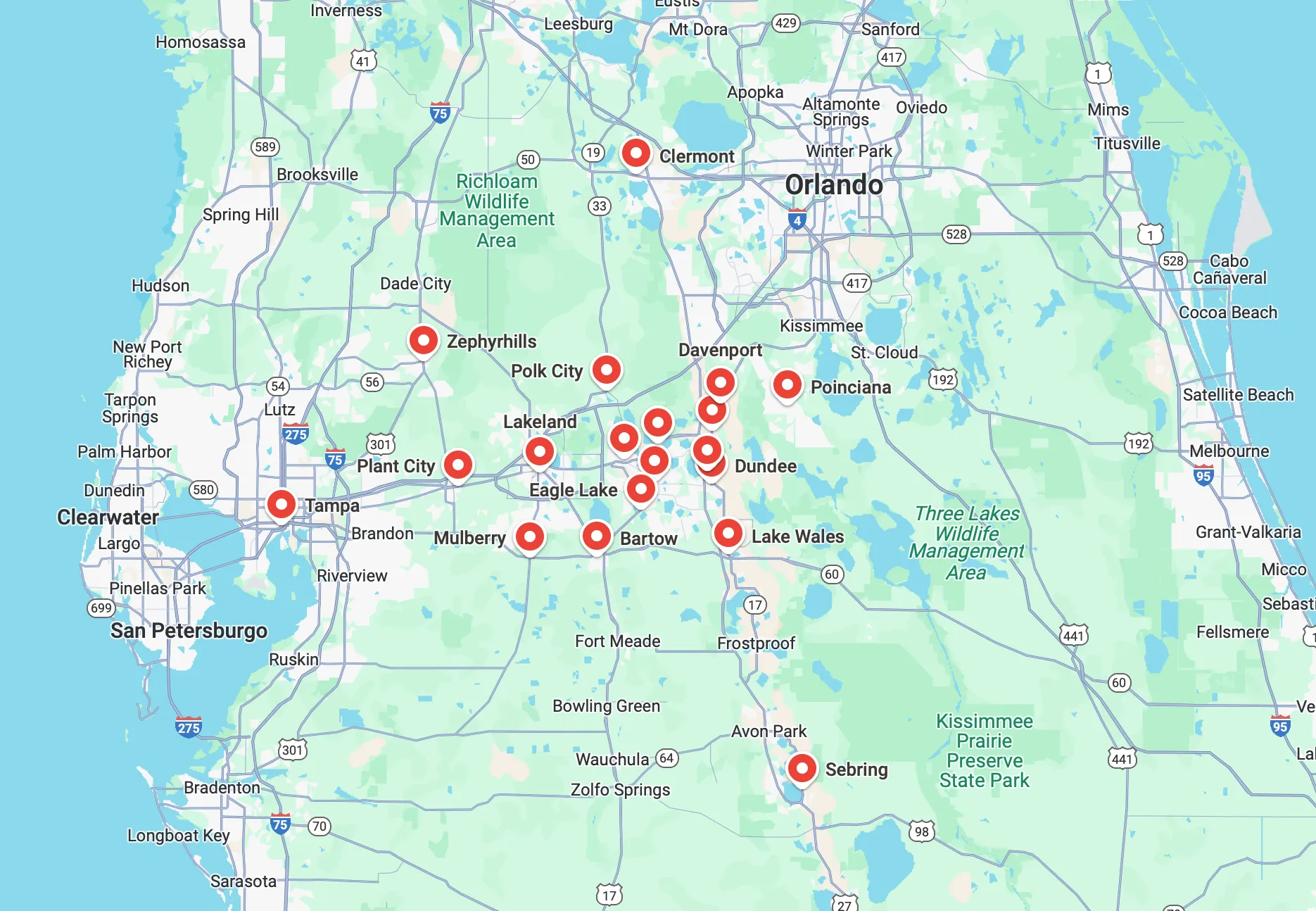
Not sure if we cover your neighborhood? Give us a quick call we’ll let you know in seconds.