Heat Pump Maintenance in Poinciana, FL
Heat Pump Maintenance in Poinciana, FL
Keeping your heat pump maintained is essential in Poinciana, FL where long, humid summers and frequent storms put heavy demand on cooling systems. Routine, professional maintenance reduces breakdown risk during peak use, restores efficiency after pollen and debris buildup, and extends equipment life.
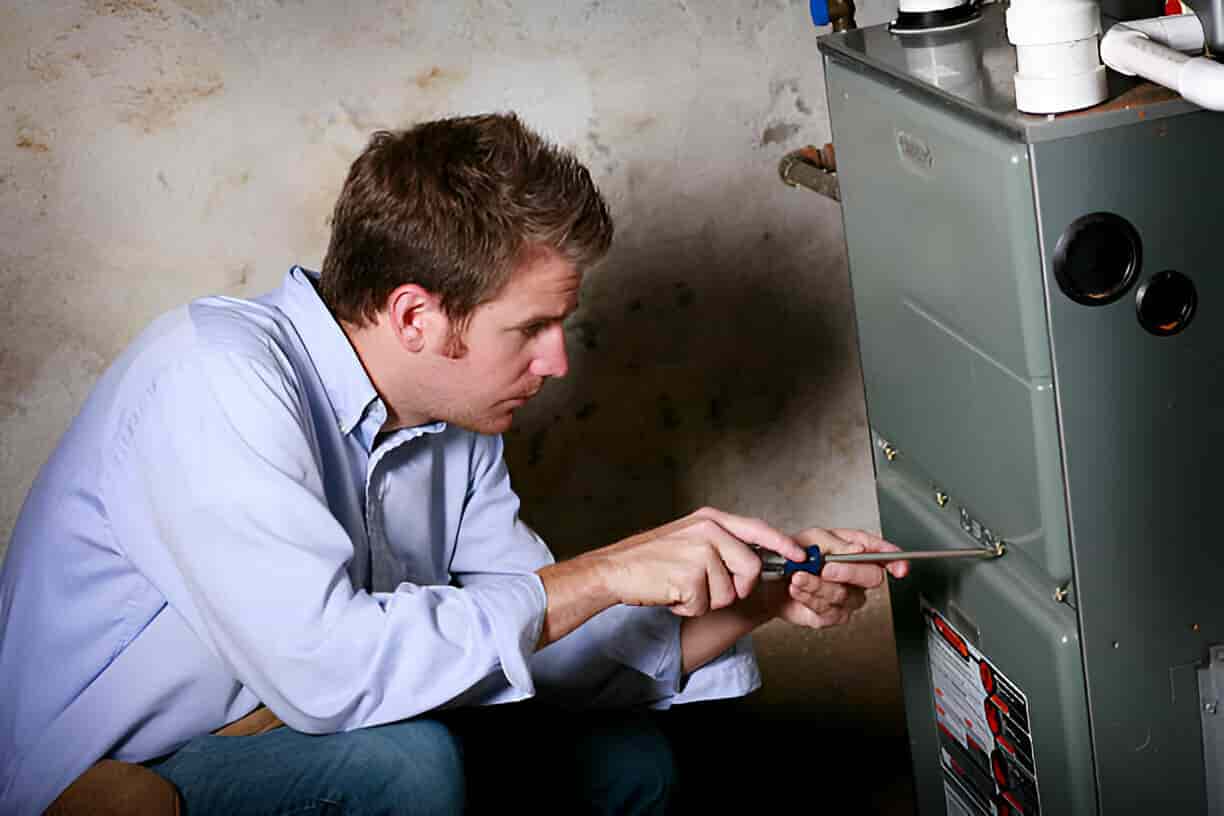
Why preventive heat pump maintenance matters in Poinciana, FL
- High cooling load: Poinciana homes run cooling systems most of the year. That constant use accelerates wear on compressors, fans, and controls.
- Humidity and pollen: Central Florida humidity and seasonal pollen lead to faster coil fouling and clogged filters, reducing airflow and efficiency.
- Storm and hurricane season: Heavy rains and high winds increase the risk of debris intrusion, drain clogs, and electrical exposure.
- Energy and comfort: A well-tuned heat pump uses less energy, maintains steady indoor temperatures and humidity, and reduces noisy or frequent cycling.
Timely maintenance lowers utility bills, prevents emergency repairs during hot spells, and helps your system reach its expected service life.
Common heat pump maintenance issues in Poinciana homes
- Restricted airflow from dirty filters and evaporator coils, causing poor cooling and frozen evaporator coils.
- Reduced refrigerant charge from slow leaks, lowering efficiency and increasing compressor strain.
- Corroded or loose electrical connections leading to intermittent operation or starting failures.
- Clogged condensate drains that cause water backups and potential indoor water damage.
- Outdoor unit obstruction with leaves, grass clippings, or storm debris that limits heat exchange.
- Thermostat drift or control issues producing uneven temperatures or short cycling.
Understanding these typical problems helps you evaluate the thoroughness of any maintenance service.
Routine maintenance checklist (what technicians should inspect and do)
A complete heat pump maintenance visit for Poinciana, FL homes usually follows a structured checklist to identify and address common failure points:
- Visual inspection
- Check outdoor unit location for debris, standing water, or vegetation within 2 feet.
- Inspect cabinet and mounting for corrosion or damage from storms.
- Air filter service
- Replace or clean filters. Frequency depends on filter type, household pets, and indoor air quality needs.
- Coil cleaning
- Clean evaporator and condenser coils to restore heat transfer. Use chemical or soft washing methods as appropriate.
- Refrigerant system
- Check refrigerant levels and pressures. Diagnose for leaks if pressure is low; recommend repair if a leak is found.
- Electrical inspection
- Tighten and inspect all electrical connections, contactors, capacitors, fuses, and breakers.
- Motor and fan checks
- Lubricate motors where required and check fan blade condition and clearance.
- Airflow and duct assessment
- Measure airflow across the coil, check supply and return vents for obstructions, and inspect ductwork for major leaks or damage.
- Thermostat and controls
- Calibrate thermostat, test cycle start/stop sequences, and verify system safety controls.
- Condensate management
- Clear condensate drain and pan, check drain lines, and test float switches and condensate pumps.
- System performance test
- Measure operating temperatures and pressures, verify subcooling and superheat where appropriate, and calculate estimated SEER performance relative to expected baselines.
- Safety and documentation
- Test safety devices and provide a service report noting findings, any recommended repairs, and efficiency observations.
Seasonal service plans and recommended intervals
In Poinciana, FL the emphasis is on preparing for cooling season and addressing the aftermath of heavy use after summer:
- Filters: inspect every visit; change every 1 to 3 months depending on type and household conditions.
- Biannual tuneups: recommended. Typical schedule is one visit in spring before the primary cooling season and one in fall after peak summer use. The spring visit ensures peak cooling readiness; the fall visit catches wear from summer and prepares the system for mild winter heating cycles and humidity control.
- Annual coil and refrigerant inspection: at least once a year; more often with heavy pollen or nearby construction.
- Drain line and condensate pan: check and clean at least once per year and after major storms.
- Electrical and control checks: annually, or with any sign of performance issues.
For homes with allergy concerns, pets, or high dust loads, increase filter changes and consider quarterly inspections.
Maintenance agreements and what they include
Maintenance agreements vary but quality plans for Poinciana heat pumps typically include these elements:
- Scheduled seasonal tuneups (spring and fall) with defined checklists.
- Priority scheduling for service calls during hot weather peaks.
- Reduced diagnostic fees or waived fees for covered repairs.
- Discounted labor on repairs and parts replacement.
- Documentation of each visit with recommendations and performance notes.
- Optional add-ons such as UV light inspection, advanced filtration, or duct sealing evaluations.
A well-structured agreement ensures regular attention, predictable maintenance, and early detection of small issues before they become costly failures.
What a maintenance visit prevents (real outcomes)
- Fewer emergency breakdowns during summer: preventive checks catch weak capacitors, failing contactors, and refrigerant issues early.
- Lower energy bills: cleaning coils and restoring proper refrigerant charge improves system efficiency and reduces run times.
- Longer equipment life: regular lubrication, tightened electrical connections, and clean components reduce stress on compressors and motors.
- Improved indoor comfort: correct airflow and calibrated thermostats mean steadier temperatures and better humidity control.
- Reduced mold and moisture problems: cleared drains and proper condensate handling lower the risk of water damage and indoor air quality issues.
Practical homeowner tips between professional visits
- Replace or clean filters every 1 to 3 months depending on use.
- Keep the outdoor unit clear of vegetation and debris; maintain at least 2 feet of clearance.
- Ensure supply vents are not blocked by furniture or rugs.
- Listen for new noises and monitor for shorter cooling cycles or steady high energy use as signs to schedule a check.
- During and after storms, visually inspect the outdoor unit for damage or debris buildup.

Customer Testimonials

Service Areas