Heat Pump Repair in Clermont, FL
Heat Pump Repair in Clermont, FL
When your heat pump underperforms or stops working, it affects comfort and indoor air quality in your Clermont, FL home right away. Heat pumps are the primary source of year-round climate control in Central Florida because they both cool and heat efficiently. That makes prompt, accurate heat pump repair essential.
-min%2520(1).jpeg)
Why timely heat pump repair matters in Clermont, FL
Clermont experiences long, humid summers and mild winters. High humidity and frequent storms increase corrosion, electrical stress, and refrigerant-related problems. Delaying repairs can lead to higher energy bills, reduced system life, frozen coils, indoor humidity issues, and in some cases safety hazards like electrical failures or refrigerant leaks. Prompt repair restores comfort and prevents small issues from turning into major replacements.
Common heat pump problems in Clermont, FL homes
- No cooling or heating: Often caused by compressor failure, electrical faults, or refrigerant loss.
- Insufficient airflow or weak airflow: Clogged filters, blower motor issues, duct leaks, or frozen evaporator coil.
- Short cycling or frequent on-off cycles: Faulty thermostat, refrigerant charge problems, or an oversized system.
- Strange noises: Grinding, hissing, or clanking can indicate compressor troubles, loose fan blades, or failing bearings.
- Thermostat or control failures: Calibration issues, wiring faults, or incompatibility with the heat pump controls.
- Refrigerant leaks: Low refrigerant causes poor performance and can damage the compressor if not addressed.
- Reversing valve problems: Heat pumps may not switch between heating and cooling modes properly.
- Electrical component failures: Capacitors, contactors, relays, or breakers affected by humidity, power surges, or wear.
Professional diagnostic process - what to expect
A thorough diagnosis is the foundation of effective repair. Standard diagnostic steps include:
- Visual inspection of indoor and outdoor units for physical damage, corrosion, and airflow obstructions.
- Electrical testing: voltage checks, amp draw on compressors and motors, capacitor testing, and control voltage verification.
- Thermostat verification: configuration, calibration, and wiring integrity.
- Refrigerant system evaluation: pressure readings, temperature split checks, and evaporation/condenser temperature analysis.
- Leak detection: electronic detectors, UV dye, or soap bubble checks when needed.
- Airflow measurement: filter condition, blower operation, and ductwork assessment.
- Performance run test: observe system behavior through a complete cycle to confirm symptoms.
Technicians will explain findings in plain language, identify root causes, and provide options that balance immediate needs with long term system performance.
Repairs, parts replacement, and OEM compatibility
Repairs can range from component swaps to complex compressor or refrigerant work. Key considerations:
- Compressor replacement: Requires accurate match by model and refrigerant type. Older systems may use phased-out refrigerants that complicate repairs.
- Reversing valve and metering devices: Proper calibration and leak-free installation are essential for reliable switching between modes.
- Thermostat and controls: Upgrading to compatible, programmable controls can improve efficiency and prevent short cycling.
- Refrigerant handling: Certified recovery, leak repair, and correct refrigerant charge are required for performance and compliance.
- Electrical components: Capacitors, contactors, and motors should be replaced with equivalent or OEM-grade parts for longevity.
- OEM compatibility: Using OEM or OEM-equivalent parts maintains system efficiency and preserves manufacturer warranties where applicable. Technicians should confirm part compatibility with your unit model and serial number.
Emergency repair vs scheduled service
- Emergency repair: For complete system failure during extreme heat, refrigerant leaks, severe electrical faults, or safety concerns. Emergency response options prioritize restoring safe operation quickly.
- Scheduled repair: For non-urgent issues like reduced efficiency, intermittent problems, or planned component replacement. Scheduling allows technicians to bring specific parts and coordinate warranty checks or permits if needed.
Estimated response times and repair timeline
- Initial diagnostic visits are typically available same-day for emergencies or within 24 to 72 hours for scheduled work, depending on parts availability and local demand.
- Simple repairs such as capacitor or contactor replacement often complete the same visit.
- Compressor or major refrigerant work may require ordering parts and returning within 24 to 72 hours, or longer for older units needing special components.
- Technicians will provide an estimated timeline after diagnosis so you can plan accordingly.
Transparent pricing and estimates
A professional service provides a clear estimate after diagnosis, detailing:
- Diagnostic fee and whether it is credited toward repair.
- Itemized parts and labor breakdown.
- Whether pricing is flat-rate or time and materials.
- Any permit, disposal, or refrigerant recovery fees if required.
Estimates should be given before work begins and revised only with customer consent if additional issues are discovered during repair.
Warranty and service guarantees
Reliable repair services offer:
- Parts and labor warranties for a defined period.
- Clear terms for warranty coverage and exclusions, including OEM part limitations.
- Guarantees on workmanship and a commitment to return if the same issue recurs within the warranty window.
Always confirm warranty duration and whether original equipment manufacturer warranties remain valid after repair.
Practical troubleshooting tips you can try first
- Verify thermostat settings, mode, and temperature setpoint. Replace batteries if applicable.
- Check the circuit breaker and outdoor unit switch; reset if tripped.
- Inspect and replace dirty air filters to restore airflow.
- Clear debris from the outdoor unit and ensure at least 2 feet of clearance for airflow.
- Confirm condensate drain is not clogged if you notice water leaks or system shutdowns.
- Avoid repeatedly power-cycling the system; waiting a few minutes after resetting prevents compressor damage.
What information helps speed repairs
When requesting service, have this information ready:
- Unit make, model, and installation date (from the unit data plate).
- Description of symptoms and when they started.
- Any recent maintenance, unusual events, or power outages.
- Warranty status and whether the unit has been serviced recently.

Customer Testimonials

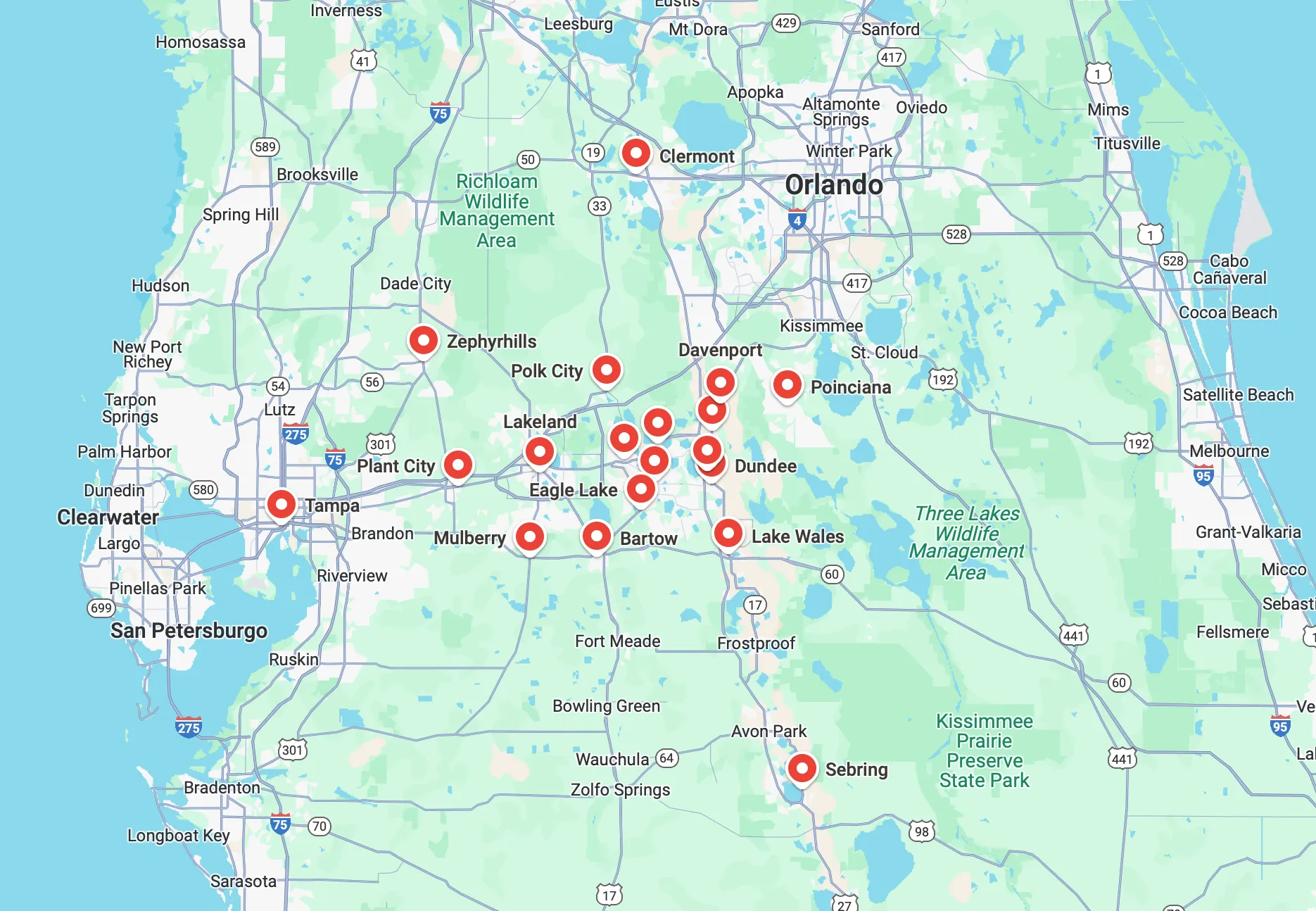
Service Areas