Heat Pump Repair in Bartow, FL
Heat Pump Repair in Bartow, FL
When your heat pump struggles, your comfort and energy bills quickly suffer. In Bartow, FL, where long hot, humid summers demand reliable cooling and occasional cool snaps require dependable heating, timely heat pump repair is essential.
.jpeg)
Why timely heat pump repair matters in Bartow, FL
Bartow’s hot, humid climate keeps heat pumps running for much of the year. High run times plus seasonal power surges from storms increase wear on electrical components and compressors. Delaying repairs can lead to higher energy costs, reduced indoor comfort, moisture problems, and ultimately premature failure that forces a full system replacement. Addressing symptoms early preserves efficiency, extends equipment life, and prevents costly emergency scenarios during peak heat.
Common heat pump symptoms and what they typically mean
- Reduced cooling or heating capacity: Often caused by low refrigerant, clogged coils, or compressor issues. In Florida, dirty condenser coils from pollen and dust are a frequent culprit.
- Short cycling (turning on and off frequently): Can indicate a faulty compressor, failed thermostat, or electrical problems like a bad capacitor or relay.
- Ice formation on the outdoor unit: Usually a refrigerant issue, poor airflow, or defrost system failure. Inconsistent defrost cycles are more noticeable during mild winter conditions.
- Unusual noises (clicking, grinding, squealing): Points to failing motors, bearings, or a damaged compressor.
- Tripped breakers or blown fuses: Electrical faults, hard-start compressors, or locked motors can cause repeated trips.
- High humidity or musty odors indoors: Can result from reduced airflow, clogged drains, or inadequate dehumidification caused by improper system operation.
- Visible refrigerant oil or wet spots: Signs of refrigerant leaks that require immediate attention, especially given R-22 phase-out considerations for older units.
Diagnostic and troubleshooting process
Professional diagnostics aim to identify root causes with minimal guesswork. Typical steps include:
- Initial inspection: Visual check of the outdoor unit, indoor coil, air filter, ductwork, and control settings.
- Airflow testing: Measure supply and return airflow to detect blockages or failing blowers.
- Electrical testing: Check capacitors, contactors, relays, breakers, and voltages to identify weak components or unsafe conditions.
- Refrigerant and pressure testing: Measure pressures and temperatures to verify charge and detect leaks. For older units using R-22, technicians will document refrigerant type and potential availability issues.
- Compressor and motor evaluation: Assess compressor start-up behavior and motor bearings for signs of wear.
- Control and thermostat verification: Ensure controls, reversing valves, and defrost cycles are operating correctly.
A thorough inspection yields an itemized diagnosis, prioritized repair options, and an explanation of the consequences of delaying each repair.
Typical repairs performed
- Refrigerant leak location and repair: Repair or replace leaking components, recover and recharge refrigerant in accordance with EPA rules, and test for long-term integrity. Note: R-22 availability is limited and typically more expensive.
- Compressor repair or replacement: Address locked rotor conditions, failed windings, or catastrophic compressor failure. Replacements are evaluated against system age and cost-effectiveness.
- Reversing valve and defrost system fixes: Replacing malfunctioning reversing valves or defrost controls that cause poor heating performance or excessive icing.
- Electrical component replacement: Capacitors, contactors, relays, control boards, thermostats, and breakers are common repairs after power events or normal wear.
- Fan and blower motor services: Repairing or replacing motors, bearings, belts, and blower assemblies for proper airflow.
- Coil cleaning and condensate plumbing: Cleaning condenser and evaporator coils, clearing condensate drains, and treating to reduce biological growth that increases humidity and reduces efficiency.
- Duct and airflow correction: Sealing or repairing ducts and balancing airflow to correct uneven cooling or humidity issues.
Emergency repair availability and safety
Heat pump failures during Bartow heat waves or after storms can create urgent situations. Technicians prioritize safety: isolating electrical faults, securing leaking refrigerant safely, and restoring emergency cooling when possible. Emergency services often include temporary fixes to protect systems and occupants until permanent repairs can be scheduled.
Parts, warranties, and refrigerant considerations
- OEM vs aftermarket parts: Original equipment manufacturer parts maintain factory specifications and warranties, while quality aftermarket parts can be cost-effective for older systems. Match parts choice to system age and long-term plans.
- Labor and parts warranty: Many repairs include a limited warranty on parts and labor. Written warranty terms explain coverage length and exclusions.
- Refrigerant regulations: Units that use R-22 face higher refrigerant costs and limited availability due to regulatory phase-out. Technicians will document refrigerant type and advise on repair versus system replacement when appropriate.
Transparent pricing and estimate process
A clear estimate process builds trust and prevents surprises:
- Written, itemized estimates: Break down diagnostics, parts, labor, and any follow-up testing so you know exactly what you are paying for.
- Diagnostic fee explained: Diagnostic charges reflect the time and testing needed to find the root cause and are typically applied toward repair if authorized.
- Repair options: Estimates often present repair, replacement, and interim options with pros and cons for each based on system age and performance.
- No hidden fees: Expect clear wording on warranty coverage and any potential additional costs if further repairs are uncovered during work.
Tips to avoid future breakdowns in Bartow homes
- Schedule seasonal tune-ups: Annual or biannual maintenance before peak cooling and after storm seasons reduces surprise failures and maintains efficiency.
- Change filters regularly: Replace or clean filters every 1 to 3 months during heavy use to protect coils and maintain airflow.
- Keep the outdoor unit clear: Trim vegetation and remove debris to ensure adequate airflow around the condenser.
- Protect against power surges: Install surge protection or hard-start kits for older compressors to reduce damage from frequent storm-related voltage events.
- Maintain condensate drains: Clear and inspect drains to prevent water damage and microbial growth that increase humidity and odor issues.
- Monitor performance: Note increases in runtime, rising energy bills, or new noises and address them early.

Customer Testimonials

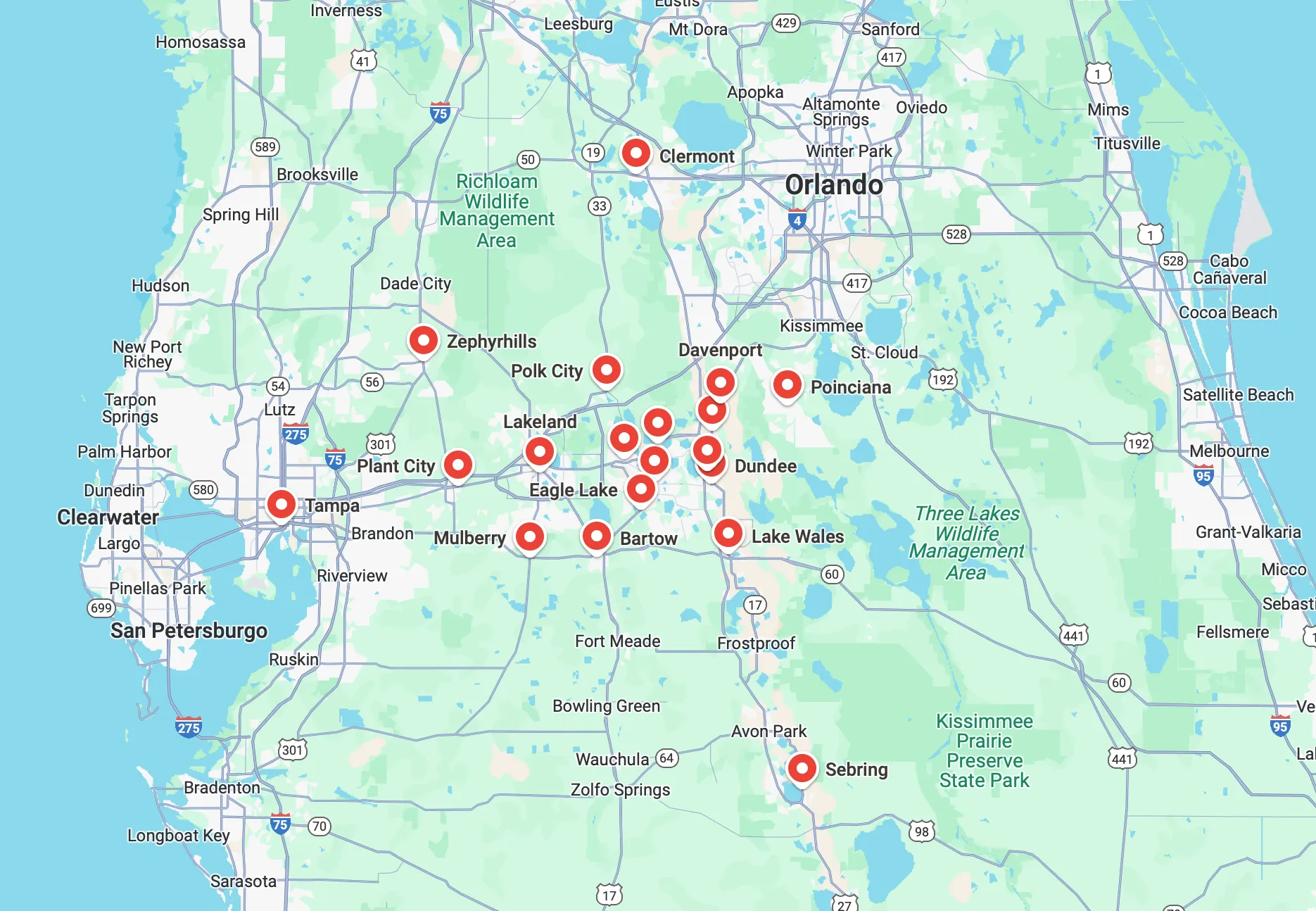
Service Areas