Heat Pump Installation in Bartow, FL
Heat Pump Installation in Bartow, FL
Installing a heat pump in Bartow, FL can deliver reliable year-round comfort, lower energy bills compared with electric resistance heating, and improved humidity control for your home.
Why a heat pump makes sense in Bartow, FL
Bartow’s hot, humid summers and mild winters make heat pumps an efficient choice. Modern heat pumps move heat rather than generate it, so they cool effectively during summer and provide efficient heating during cooler months. Humidity management is particularly important here, so selecting a system that addresses latent load as well as sensible cooling improves comfort and indoor air quality.
Site assessment and load calculations
A professional installation begins with a thorough site assessment and load calculation, not a rule-of-thumb sizing. Key steps include:
- Conducting a Manual J load calculation to determine heating and cooling requirements based on square footage, insulation, window orientation, attic conditions, and occupancy.
- Inspecting existing ductwork for leaks, insulation level, and proper sizing (Manual D).
- Evaluating electrical service capacity, breaker panel location, and any needed upgrades.
- Reviewing indoor humidity issues, roof insulation, and attic ventilation-common contributors to excessive cooling load in Bartow homes.
Accurate sizing prevents short cycling, poor humidity control, and premature wear. Oversized units may cool quickly but leave humidity high; undersized units run continuously and struggle during heat waves.
System sizing and model recommendations
When choosing a heat pump for a Bartow home, consider:
- Capacity sized from Manual J results, typically expressed in tons (1 ton = 12,000 BTU/h).
- Efficiency ratings: SEER (Seasonal Energy Efficiency Ratio) for cooling performance and HSPF (Heating Seasonal Performance Factor) for heating performance. Higher SEER/HSPF values reduce operating costs.
- Variable-speed or inverter-driven compressors for better humidity control and quieter operation.
- Matched indoor coil and properly sized ductwork to maintain warranty coverage and performance.
- Models with corrosion-resistant coatings on outdoor coils if the property is in a salt-prone microclimate, though Bartow is inland and less exposed than coastal areas.
Installation steps (placement, duct and electrical considerations, refrigerant handling)
A professional installation follows industry best practices:
- Placement: Locate the outdoor condenser on a level, vibration-isolated pad with at least recommended clearance for airflow and service access. Position to minimize heat recirculation and reduce noise impact.
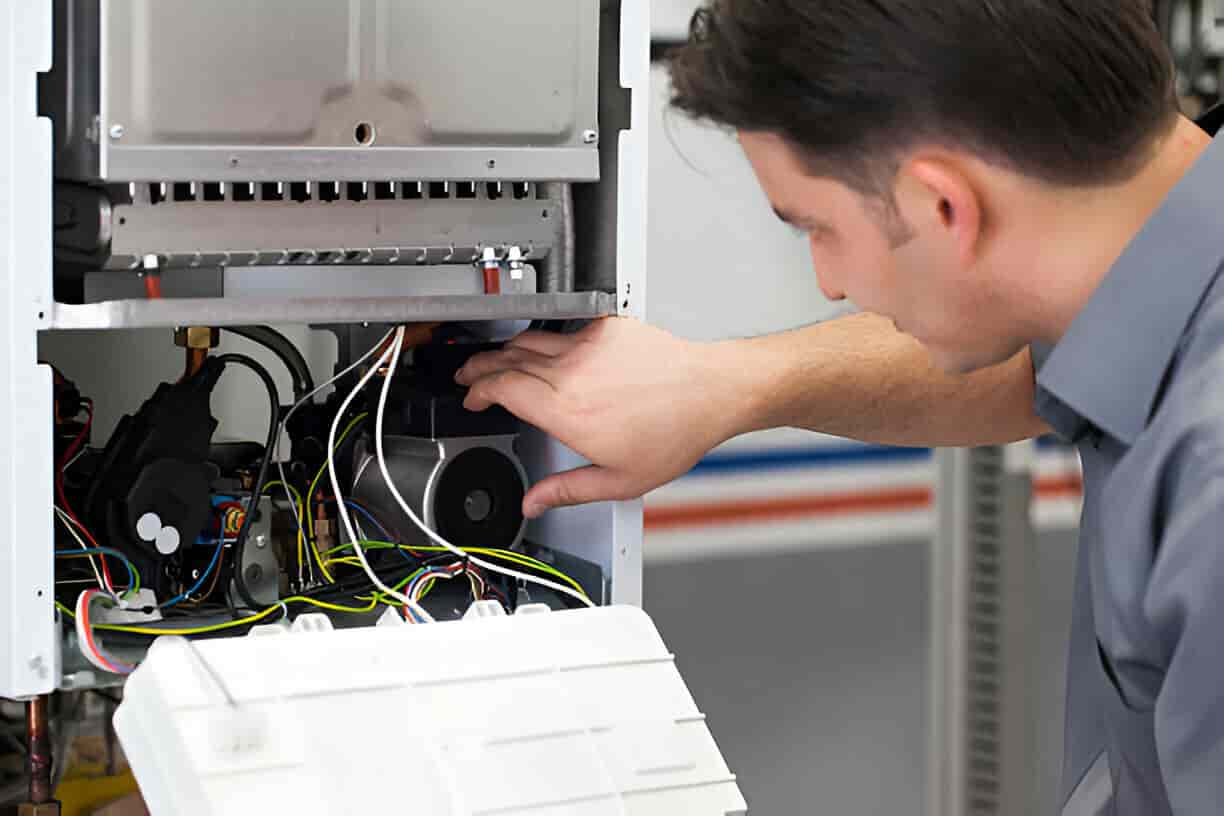
- Indoor unit and ductwork: Install the evaporator coil or air handler in an attic, closet, or utility area with proper condensate drain routing. Inspect and seal ducts, add insulation where needed, and correct return/supply imbalances.
- Electrical: Verify circuit amperage, install appropriately sized disconnects, and ensure the breaker and wiring match manufacturer specifications. Add surge protection when recommended.
- Refrigerant handling: Recover any existing refrigerant properly, braze and pressure-test new lines, evacuate to deep vacuum, and charge to manufacturer-recommended levels. Technicians should follow EPA refrigerant handling regulations and use leak detection to ensure long-term integrity.
- Controls and condensate: Install thermostats compatible with variable-speed systems and ensure condensate traps, float switches, and drain lines are correctly pitched and accessible.
Energy-efficiency options and upgrades
To maximize comfort and savings in Bartow:
- Choose high-SEER, high-HSPF equipment and inverter-driven compressors for variable capacity.
- Consider a two-stage or variable-speed air handler and an electronically commutated motor (ECM) to improve airflow efficiency.
- Use a smart or programmable thermostat that supports humidity set points and zoning controls for better temperature management.
- Improve home envelope: add attic insulation, seal gaps, and install shading or reflective roofing to reduce cooling load.
- Explore dehumidification options: dedicated dehumidifiers or systems with enhanced latent capacity help in high-humidity months.
Available rebates and financing (general guidance)
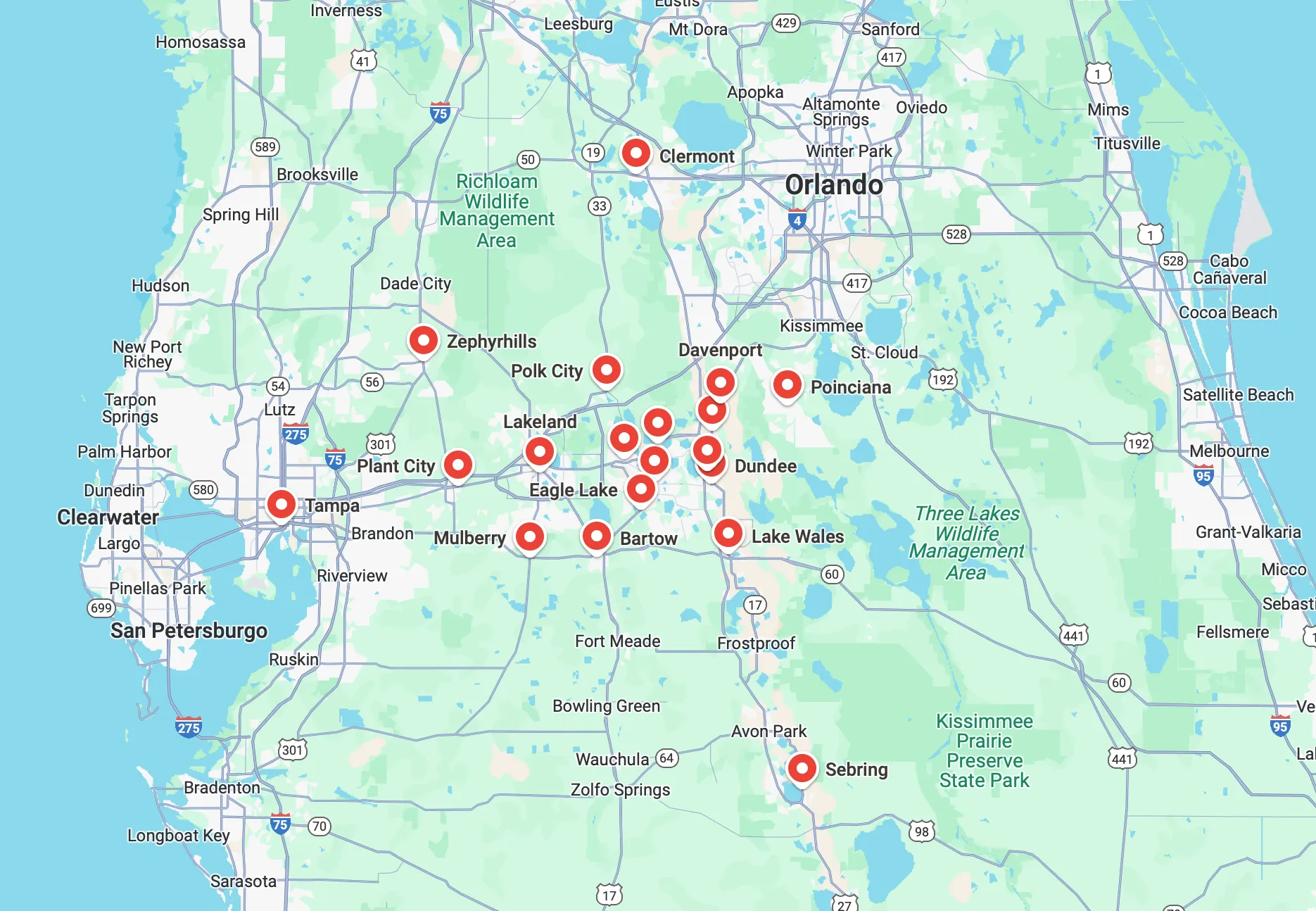
In Bartow and Polk County, homeowners commonly have access to utility rebates, manufacturer promotions, federal tax incentives, and local financing options for energy-efficient equipment. Eligibility often depends on equipment efficiency level and proper installation documentation. Typical pathways include:
- Utility or municipal energy-efficiency rebate programs for high-SEER systems.
- Manufacturer rebates for specific models or matched-system installations.
- State or federal tax credits for qualifying energy-efficient home improvements.
- Contractor-offered financing or third-party loans for HVAC upgrades.
Homeowners should request documentation of efficiency ratings and installation details to apply for rebates or incentives specific to their situation.
Commissioning and testing procedures
Proper commissioning ensures performance and longevity. A comprehensive startup includes:
- Verifying refrigerant charge by measuring superheat and subcooling per manufacturer guidelines.
- Measuring airflow (CFM) and static pressure to confirm proper blower settings and duct function.
- Checking electrical connections, amp draw, and correct voltage.
- Testing safety controls, defrost cycles, and reversing valve operation.
- Confirming thermostat calibration and control wiring.
- Performing a temperature split check and recording baseline performance metrics for future maintenance.
- Providing the homeowner with system documentation, operating instructions, and recommended maintenance schedules.
Common heat pump issues in Bartow and solutions
- High indoor humidity: Often due to oversized equipment, low runtime, or inadequate dehumidification. Solutions include resizing, adding variable-speed equipment, improving ducts, or adding dehumidification.
- Reduced cooling capacity during peak heat: Caused by dirty coils, low refrigerant, or restricted airflow. Regular seasonal maintenance prevents these problems.
- Short cycling: Usually a sign of incorrect sizing, thermostat placement, or refrigerant issues. Proper load calculation and correct installation are key.
- Corrosion or coil degradation: Less common inland, but regular inspection and coil cleaning help longevity.
Warranty and aftercare information
- Standard coverage: New heat pumps typically include limited parts and compressor warranties. Manufacturers often require correct installation and registration for full benefits.
- Extended and labor warranties: Extended parts or labor warranties may be available through manufacturers or contractors; review terms carefully.
- Recommended maintenance: Annual tune-up before the cooling season is essential in Bartow. Maintenance tasks include cleaning coils, checking refrigerant, inspecting and sealing ducts, replacing filters, cleaning condensate drains, and verifying controls.
- Record keeping: Keep installation paperwork, commissioning records, and maintenance logs to preserve warranty eligibility and support future service.
Heat pump installation in Bartow, FL requires attention to local climate impacts, precise sizing, careful duct and refrigerant work, and thorough commissioning. When installed and maintained correctly, a modern heat pump delivers consistent comfort, improved humidity control, and strong energy performance for Florida homes.

Customer Testimonials

Service Areas