AC Tune-Up in Tampa, FL
AC Tune-Up in Tampa, FL
Keeping your air conditioner tuned and running smoothly is essential in Tampa, FL, where long hot summers, high humidity, and salty coastal air put extra strain on cooling systems. A professional AC tune-up is a targeted visit that restores performance, improves efficiency, extends equipment life, and reduces the risk of mid-season breakdowns. Below is a clear explanation of what a standard AC tune-up includes, why it matters in Tampa homes, and what to expect from the service.
-min.jpeg)
Why an AC tune-up matters in Tampa, FL
Tampa residents rely on air conditioning year round. That constant use, combined with:
- high humidity that promotes mold and corrosion,
- salty air that accelerates coil and component wear near the coast,
- and frequent heavy-use periods during heat waves and hurricane season,means small issues can quickly become costly failures. Regular tune-ups catch problems early, keep refrigerant and airflow at optimal levels, and help prevent emergency repairs when you need cooling most.
Typical checklist for a standard AC tune-up
A full tune-up follows a systematic checklist to ensure safe, efficient operation. A typical visit includes:
- Visual system inspection - Evaluate outdoor unit, indoor components, visible ductwork, and thermostat setup.
- Cleaning coils - Clean condenser and evaporator coils to remove dirt, pollen, and salt buildup that reduce heat transfer.
- Checking refrigerant level - Measure refrigerant charge and look for signs of leaks; recommend leak testing if levels are low.
- Tightening electrical connections - Inspect and tighten wiring, check capacitors, contactors, and fuses for wear or overheating.
- Lubricating moving parts - Lubricate motors, fan bearings, and other moving parts where applicable.
- Calibrating thermostats - Verify thermostat accuracy, correct program settings, and confirm proper communication with the system.
- Verifying airflow - Inspect air filters, check supply and return vents, and measure temperature split across the evaporator coil.
- Drain line and pan check - Clear condensate drain lines and clean drain pans to prevent clogs and mold growth.
- Fan and blower inspection - Check fan blades, motor function, and belt condition on older units.
- Operational test - Run system through a full cycle to confirm temperatures, pressures, and sound levels are within expected ranges.
What the technician will diagnose and how
During the tune-up the technician will perform both visual and instrument-based checks:
- Measure refrigerant pressure and superheat/subcooling to confirm proper charge or identify leaks.
- Record supply and return air temperatures to calculate the temperature split, which should normally be about 15 to 20 degrees Fahrenheit for most systems.
- Use a multimeter to test voltage and amperage on motors and compressors to spot electrical stress or failing components.
- Inspect coil fins and straighten them if needed and safe to do.
- Check condensate flow with a small flush or compressed air to ensure the drain is clear.
If the technician finds a refrigerant leak, failing capacitor, or damaged fan motor, they will document the issue and outline repair options. The tune-up visit focuses on maintenance and diagnostics; repairs beyond routine items are typically handled separately.
Expected service time
- Most residential split-system tune-ups take about 60 to 90 minutes for a single-zone home system.
- Larger homes, older systems, or multi-zone setups can take 90 minutes to 3 hours, depending on complexity and any additional diagnostics required.
- If repairs are needed, those will add time and may require a follow-up visit if parts must be ordered.
Seasonal timing recommendations for Tampa
- Spring (March to May) - Best primary time. Tune-ups before the hottest months restore efficiency and help avoid early-season failures.
- Late summer or early fall - Valuable after heavy use to identify wear from prolonged run time and to prepare for hurricane season.
- Year-round for coastal homes - Consider annual inspections with stricter corrosion checks, and for older systems or high-use homes consider twice-yearly attention.
Performance and efficiency improvements you can expect
A thorough tune-up restores capacity and reliability. Typical benefits include:
- Improved cooling performance and more consistent indoor comfort.
- Better airflow and humidity control thanks to clean coils and verified blower operation.
- Reduced energy use compared to a neglected system; many homeowners see noticeable energy savings after cleaning coils and optimizing refrigerant and airflow.
- Longer equipment life by reducing stress on the compressor and motors.
- Lower risk of emergency breakdowns during peak demand.
Exact gains depend on system age and condition. A neglected system will see larger improvements than one that has been serviced regularly.
Common issues found during Tampa tune-ups
- Coil corrosion or salt buildup on outdoor units in coastal neighborhoods.
- Clogged condensate drains leading to overflowing pans and secondary water damage.
- Refrigerant leaks that reduce cooling capacity and increase runtime.
- Dirty or restricted airflow from neglected filters and ducts, worsening humidity control.
- Worn capacitors and relays causing intermittent starts or hard starting compressors after long runs.
Maintenance packages and service levels
Service offerings are typically structured around scope of work rather than price on this page. Common package options include:
- Basic tune-up - Visual inspection, filter check, thermostat calibration, basic safety and electrical checks, system cycle test.
- Comprehensive tune-up - All basic items plus coil cleaning, refrigerant level check, drain line service, lubrication, and airflow measurement.
- Seasonal/priority service - Comprehensive tune-up timed for peak season with additional emphasis on corrosion inspection and fast-response scheduling during storms or heat spikes.
Each package is designed to match different needs: basic care for newer units, comprehensive for older or heavily used systems, and seasonal plans for homes near the coast or with special reliability needs.
Maintenance tips between visits
- Replace or clean filters every 1 to 3 months depending on occupancy, pets, and pollen levels.
- Keep outdoor unit clear of debris, grass, and salt spray when possible.
- Maintain proper thermostat settings and consider a programmable or smart thermostat to reduce runtime without sacrificing comfort.
- Schedule inspections after storms or prolonged heavy use.
A professional AC tune-up in Tampa, FL is an investment in comfort, efficiency, and peace of mind. Regular tune-ups tailored to the unique climate and coastal conditions in Tampa reduce the likelihood of unexpected failures and help keep cooling costs under control.

Customer Testimonials

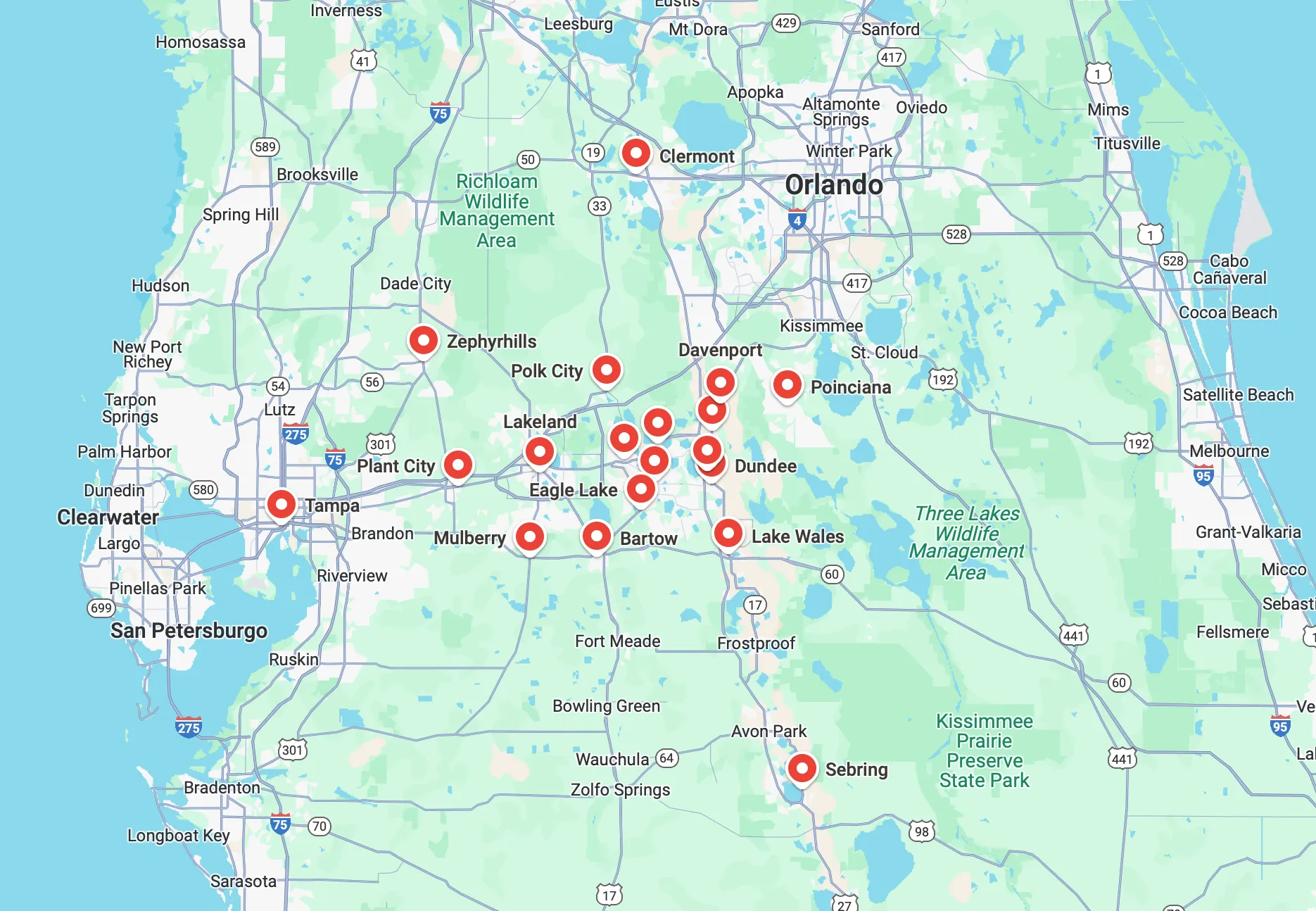
Service Areas