AC Repair in Tampa, FL
AC Repair in Tampa, FL
Keeping your air conditioning running reliably is essential in Tampa, FL, where high heat, humidity, and coastal salt air make efficient cooling a necessity for comfort and business continuity.
.jpeg)
Why timely AC repair matters in Tampa, FL
Tampa’s hot, humid climate puts continuous stress on cooling systems. Prolonged operation during heat waves increases wear on compressors, motors, and electrical components. Coastal locations also accelerate corrosion of outdoor coils and electrical connections, raising the risk of refrigerant leaks and failures. Prompt repair restores comfort faster, reduces energy costs, and prevents minor problems from becoming full system breakdowns.
Common AC repair issues in Tampa, FL
- Compressor failures: Overworked compressors can seize, short, or lose efficiency. Heat and restricted airflow are common causes in Tampa homes and businesses.
- Refrigerant leaks: Corrosion and vibration can lead to refrigerant loss, causing reduced cooling and frozen evaporator coils.
- Electrical failures: Burnt contactors, bad capacitors, and failing control boards are frequent in systems that run almost year-round.
- Thermostat problems: Incorrect calibration, wiring faults, or failed sensors result in improper cycling and uneven temperatures.
- Blower and fan malfunctions: Worn motors or dirty motors reduce airflow and system performance.
- Coil corrosion and blockages: Salt air and debris buildup on condenser coils lower heat transfer and increase run time.
- Drain and condensation issues: Clogged condensate drains can cause overflow and water damage, affecting indoor air quality.
Step-by-step diagnostic procedure
A systematic diagnostic approach narrows down root causes quickly and guides repair decisions. Typical steps include:
- Initial intake and history - Document symptoms, runtime patterns, recent noises, and any prior repairs or maintenance.
- Visual inspection - Check outdoor unit, refrigerant lines, access panels, wiring connections, and visible corrosion or debris.
- Thermostat and control verification - Confirm thermostat settings, verify voltage to controls, and check communication with system.
- Electrical testing - Measure voltage, current draw, and component continuity for capacitors, contactors, motors, and control boards.
- Refrigeration system check - Read pressures and temperatures to assess charge level and performance. Look for signs of leaks or oil stains.
- Airflow and duct evaluation - Measure static pressure and airflow to identify blockages, dirty filters, or failing blowers.
- Component-specific tests - Bench-test suspect parts such as capacitors, relays, motors, and sensors.
- Safety and performance assessment - Confirm refrigerant charge, ensure safe operation, and verify that efficiency meets expected parameters.
This organized diagnostic process minimizes guesswork and helps produce an accurate, itemized estimate for necessary repairs.
Typical repair options and parts used
Repairs depend on diagnosis and system type. Common repair actions and parts include:
- Compressor replacement or rewind - When compressors fail, replacement with a correct-capacity unit is standard for reliability.
- Refrigerant leak repair and recharge - Leak locating, repair of line sets or coil fittings, vacuuming the system, and recharging to manufacturer specification.
- Capacitor and contactor replacement - High-failure items that restore reliable start and run functions for compressors and fans.
- Control board and thermostat replacement - Fixes electronic failures and modernizes control when needed.
- Blower motor or fan motor replacement - Restores proper airflow and system balance.
- Condenser/evaporator coil repairs or replacements - Coil repairs or full coil replacements address corrosion and performance loss; coil cleaning and coatings help in coastal environments.
- Filter drier replacement and line service - Protects the refrigeration circuit when contaminants are present.
- Duct and drain cleaning or repair - Resolves airflow restrictions and condensation problems.
Parts used typically match OEM specifications for longevity, though high-quality aftermarket components may be appropriate in certain systems. Technicians should document part origins and compatibility with existing equipment.
Transparent estimates and warranty information
Accurate, transparent estimates are crucial for confident decision-making. A clear estimate typically includes:
- Itemized list of diagnosed problems
- Parts required, including brand and specification
- Labor hours and scope of work
- Any recommended upgrades or deferred repairs
Common warranty structures in Tampa include manufacturer warranties on replacement parts and separate labor warranties covering workmanship for a specified period. OEM parts usually carry manufacturer warranties, while aftermarket parts have their own coverage terms. Labor warranties vary; it is standard practice to provide written terms that specify what is covered and the duration. When coastal corrosion is a factor, warranty conditions related to corrosion should be clarified.
24/7 emergency AC repair in Tampa, FL and what to expect when scheduling
Heat-related failures and storm-related damage create urgent repair needs. Emergency AC repair services in Tampa generally include around-the-clock dispatch, priority diagnosis, and temporary measures to restore cooling while parts are sourced for permanent repair. In an emergency situation you can expect:
- Rapid response window with priority scheduling
- Safety-first measures to prevent further damage
- Temporary cooling solutions where possible
- Clear explanation of immediate fixes versus full repairs
Scheduling for non-emergency repairs often involves selecting an arrival window, providing system details (make, model, last maintenance), and receiving pre-visit expectations such as diagnostic fees, estimated time on site, and documentation provided after inspection.
Preventive maintenance and long-term benefits
Routine maintenance extends equipment life and reduces emergency repairs. Recommended practices for Tampa homes and businesses include:
- Seasonal tune-ups before high-demand periods
- Coil cleaning and protective coatings for coastal units
- Regular filter changes and airflow checks
- Electrical connection inspections to catch early deterioration
- Seasonal refrigerant and performance checks
Benefits of timely maintenance and repairs include improved energy efficiency, lower utility bills, fewer emergency breakdowns, more consistent indoor comfort, and better indoor air quality.
Final notes
AC repair in Tampa, FL requires attention to climate-driven issues like high humidity, frequent use, and coastal corrosion. A clear diagnostic process, itemized estimates, appropriate parts selection, and defined warranty terms help property owners and facility managers make informed decisions about repairs. Emergency coverage provides necessary protection during heat waves and storm seasons, while proactive maintenance reduces total lifecycle costs and improves system reliability.

Customer Testimonials

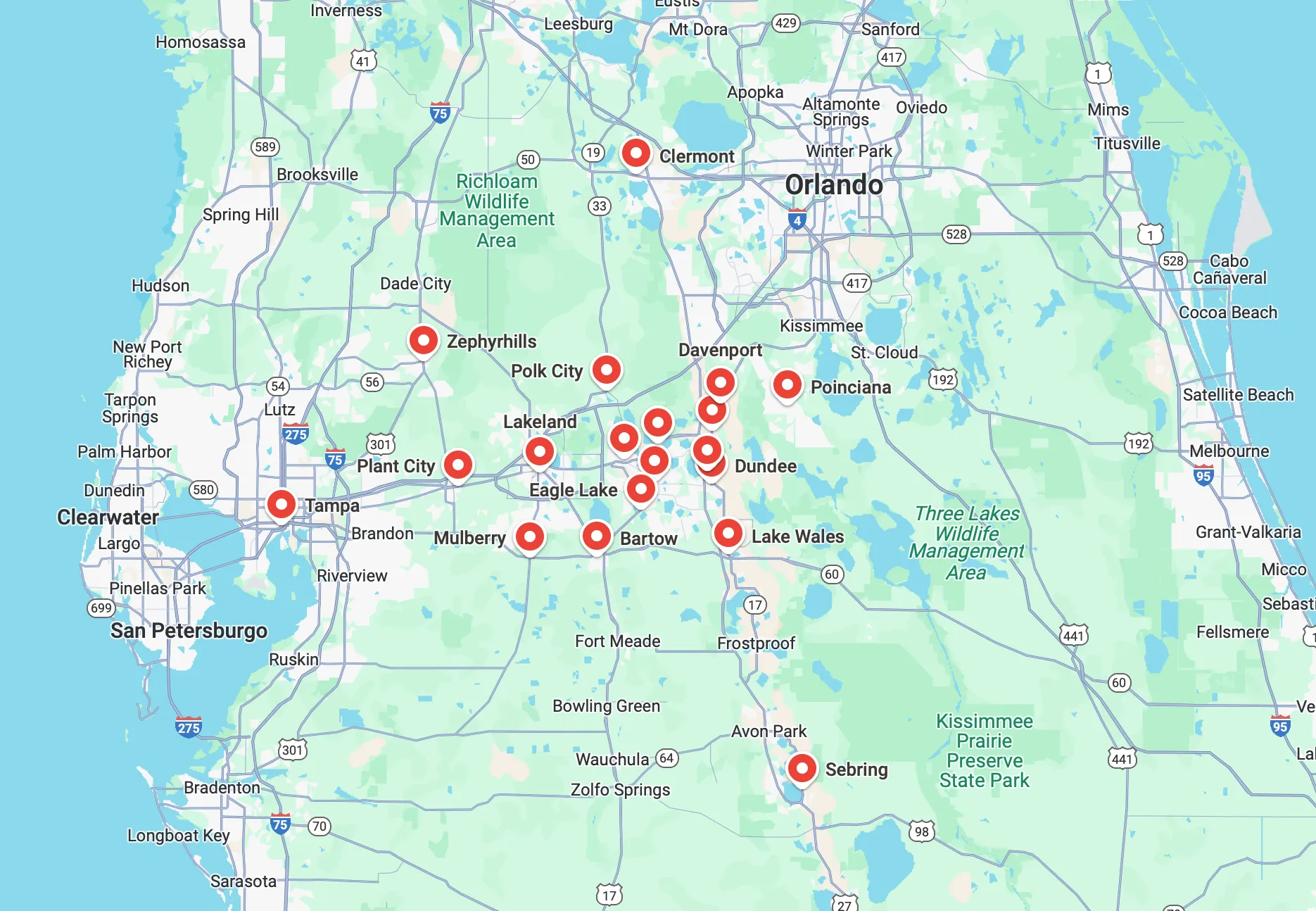
Service Areas