AC Tune-Up in Plant City, FL
AC Tune-Up in Plant City, FL
Keeping your air conditioner tuned up is one of the most effective ways to avoid mid-summer breakdowns and keep cooling costs manageable in Plant City, FL. With long, hot, humid summers, frequent thunderstorms, and seasonal pollen from surrounding agricultural areas, local homes put extra demand on HVAC systems. A professional AC tune-up focuses on performance, reliability, and indoor comfort - giving you confidence that your system will run efficiently when you need it most.
.webp)
What a typical AC tune-up includes
A full tune-up is a systematic inspection and adjustment of your system to correct small problems before they become failures. Technicians typically inspect and adjust the following components and systems:
- Outdoor unit cleaning: Remove dirt, leaves, pollen, and debris from condenser coils and fins to restore efficient heat transfer. In Plant City, agricultural dust and pollen can build up quickly on outdoor coils.
- Indoor coil and drain line inspection: Check and clean the evaporator coil as needed and clear the condensate drain to prevent clogs and mold growth that cause moisture issues and secondary damage.
- Refrigerant check and pressures: Measure system pressures to confirm proper refrigerant level and look for signs of leaks or undercharge that reduce cooling capacity.
- Electrical system inspection: Tighten electrical connections, inspect contactors and capacitors, and test safety switches to reduce the risk of shorts and component failures, especially after summer storms.
- Lubrication of moving parts: Lubricate fan motors and other moving parts where applicable to reduce wear and noise.
- Blower and airflow assessment: Clean or inspect the blower wheel and measure airflow to ensure proper distribution and prevent overheating.
- Thermostat calibration: Verify thermostat accuracy and settings so the system cycles correctly and delivers consistent comfort.
- Operational run tests: Run the system to observe startup, cycling, temperature drop, and listen for abnormal noises.
Diagnostic process - what technicians will do and why it matters
During a tune-up, a technician follows a step-by-step diagnostic checklist to identify performance and safety issues:
- Visual inspection of the entire system for corrosion, leaks, or physical damage - common where humidity and salt air accelerate wear.
- Electrical testing - measuring voltages and amperages to identify stressed components that can fail under load after multiple hot days.
- Refrigerant pressure readings - low refrigerant is the most common cause of poor cooling and higher energy use.
- Airflow and duct inspection - restricted airflow from dirty filters or ducts reduces efficiency and strains the compressor.
- Operational performance checks - monitoring temperature differential and run times to verify the system is delivering expected cooling.
These diagnostics allow the technician to prioritize repairs and recommend targeted solutions rather than guesswork.
Expected duration
A standard tune-up for a single residential split-system typically takes about 60 to 90 minutes. Factors that extend time include heavily soiled coils, complex ductwork issues, multiple indoor units, or systems that require refrigerant recovery/testing. If additional repairs are needed, the technician will identify them during the tune-up, but the basic inspection and preventive work usually fits within the 60–90 minute window.
Recommended frequency in Plant City, FL
- Annual tune-up: For most modern systems, one annual professional tune-up before the cooling season (March to April) is recommended to prepare the system for sustained summer use.
- Biannual consideration: Homes with older systems (10+ years), heavy use, or known duct issues may benefit from two tune-ups per year — spring and late summer — to catch wear and tear caused by prolonged high-demand periods.
- After storms or outages: Schedule an inspection after major thunderstorms, flooding, or repeated power outages to verify electrical components and controls are intact.
Performance checks you should expect
A thorough tune-up includes measurable performance checks so you know the system is working correctly:
- Temperature split (delta T): The difference between return and supply air should typically be in the 15–20°F range for most systems when running under normal conditions.
- Pressure and refrigerant readings: Confirm refrigerant levels are within manufacturer specifications.
- Amp draw and voltage: Motor loads and power supply checked against safe operating ranges to detect failing capacitors or motors.
- Airflow estimation: Assess whether CFM is within expected limits; poor airflow causes reduced capacity and frozen coils.
- Safety control tests: Verify the condenser and evaporator safety switches, and thermostat controls function properly to prevent damage.
These checks help ensure reliable performance and provide a baseline for future maintenance.
Common AC issues in Plant City and how tune-ups address them
- Clogged coils and reduced capacity: Pollen and agricultural dust coat coils in spring - cleaning during a tune-up restores cooling efficiency.
- Refrigerant loss or leaks: Undetected low refrigerant causes longer run times and compressor stress; pressure testing and leak inspection find problems early.
- Electrical wear after storms: Loose connections or degraded capacitors can fail during high summer demand; tightening and testing reduce sudden failures.
- Clogged drain lines and indoor humidity: High humidity in Plant City increases condensate; clearing drains and checking pans prevents overflow and mold.
- Thermostat inaccuracies: Miscalibrated thermostats make the system run inefficiently; calibration improves temperature control and comfort.
Benefits of regular AC tune-ups
- Improved energy efficiency and lower utility waste
- Fewer emergency repairs and reduced risk of mid-season failures
- Longer system lifespan through reduced mechanical stress
- More consistent home comfort and humidity control
- Cleaner indoor air when coils and drains are maintained
Maintenance tips for Plant City homes between tune-ups
- Replace or clean your air filter every 1–3 months during heavy use to protect the coil and maintain airflow.
- Keep outdoor condenser area clear of vegetation, mulch, and debris; aim for at least 2 feet of clearance.
- Monitor thermostat settings and program setbacks prudently to reduce run time without sacrificing comfort.
- After major pollen seasons or storms, visually inspect outdoor components for buildup or damage and consider having a technician recheck operations.

Customer Testimonials

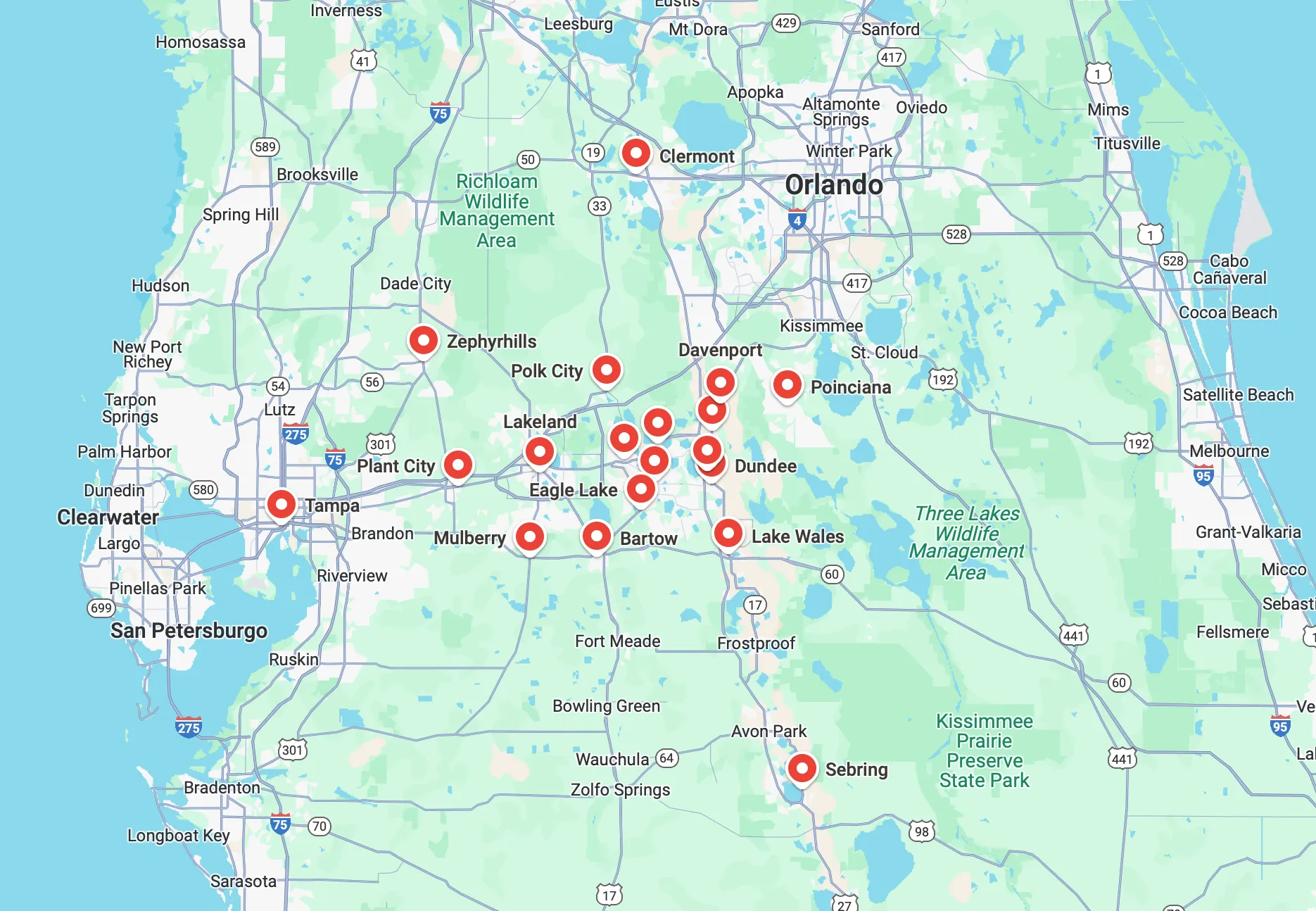
Service Areas