AC Repair in Plant City, FL
A emergency and routine AC repair services in Plant City, FL, with a focus on keeping systems reliable through hot summers and high humidity. It describes common problems (low refrigerant, weak airflow, ice on coils, electrical faults), a structured diagnostic process (inspection, operation check, electrical testing, airflow assessment, refrigerant service, component isolation), and typical repairs (capacitors, blower motors, compressors, control boards, refrigerant leaks, thermostat calibration). It also covers repair timelines, warranty information, preventive maintenance tips, and what to expect when scheduling service.
.jpeg)
AC Repair in Plant City, FL
Keeping your air conditioning running reliably in Plant City, FL is essential. With long, hot summers, high humidity, and seasonal storms, even small AC problems can quickly turn into system failures that leave your home uncomfortable and at risk for moisture-related damage. This page explains what to expect from emergency and routine AC repair services in Plant City, FL, common fault diagnostics, typical repair procedures and components, realistic timelines, warranty and parts information, and practical tips to prevent future breakdowns.
Why timely AC repair matters in Plant City, FL
- High cooling demand from April through October increases wear on compressors, motors, and capacitors.
- Humidity accelerates coil corrosion and mold growth in drain pans and ductwork.
- Storms and power fluctuations can damage electrical components and control boards.
- Local agricultural dust and pollen can clog filters and coils faster than in other areas.
Addressing problems early reduces the chance of a major failure during heat waves, helps maintain system efficiency, and protects indoor air quality in homes near farms and open fields.
Common AC problems in Plant City and likely causes
- Unit not cooling: low refrigerant from leaks, failing compressor, or restricted airflow from dirty filters and coils.
- Short cycling: oversized system, failing pressure controls, faulty thermostat, or refrigerant issues that cause the compressor to overheat.
- Weak airflow: clogged filters, failing blower motor, blocked ducts, or collapsed flex duct sections.
- Unusual noises: loose fan blades, failing bearings in motors, refrigerant slugging, or debris in the condenser.
- Frequent tripping of breakers: electrical short, bad capacitors, or an overworked compressor.
- Ice on evaporator coil: low refrigerant, poor airflow, or faulty defrost controls in heat pump systems.
- Water leaks inside home: clogged condensate drain, cracked drain pan, or frozen coil thawing and overflowing.
Diagnostic process: how technicians locate the problem
Technicians follow a structured diagnostic workflow to identify root causes quickly and accurately:
- Initial inspection: visual check of outdoor condenser, indoor air handler, filter condition, and thermostat settings.
- Operational check: run the system to observe behavior, listen for abnormal sounds, and record temperature differentials.
- Electrical testing: measure voltage and amperage to motors, compressor, and control circuits; test capacitors and relays.
- Airflow assessment: inspect blower function, ductwork, and registers; measure static pressure when needed.
- Refrigerant service: check pressure and perform leak detection if levels are low; inspect coils for frosting or damage.
- Component isolation: swap or bench-test suspect components when safe to do so to confirm failures.
Technicians will explain findings in plain terms, prioritize safety, and outline repair options based on the system age, efficiency goals, and urgency.
Typical repairs and component replacements
- Capacitor and relay replacements: common, quick fixes for motors that will not start or that cause breaker trips.
- Blower motor replacement or repair: addresses weak or no airflow; may include bearings and fan blade balancing.
- Compressor repair or replacement: major repair reserved for severe mechanical failure; often weighed against system age and efficiency.
- Contactor and control board replacement: fixes intermittent operation or complete failure of outdoor unit controls.
- Refrigerant leak detection and repair: includes locating and sealing leaks, replacing damaged coils or lines as necessary, and recharge where permitted.
- Thermostat replacement or calibration: resolves inaccurate temperature control and communication issues with modern systems.
- Coil cleaning and fin repair: improves heat transfer and system efficiency; may prevent future compressor strain.
- Condensate drain clearing and drain pan repair: prevents indoor water damage and mold growth.
When replacing components, technicians typically use manufacturer-recommended parts for compatibility and longevity. For older systems, technicians may recommend evaluating replacement vs repair based on age and overall condition.
Estimated repair timelines and factors that affect how long repairs take
- Quick fixes: capacitor or relay changes, filter replacements, and condensate drain clears often take 30 minutes to 2 hours.
- Moderate repairs: blower motor swap, fan motor replacement, or control board replacement generally take 2 to 4 hours.
- Major repairs: compressor replacement, refrigerant line repairs, or extensive coil work can take half a day to a full day and sometimes require follow-up visits.
Timelines depend on part availability, accessibility of the equipment, permit needs for refrigerant work, and whether additional diagnostics reveal secondary issues. Emergency services for systems that fail during extreme heat may involve prioritization and expedited parts sourcing.
Warranty and parts information
- Many manufacturers provide separate warranties for compressors, sealed system components, and replacement parts. Coverage varies by brand and model year.
- Aftermarket replacement parts often come with limited warranties from suppliers or manufacturers; length and coverage differ from OEM warranties.
- Repairs performed on systems still under manufacturer warranty should be documented with serial numbers and model information to preserve coverage.
- Keep records of past maintenance, receipts, and any service reports to streamline warranty claims and to document the system history for future decisions.
Before major repairs, review warranty documentation on your unit to understand coverage limits and any preconditions for valid claims.
Preventive maintenance and tips for Plant City homes
- Change filters monthly during heavy pollen season and at least every 1 to 3 months year-round to maintain airflow and indoor air quality.
- Schedule seasonal tune-ups before peak cooling season to test refrigerant levels, clean coils, check electrical components, and lubricate moving parts.
- Keep outdoor unit clear of vegetation, grass clippings, and debris; provide at least 2 feet of clearance for airflow.
- Protect from storm damage: secure outdoor units during hurricane season and have a plan for post-storm inspections after power surges or flooding.
- Use programmable thermostats to reduce runtime and wear while maintaining comfort during daytime heat.
- Monitor performance: note rising energy bills, longer run times, or uneven cooling as early warning signs that service is needed.
- Address humidity: ensure proper drainage and consider whole-home dehumidification if indoor humidity remains high despite functioning cooling.
What to expect when scheduling service
- Emergency service: response prioritization for systems that pose health or safety risks or for complete cooling loss during extreme heat.
- Routine service: scheduled appointments with an estimated arrival window, inspection steps explained before work begins, and an itemized estimate for recommended repairs.
- Technician arrival: expect a professional inspection, a clear explanation of findings, and options for repair or replacement with pros and cons for each path.
- Preparation for appointment: provide system model and serial numbers if available, clear access to indoor and outdoor units, and note any recurring symptoms you have observed.
- After repair: technicians commonly test the system to confirm resolved issues, provide service documentation, and explain any warranty coverage for parts and labor that apply.

Customer Testimonials

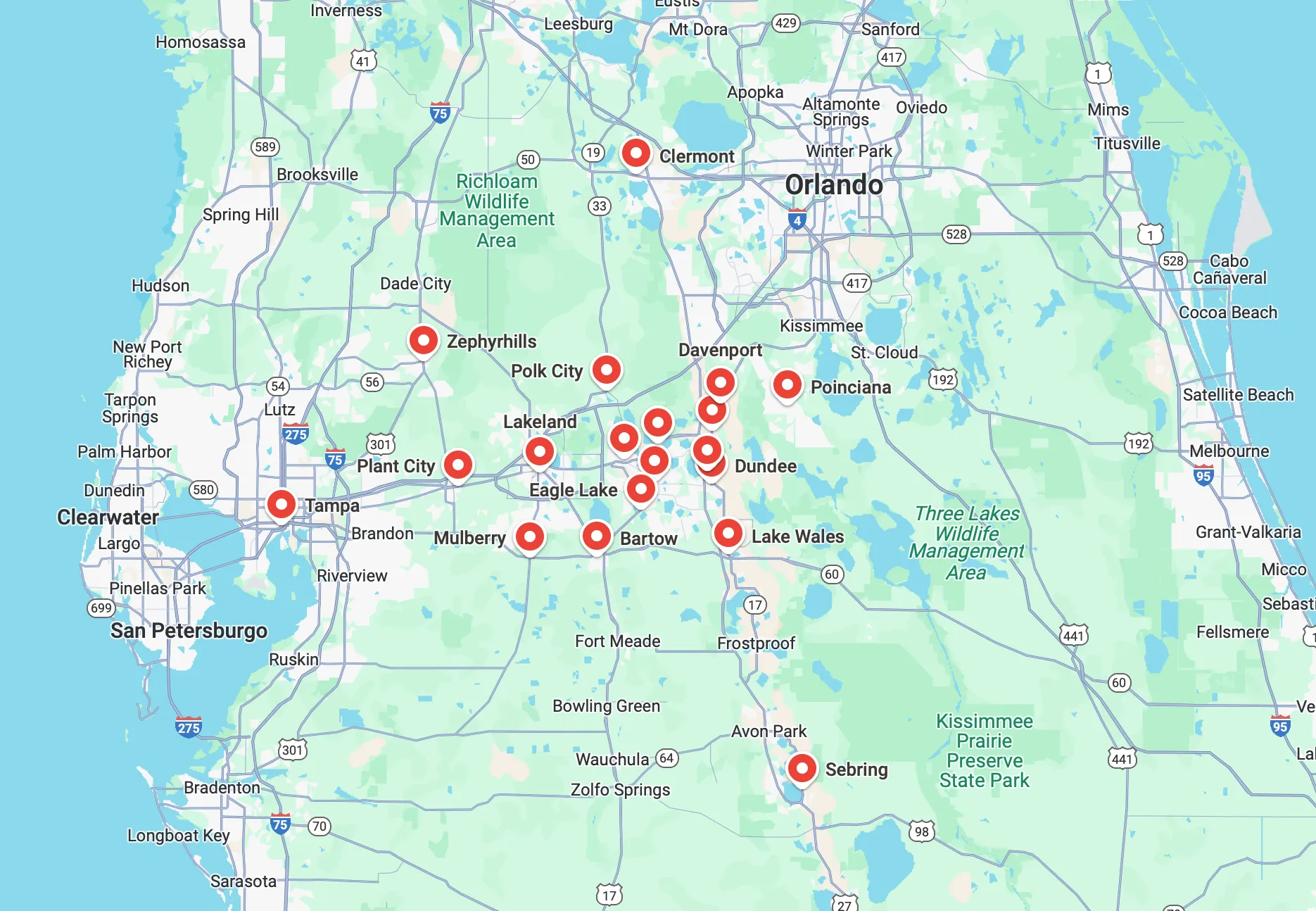
Service Areas