AC Tune-Up in Davenport, FL
A professional AC tune-up tailored for Davenport, FL homes improves reliability and efficiency in Central Florida's climate. It covers what a typical visit includes (filters, coils, condensate drain, refrigerant checks, electrical tests, thermostat calibration, airflow, safety), common Davenport problems (restricted airflow, leaks, high energy use, unusual noises, odors), diagnostic steps, expected outcomes (better air conditioning performance, lower energy use, quieter operation, healthier indoor air), and recommended tune-up frequency.
-min.jpeg)
AC Tune-Up in Davenport, FL
Keeping your air conditioning tuned and ready is essential in Davenport, FL, where long, hot summers and high humidity put constant strain on HVAC systems. A professional AC tune-up prevents breakdowns during peak heat, improves energy efficiency, extends equipment life, and helps maintain comfortable indoor humidity and air quality.
Why a tune-up matters in Davenport, FL
Davenport residents face a climate that accelerates wear on air conditioners. High humidity makes systems run longer to remove moisture, increasing compressor runtime and energy use. Pollen, dust, and landscape debris common in Central Florida collect on coils and filters, reducing airflow and efficiency. Summer thunderstorm activity and occasional power fluctuations can stress electrical components. A thorough tune-up addresses these regional stressors so your system runs reliably and efficiently when you need it most.
Common AC problems we see in Davenport homes
- Weak or uneven cooling in different rooms, often caused by restricted airflow or duct issues.
- Rising energy bills from clogged coils, dirty filters, or low refrigerant.
- Frequent short-cycling (system turns on and off rapidly), which wears components and reduces comfort.
- Water leaks or overflowing drain pans due to clogged condensate drains or blocked condensate lines.
- Strange noises (buzzing, rattling, grinding) from loose parts, failing motors, or worn bearings.
- Musty or moldy odors caused by microbial growth on coils or in the drain line under humid conditions.
What a typical AC tune-up visit includes
A professional AC tune-up is a systematic inspection and maintenance process. Typical tasks performed during a visit:
- Visual inspection of the entire system: indoor and outdoor units, duct connections, insulation, and drain lines.
- Replace or inspect the air filter and recommend the appropriate MERV level for your home and system.
- Clean and inspect evaporator and condenser coils to restore heat-transfer efficiency.
- Clear and flush the condensate drain and check the drain pan to prevent clogs and mold growth.
- Check and adjust refrigerant levels; test for leaks if refrigerant is low and measure superheat/subcooling for proper charge.
- Tighten electrical connections, inspect contactors and relays, and measure voltage and current to key components.
- Test capacitors, motors, and start/run components for proper operation and signs of wear.
- Lubricate moving parts where applicable to reduce friction and extend component life.
- Calibrate and test the thermostat for accurate temperature control and scheduling; verify temperature differential (delta T) across evaporator coil.
- Verify airflow at registers and assess ductwork for obvious leaks, blockages, or insulation issues.
- Measure system performance: operational pressures, temperatures, and run times to ensure the unit meets expected cooling capacity.
- Inspect outdoor unit location and airflow clearance; remove vegetation or debris that restricts airflow.
- Safety checks including verifying proper operation of safety switches and controls, and inspecting refrigerant lines for damage or inadequate insulation.
How technicians diagnose performance
Technicians combine visual inspection with measured data to diagnose issues efficiently. Typical diagnostic steps include:
- Measuring return and supply air temperatures to calculate the temperature split and assess cooling effectiveness.
- Reading refrigerant pressures and electrical values to identify undercharge, overcharge, or electrical faults.
- Observing compressor and fan behavior during start and run to detect mechanical or electrical stress.
- Inspecting drain pan and condensate line under load to confirm proper drainage when humidity is high.
- Using airflow measurements and filter inspection to pinpoint restricted airflow problems that affect efficiency.
These diagnostics let a technician prioritize repairs or adjustments that produce the biggest improvement in comfort and efficiency.
Expected outcomes and tune-up checklist
After a complete AC tune-up, you should expect:
- Improved cooling performance and more consistent temperatures throughout the home.
- Lower energy consumption and better system efficiency under normal usage.
- Reduced risk of mid-summer breakdowns due to tightened connections and early detection of worn parts.
- Cleaner indoor air and fewer odors from cleared drains and cleaned coils.
- Smoother, quieter operation from lubricated motors and tightened components.
- A documented list of findings and recommended follow-up repairs if any issues were detected.
Tune-up checklist (what the technician should complete or report):
- Filter inspection/replacement and recommended filter type.
- Coil cleaning (evaporator and condenser).
- Condensate drain clearing and pan check.
- Refrigerant level check and leak flagging if required.
- Electrical connection tightening and component testing.
- Capacitor and motor condition check.
- Thermostat calibration and control verification.
- Airflow and duct inspection.
- Measured performance values (temperature split, pressures, amperage) recorded.
- Safety control verification.
Recommended tune-up frequency for Davenport, FL
- Annual tune-up: At minimum, schedule a complete tune-up once a year, ideally in spring before peak cooling season. This prepares systems for the highest demand months and helps prevent emergency repairs.
- Twice-yearly service: For older systems, homes with high indoor humidity, or properties with heavy AC use (vacation rentals or multi-family units), consider inspections in both spring and fall to address wear from continuous operation and seasonal transitions.
- After storms or power outages: Consider a targeted inspection if your home experienced a severe storm or power surge, since electrical components can be stressed or damaged.
Simple maintenance tips to extend time between major repairs
- Replace or clean filters every 1–3 months based on filter type and home conditions.
- Keep outdoor unit clear of vegetation and debris; maintain at least 2 feet of clearance for proper airflow.
- Keep attic and duct insulation in good condition to reduce load on the system.
- Monitor indoor humidity and use exhaust fans when cooking or showering to reduce system load.
- Note and document any changes in sound, cooling, or cycling so issues get addressed quickly.

Customer Testimonials

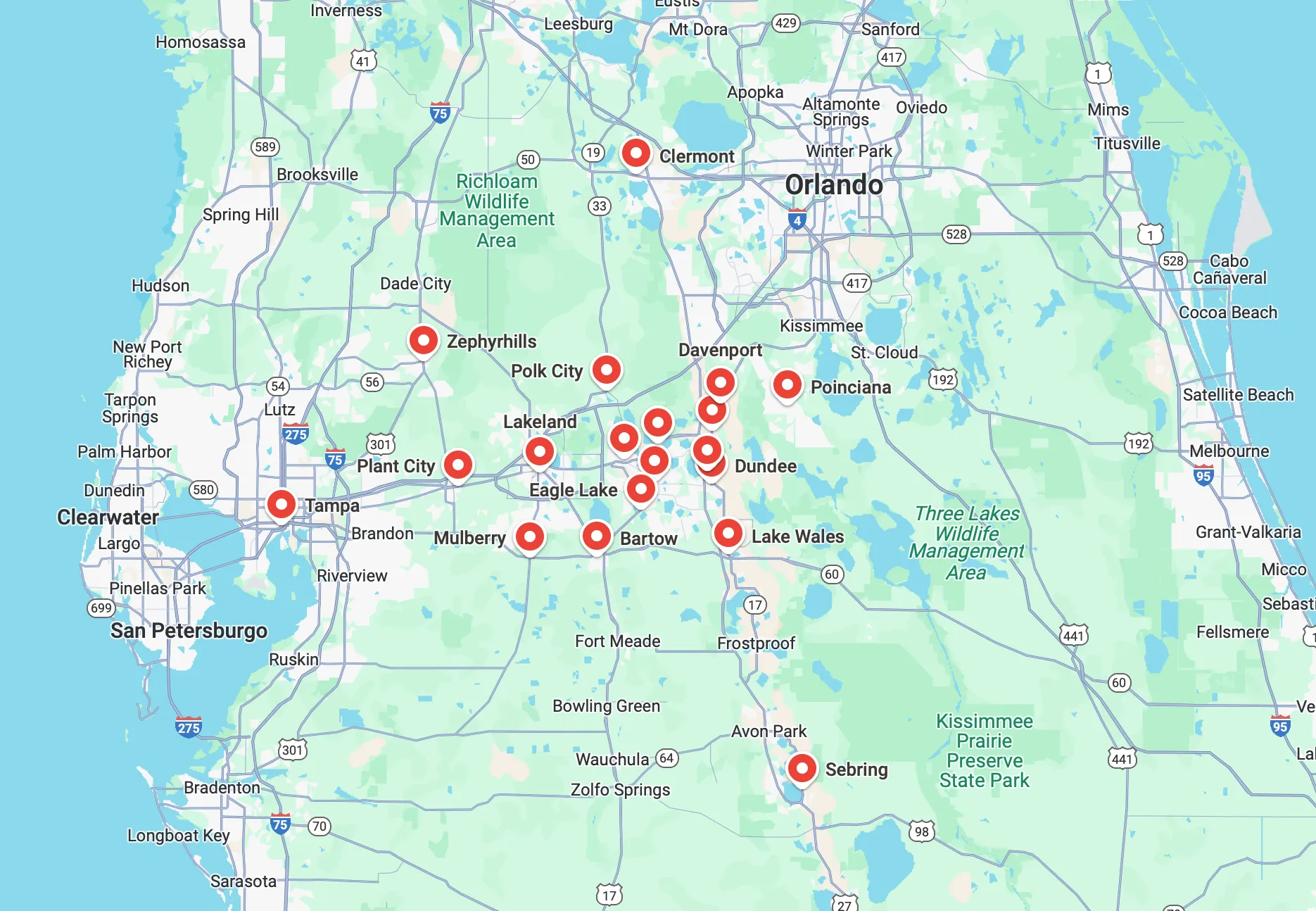
Service Areas