AC Replacement in Davenport, FL
AC Replacement in Davenport, FL
Replacing your home air conditioning system is a big decision in Davenport, FL. With long, hot, humid summers and high cooling demand, an inefficient or failing AC can mean uncomfortable nights, rising energy bills, and frequent repairs.
.webp)
When to replace vs repair
Know when replacement is the smarter long-term choice:
- Age of the unit: Most central AC units older than 10 to 15 years lose efficiency and reliability. Older units often use R-22 refrigerant, which is phased out and expensive to service.
- Frequent repairs: If you are repairing the system multiple times a year or facing major component failures (compressor, coil), replacement is usually more cost-effective.
- Repair cost threshold: As a general rule, consider replacement if a single repair costs more than 50% of a new system or if cumulative repairs approach that level.
- Comfort and efficiency: If your home has hot or humid rooms, uneven cooling, or steadily rising cooling bills, a new properly sized system will improve both comfort and operating costs.
- Future-proofing: Newer systems provide better humidity control, variable-speed options, and higher SEER ratings that are beneficial in Davenport’s humid climate.
System sizing and load calculations
Proper sizing is essential. Oversized or undersized equipment causes short cycling, humidity problems, and inefficiency.
- Manual J load calculation: A professional will perform a Manual J to account for your home’s square footage, insulation, window orientation, number of occupants, and local climate factors such as Davenport’s heat and humidity.
- Manual S equipment selection: After load calculation, a Manual S helps match the right equipment capacity and features.
- Ductwork evaluation: Many older Florida homes need duct sealing, insulation, or resizing. Leaky or undersized ducts reduce efficiency and comfort even with a new unit.
- Consider humidity control: In humid climates, consider systems with variable-speed blowers or dedicated dehumidification strategies to maintain comfort without overcooling.
Energy-efficient models and SEER ratings
SEER (Seasonal Energy Efficiency Ratio) measures cooling efficiency. Higher SEER equals lower operating costs.
- Typical options: In Florida, SEER ratings commonly range from 14 to 26. Upgrading from a 10 or 12 SEER unit to a 16+ SEER system can significantly reduce energy use.
- Real-world savings: Replacing an older 10 SEER unit with a 16 SEER model often reduces cooling energy use by roughly 30 to 40 percent, depending on usage patterns and duct efficiency.
- Advanced features: Variable-speed compressors and multi-stage units deliver better humidity control and more consistent temperatures, which improve comfort during Davenport’s muggy months.
- Long-term value: Higher SEER systems often cost more upfront but yield lower monthly bills and may qualify for incentives.
Removal and disposal of old equipment
Proper disposal protects the environment and meets regulations.
- Refrigerant recovery: Certified technicians must recover refrigerant per EPA rules before removing the old system.
- Recycling and disposal: Metal, copper, and other components are recycled when possible; proper disposal of contaminated parts is handled according to local regulations.
- Permit and code compliance: Replacement often requires local permits and inspections to ensure compliance with Florida building codes and safety standards.
Installation timeline
Typical timelines and what to expect:
- Initial assessment and quote: 1 to 3 days for scheduling and evaluation.
- Permitting and equipment delivery: Permit turnaround and equipment lead times can add several days to a few weeks depending on model availability.
- Installation day(s): Most replacements are completed in 1 to 2 working days for standard split systems. Complex jobs with ductwork upgrades or structural changes may take longer.
- Testing and commissioning: Final testing, refrigerant charging, airflow balancing, and a homeowner walkthrough typically add a few hours after installation.
Rebates, incentives, and financing options
There are multiple avenues that can lower upfront cost:
- Utility and local rebates: Many energy providers and local programs offer rebates for high-efficiency equipment. Availability varies by season and provider.
- State and federal programs: State-level incentives or federal tax provisions may be available for qualifying energy-efficient upgrades; documentation and equipment specifications may be required.
- Financing: Homeowners commonly use HVAC financing or home improvement loans to spread payments over time. Terms and eligibility vary by lender.Always verify current programs and eligibility before purchase.
Warranty details
Understand the protection that comes with a new system:
- Manufacturer warranty: Typically covers major components like the compressor for 5 to 10 years, sometimes longer with registration.
- Parts and labor: Manufacturer warranty often covers parts; labor warranties are provided by the installer and vary in length.
- Extended coverage: Optional extended warranties or maintenance plans may be available to extend protection beyond the standard term. Make sure warranties are documented at installation.
Expected energy savings and comfort improvements
A properly selected and installed replacement will deliver:
- Lower energy bills: Expect roughly 20 to 40 percent lower cooling energy use compared to older, lower-SEER units, depending on the starting efficiency and duct system.
- Better humidity control: Variable-speed systems and proper sizing reduce indoor humidity for more comfortable air without overcooling.
- Quieter operation and consistent temperatures: Modern units run quieter and maintain steadier temperatures throughout the home.
- Reduced maintenance and repairs: New equipment reduces the frequency of emergency repairs and increases reliability during Davenport’s peak cooling season.
Step-by-step replacement process
- Initial assessment: Inspect current system, ductwork, electrical service, and access. Discuss comfort goals and budget.
- Load calculation: Perform Manual J and Manual S to determine proper capacity and equipment features.
- Proposal and selection: Review equipment options, expected savings, warranties, and timeline.
- Permitting: Submit permit applications as required by local codes.
- Removal of old system: Recover refrigerant, disconnect electrical and mechanical components, and remove the unit for recycling or disposal.
- Duct and pad prep: Repair or modify ductwork, set new pad or platform, and prepare condensate drainage.
- Installation: Mount condenser, install evaporator coil, run refrigerant lines, electrical connections, and thermostat setup.
- Charging and commissioning: Evacuate and charge refrigerant, test pressures, balance airflow, and verify system performance.
- Final inspection and handoff: Complete permits/inspections, explain operation and warranty registration paperwork, and provide maintenance advice.

Customer Testimonials

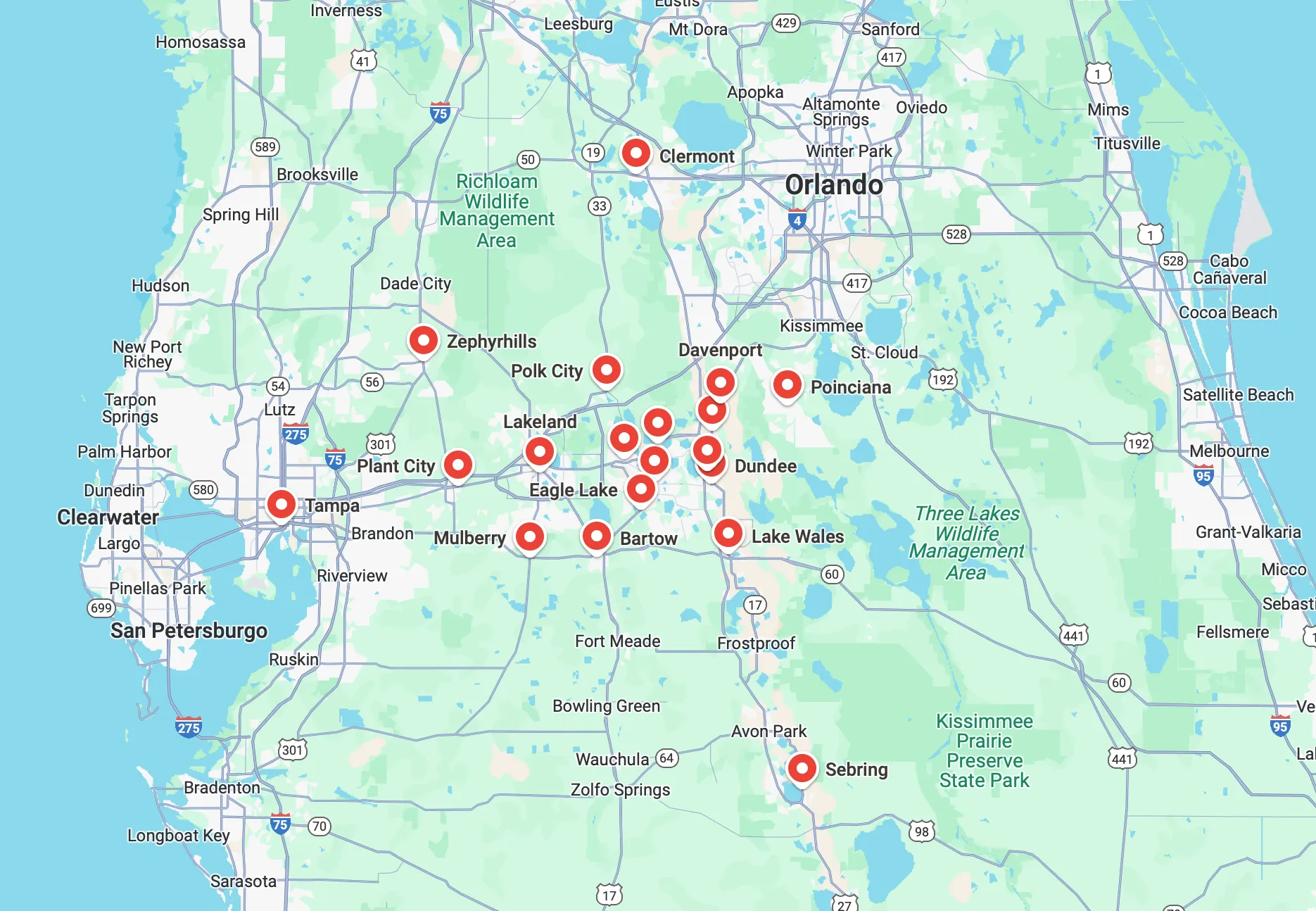
Service Areas