AC Repair in Eagle Lake, FL
AC Repair in Eagle Lake, FL
A working air conditioning system is essential in Eagle Lake, FL, where long, hot summers and high humidity put constant demand on residential and light commercial HVAC equipment. Faulty cooling not only reduces comfort but raises energy bills, accelerates wear, and can create indoor air quality problems.
.jpeg)
Common AC repair issues in Eagle Lake, FL
Homeowners in Eagle Lake most often call for these problems:
- No cooling or weak cooling: often caused by low refrigerant, compressor failure, blocked coils, or airflow restrictions.
- Refrigerant leaks: common after years of service or corrosion in coils and lines; leaks reduce efficiency and can damage the compressor.
- Compressor faults: signs include loud clunks, tripping breakers, or the outdoor unit failing to start.
- Electrical failures: bad capacitors, contactors, relays, or wiring damaged by heat and occasional storm surges.
- Thermostat problems: incorrect calibration, dead batteries, or communication issues with smart thermostats.
- Frozen evaporator coils: typically due to low refrigerant, restricted airflow, or dirty coils.
- Drain and condensate issues: clogged drains or pans can cause water damage or system shutdowns.
- Reduced airflow and duct issues: dirty filters, blocked vents, leaks, or collapsed ductwork.
- Unusual noises or smells: grinding, squealing, burning smells, or moldy odors indicating mechanical or indoor air quality problems.
Eagle Lake’s hot, humid climate increases runtime, which accelerates wear on compressors, motors, and electrical parts. Heavy pollen and seasonal storms can also clog coils and strain systems.
How diagnostic inspections work
A proper repair starts with a methodical diagnostic process:
- Initial walkthrough: confirm symptoms, indoor comfort levels, and recent service history.
- Safety checks: inspect access, disconnects, breakers, and flares for immediate hazards.
- Thermostat verification: confirm set points, run commands, and control wiring.
- Electrical testing: measure voltage and current to motors, capacitors, and compressors to identify failing components.
- Refrigerant and pressure checks: assess refrigerant charge and look for pressure anomalies.
- Leak detection: use electronic detectors, UV dyes, or soap tests to find refrigerant leaks.
- Airflow and temperature split: measure supply and return temps and static pressure to evaluate airflow problems.
- Drain and coil inspection: check condensate drains, pans, and coil cleanliness.
Technicians document findings and present a clear estimate outlining recommended repairs, parts, expected timeline, and warranty terms.
Repairs explained in plain terms
- Refrigerant leak repair: locate and fix the leak area, evacuate, and recharge to manufacturer specs. Large or hard-to-repair leaks may require coil or line replacement.
- Compressor repair or replacement: compressors are major components. Small diagnostics can confirm failure. Replacement is common if the compressor is seized or has electrical shorting.
- Capacitors and contactors: inexpensive parts that commonly fail from heat cycling. Replacement is fast and often restores operation.
- Fan motor and blower repairs: motors may wear out or have bad bearings. Replacement or motor rebuilds are typical.
- Thermostat replacement or recalibration: simple fixes that often eliminate comfort complaints and improve efficiency.
- Coil cleaning and condensate clearing: restores heat exchange and prevents water damage.
- Duct sealing and repairs: improves airflow and reduces energy loss when leaks are present.
For each issue, technicians will advise whether repair or full system replacement is the most cost effective given the unit age, efficiency, and remaining life.
Parts, labor, and typical timelines
- Diagnostic visit: often takes 30 to 90 minutes and results in a written estimate.
- Minor repairs: capacitor, contactor, filter, or thermostat changes can often be completed the same day.
- Moderate repairs: coil replacements, fan motors, or refrigerant repairs may require parts ordering and take 1 to 2 days.
- Major repairs or replacements: compressor replacement or full system swaps can take 1 to several days depending on parts and permit requirements.
Parts can be OEM or high-quality aftermarket. Labor is calculated based on complexity and time. In Eagle Lake, expect peak-season delays during June through August when demand and lead times increase. Technicians will note if special permits are required for refrigerant work in your location.
Emergency repairs and safety guidance
Emergency situations include no cooling during extreme heat, electrical burning smells, repeated breaker trips, or visible refrigerant leaks. After-hours emergency repair availability varies; in urgent cases, prioritization is typically given to risks to health, safety, or property. While awaiting service, homeowners should:
- Turn off the system if there are burning smells or visible electrical faults.
- Keep interior doors and blinds closed to reduce heat load.
- Move vulnerable people to a cooler area temporarily.
Do not attempt complex electrical or refrigerant repairs yourself.
Estimates and pricing process
Estimates should be transparent and in writing, showing diagnostic findings, recommended repairs, parts with brand or spec, labor hours, applicable taxes, and warranty coverage. Some providers charge a diagnostic fee that is applied to the repair if authorized. Pricing models include flat-rate repairs or time-and-materials for complex diagnostics. Homeowners should expect clear authorization steps before work begins.
Warranties and guarantees
Repairs usually include a service warranty on labor and parts supplied by the technician, and separate manufacturer warranties on new components. Typical service warranties range from 30 to 365 days depending on the part and service. Keep invoices and part labels for warranty claims. Regular maintenance helps preserve warranty eligibility and extends equipment life.
Preventive maintenance and local tips for Eagle Lake homeowners
- Schedule seasonal tune-ups before peak cooling season to catch issues early.
- Change filters every 1 to 3 months depending on pollen and indoor conditions.
- Keep the outdoor unit clear of vegetation and debris; raise the unit if property flooding is a concern during heavy rain.
- Consider surge protection for outdoor units because of frequent summer storms.
- Seal and insulate ducts in attics to reduce cooling losses in hot weather.

Customer Testimonials

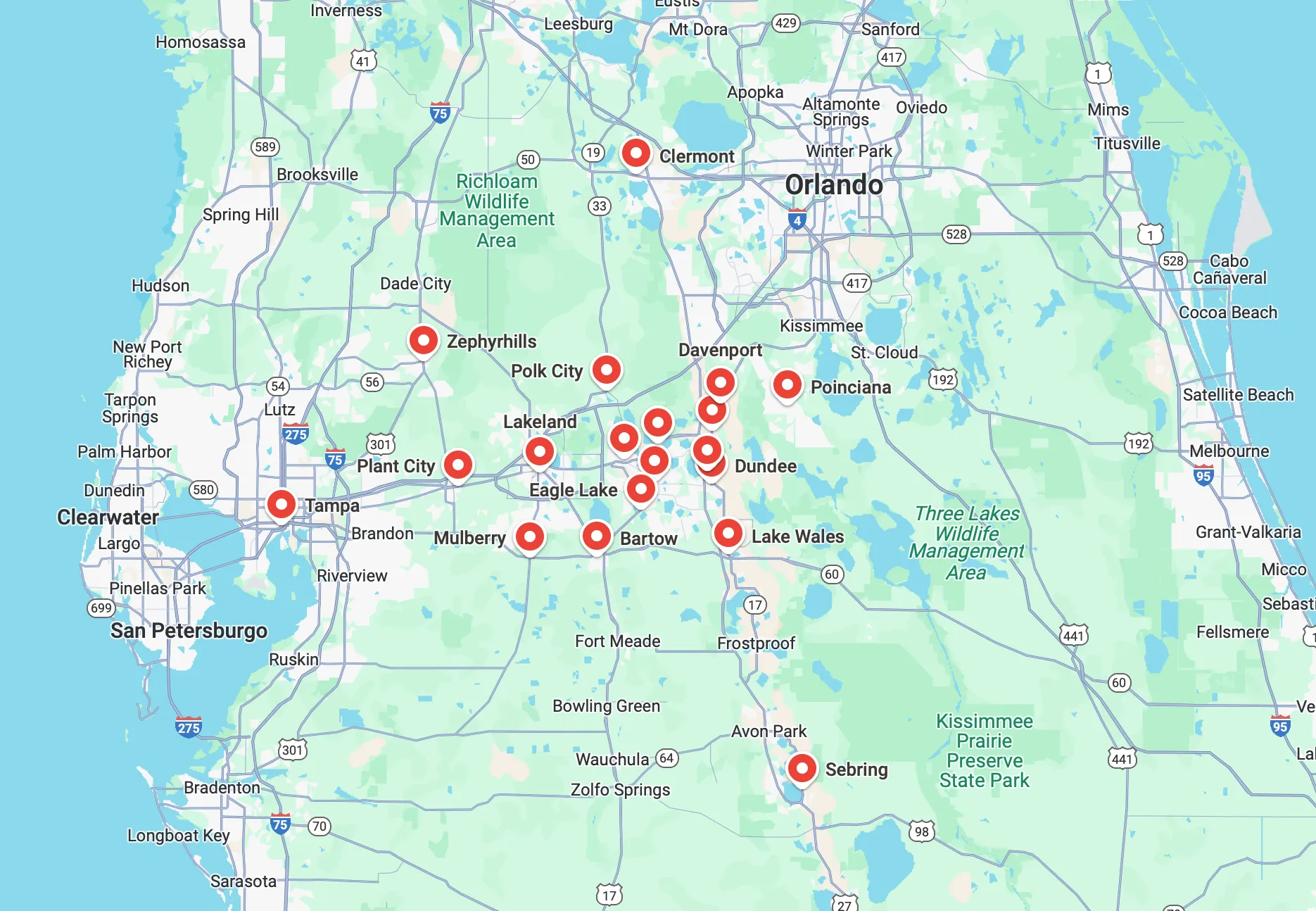
Service Areas