AC Maintenance in Eagle Lake, FL
AC Maintenance in Eagle Lake, FL
Proper AC maintenance in Eagle Lake, FL keeps your home comfortable through long, hot summers and protects your system from the effects of high humidity, frequent storms, and heavier-than-average run times. Regular preventive care reduces energy costs, extends equipment life, and lowers the chance of emergency breakdowns during peak heat.
-min.webp)
Why AC maintenance matters for Eagle Lake homes
Eagle Lake experiences hot, humid weather most of the year. That climate places constant demand on air conditioners, increasing wear on compressors, motors, and coils. Humidity encourages mold and mildew in drain pans and ductwork, while summer storms and increased pollen can clog filters and outdoor coils. Regular maintenance addresses these regional stressors so your system can run efficiently and reliably when you need it most.
Common AC maintenance issues in Eagle Lake
- Dirty or clogged filters that restrict airflow and reduce cooling capacity
- Frosted or dirty evaporator coils that lower efficiency and cause short cycling
- Low refrigerant levels from leaks, reducing cooling and raising energy use
- Failing capacitors, relays, or motors that lead to reduced performance or no cooling
- Clogged condensate drains and mildew in the drain pan causing water issues and odors
- Loose electrical connections that create safety hazards and intermittent operation
- Reduced airflow from duct leaks or blockages, especially in older homes
Preventive inspection checklist
A thorough AC maintenance visit covers visual inspection, testing, cleaning, and adjustments. Key items include:
- Air filter inspection and replacement (or recommendation) based on filter type and indoor air quality needs
- Evaporator and condenser coil cleaning to restore heat transfer efficiency
- Refrigerant check to confirm correct charge and look for signs of leaks
- Electrical system inspection including fuses, capacitors, contactors, and wire connections
- Blower motor and fan inspection for proper speed, wear, and lubrication needs
- Thermostat calibration and control system testing for accurate temperature control
- Condensate line and drain pan cleaning to prevent backups and microbial growth
- Ductwork assessment for obvious leaks, disconnected ducts, or insulation issues
- Compressor performance check and system pressure/temperature readings to verify operation
- Noise and vibration inspection to detect worn bearings or loose components
Seasonal tune-ups and recommended maintenance schedule
Because Eagle Lake homes rely on AC for most of the year, a consistent schedule delivers the best results:
- Spring (pre-summer) comprehensive tune-up: Full inspection and cleaning before peak cooling season. This is the most important service to ensure efficiency and reliability.
- Fall or early winter check: Lighter inspection focusing on reversing seasonal settings, checking heat strips or backup heating components if present, and preparing the system for lower usage.
- Quarterly filter checks or replacements: Replace or inspect filters every 1 to 3 months depending on filter type, household pets, and indoor air quality needs.
- Mid-season quick check: Optional quick inspection during the hottest months to catch issues early if your system works very hard.
For most central split systems in Eagle Lake, plan on at least two professional maintenance visits per year plus routine filter care by the homeowner.
What a professional maintenance visit includes (process)
A standard maintenance visit follows a consistent process to identify problems early:
- Review system history and past service notes.
- Visual and operational inspection of indoor and outdoor units.
- Clean or replace air filters and clean accessible coils and drain lines.
- Measure electrical and mechanical operating values and compare to manufacturer specifications.
- Test refrigerant pressures and temperatures to confirm proper charge.
- Lubricate moving parts as needed and tighten electrical connections.
- Verify thermostat accuracy and airflow deliverability.
- Provide a written summary of findings and recommend repairs or further diagnostics if needed.
This process prevents small issues from becoming costly failures and documents system condition for warranty compliance.
Benefits of regular servicing
- Improved energy efficiency: Clean coils and proper refrigerant levels lower energy consumption and utility bills.
- Longer equipment life: Preventive care reduces stress on major components and delays premature replacement.
- Fewer emergency repairs: Early detection keeps minor faults from escalating during peak use.
- Better indoor air quality: Clean filters, coils, and drains reduce dust, allergens, and microbial growth.
- Stable comfort levels: Accurate thermostat control and balanced airflow maintain consistent temperatures.
- Warranty protection: Many manufacturers require regular maintenance to keep warranties valid.
Service agreement options tailored for Eagle Lake
Maintenance programs generally come in tiered options to match homeowner needs and budgets:
- Basic Care: Annual or biannual tune-ups, standard checklist items, and recommended filter reminders. Good for well-maintained systems.
- Comprehensive Maintenance: Two professional tune-ups per year, priority scheduling, spring and fall inspections, filter replacement reminders, and discounts on diagnostics or repairs. Ideal for high-use Eagle Lake homes.
- Premium Protection: All benefits of Comprehensive plus annual coil cleaning, duct check, refrigerant leak detection, and upgraded parts coverage for select components. Best for older systems or homes with higher indoor air quality concerns.
Each program can be framed to include scheduled service windows aligned with Eagle Lake seasonal needs and documentation for warranty records.
How to enroll in a maintenance program
Enrollment is straightforward and typically follows these steps:
- Choose the plan level that matches your system age, household needs, and desired coverage.
- Provide basic system information such as make, model, and age to establish a maintenance record.
- Schedule the initial comprehensive tune-up, ideally in spring before peak cooling demand.
- Receive a maintenance calendar outlining upcoming visits, filter reminders, and seasonal tips.
- Maintain records of completed visits, findings, and recommendations for future planning.
Enrollment establishes predictable servicing that helps protect comfort, efficiency, and equipment value.
Practical maintenance tips for Eagle Lake homeowners
- Replace or check filters monthly during high pollen or heavy use months.
- Keep outdoor unit clear of debris, grass clippings, and overgrown vegetation.
- Ensure vents and registers are not blocked by furniture to maintain airflow.
- Monitor indoor humidity and use exhaust fans to reduce moisture loading on the AC.
- Note unusual sounds, odors, or reduced cooling and document the date and conditions to aid diagnostics.

Customer Testimonials

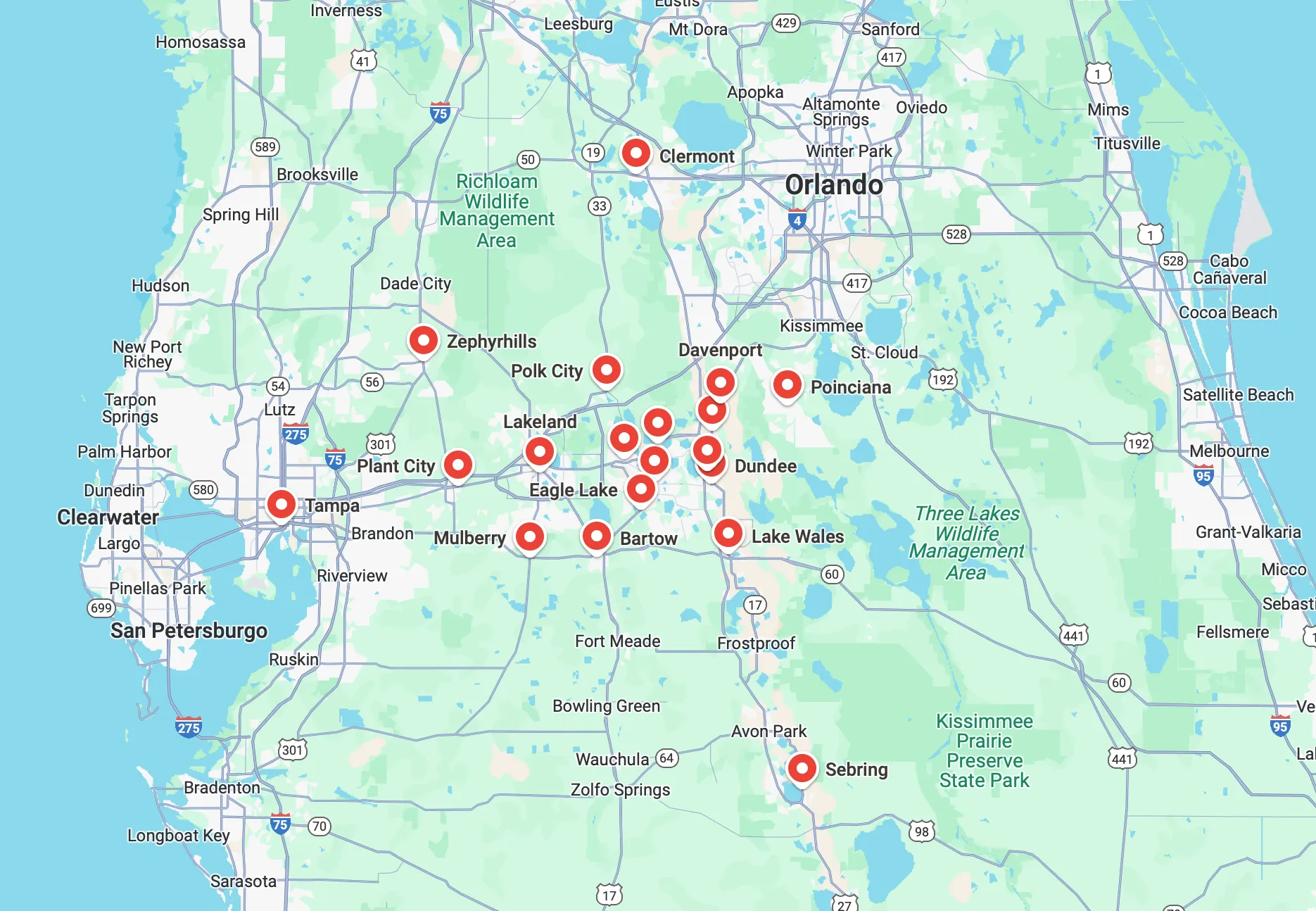
Service Areas