Mini Split Service in Clermont, FL
Mini Split Service in Clermont, FL
Mini split systems are a popular, efficient option for Clermont, FL homes and businesses. With hot, humid summers and frequent storm seasons, properly maintained mini splits deliver reliable cooling, consistent comfort, and lower energy use.
.jpeg)
Why timely mini split service matters in Clermont, FL
Clermont’s humid subtropical climate creates conditions that accelerate coil fouling, bacterial growth, and corrosion. High run times during long cooling seasons increase wear on compressors, fan motors, and electrical components. Regular service:
- Reduces energy costs by maintaining factory efficiency
- Prevents moisture-related issues like mold in drain pans and ductless wall cassettes
- Extends equipment life and protects warranty eligibility
- Minimizes risk of mid-summer failures during peak demand
Common mini split issues in Clermont, FL homes
- Weak or uneven cooling between indoor units and zones
- Higher electric bills despite normal usage patterns
- Water leaking from indoor units or clogged condensate drains
- Frozen indoor coils caused by airflow restrictions or low refrigerant
- Strange noises from blowers, compressors, or vibration mounts
- Musty or moldy odors from blocked drain lines or contaminated coils
- Short cycling or long run times signaling system imbalance or electrical faults
What a professional mini split diagnostic includes
A thorough diagnostic pinpoints the root cause before recommending repairs. Typical diagnostic steps:
- Visual inspection of indoor and outdoor units for debris, corrosion, and animal damage
- Filter condition check and recommended replacement intervals
- Coil inspection and surface cleaning assessment
- Refrigerant pressure check and leak-detection testing (if pressures are outside spec)
- Electrical inspection: contactors, capacitors, wiring, breakers, and safety devices
- Airflow measurement and static pressure evaluation at indoor units
- Temperature split test between supply and return air
- Communication and inverter diagnostics on multi-zone systems
- Drain line and condensate pan inspection and cleaning
- Performance report with prioritized recommendations
Seasonal tune-ups: what we inspect and adjust
Regular seasonal tune-ups address wear points and optimize performance for changing loads.
- Pre-summer (March–April): focus on cooling capacity, refrigerant levels, outdoor coil cleaning, blower performance, and condensate flow to prepare for heavy cooling demand.
- Pre-wet season / late summer (August–September): address humidity control, check for mold growth, and ensure drain systems are clear following heavy rains.
- Optional winter check (November–December) for homes that use heat mode: ensure reversing valves, heater elements, and defrost cycles are operating properly.
A typical tune-up includes:
- Replace or clean filters
- Clean indoor and outdoor coils and fins
- Clear debris from outdoor unit, straighten fins as needed
- Inspect and test thermostats/controls, remotes, and zone settings
- Lubricate motors (if applicable) and tighten electrical connections
- Test run and verify temperature differentials and system stability
Filter, coil, and drain care specifics
- Filters: Recommend inspecting filters monthly during peak season and replacing every 1–3 months depending on household conditions (pets, pollen, construction nearby).
- Coils: Evaporator and condenser coils collect dust and biological growth that reduce heat transfer. Professional coil cleaning restores capacity and helps prevent odors.
- Drain lines and pans: In Clermont’s humidity, drain lines can clog with slime. We clear, flush, and treat drains to prevent overflows and microbial growth.
Refrigerant and electrical inspections
- Refrigerant: Proper refrigerant charge is essential for capacity and efficiency. Technicians measure pressures, temperature split, and use leak-detection tools. Refrigerant is recharged only after repairs to stop leaks.
- Electrical: Loose connections, bad capacitors, or failing contactors cause failures and fire risk. A full electrical inspection includes amp draws, voltage checks, and controls verification to ensure safe, reliable operation.
Performance testing and verification
Performance testing confirms the system meets design expectations:
- Temperature split testing across indoor evaporator coil
- Current draw measurements on fan and compressor motors
- Run-time analysis and cycle frequency
- Indoor comfort verification in each zone
- Refrigerant pressure and superheat/subcooling checks on applicable systems
Recommended maintenance schedule for Clermont, FL
- Homeowners without heavy indoor contaminants: professional inspection and tune-up twice per year (pre-summer and late summer).
- Homes with pets, high pollen, or dusty conditions: quarterly filter checks and semiannual professional tune-ups.
- Multi-zone or high-use systems: semiannual professional service plus quarterly filter maintenance.
- After storms or extended outages: inspect outdoor units for debris, and verify drain lines and electrical connections.
Service plan options (what each tier commonly includes)
Plans are typically structured to match frequency and coverage needs. Examples of commonly offered tiers (descriptions only):
- Basic Plan: Annual tune-up, priority booking windows during peak season, and discount on diagnostic fees.
- Standard Plan: Two tune-ups per year (pre-summer and late summer), filter change reminders, condensate cleaning, and small-parts labor discounts.
- Premium Plan: Quarterly inspections, priority emergency scheduling, comprehensive electrical and refrigerant checks at each visit, and reduced labor rates for repairs and parts replacements.
Each plan is designed to protect efficiency, reduce emergency repairs, and prolong equipment life. Plans can be customized to account for homes with multiple indoor units or commercial applications.
Benefits of regular mini split servicing
- Lower monthly energy costs through maintained efficiency
- Fewer emergency repairs and replacements during peak cooling season
- Improved indoor air quality by reducing mold, pollen, and dust buildup
- Extended compressor and motor life through proper lubrication and electrical checks
- Documentation to support manufacturer warranties and resale value
Maintenance tips for Clermont homeowners
- Inspect and replace washable filters every 1–3 months
- Keep outdoor units clear of leaves, grass, and mulch—allow 2–3 feet of clearance
- Run fans or set economy modes to help control humidity without excessive runtime
- After heavy storms, check outdoor unit mounting and condensate drain paths
- Consider UV or antimicrobial treatments inside indoor units if you have recurring odors or allergies
Regular, preventive mini split service in Clermont, FL protects performance against local climate stresses and keeps your home comfortable year-round. Proper scheduling, attention to filters and drains, and professional diagnostic testing reduce operating costs and prolong system life—helping your mini split deliver dependable comfort when you need it most.

Customer Testimonials

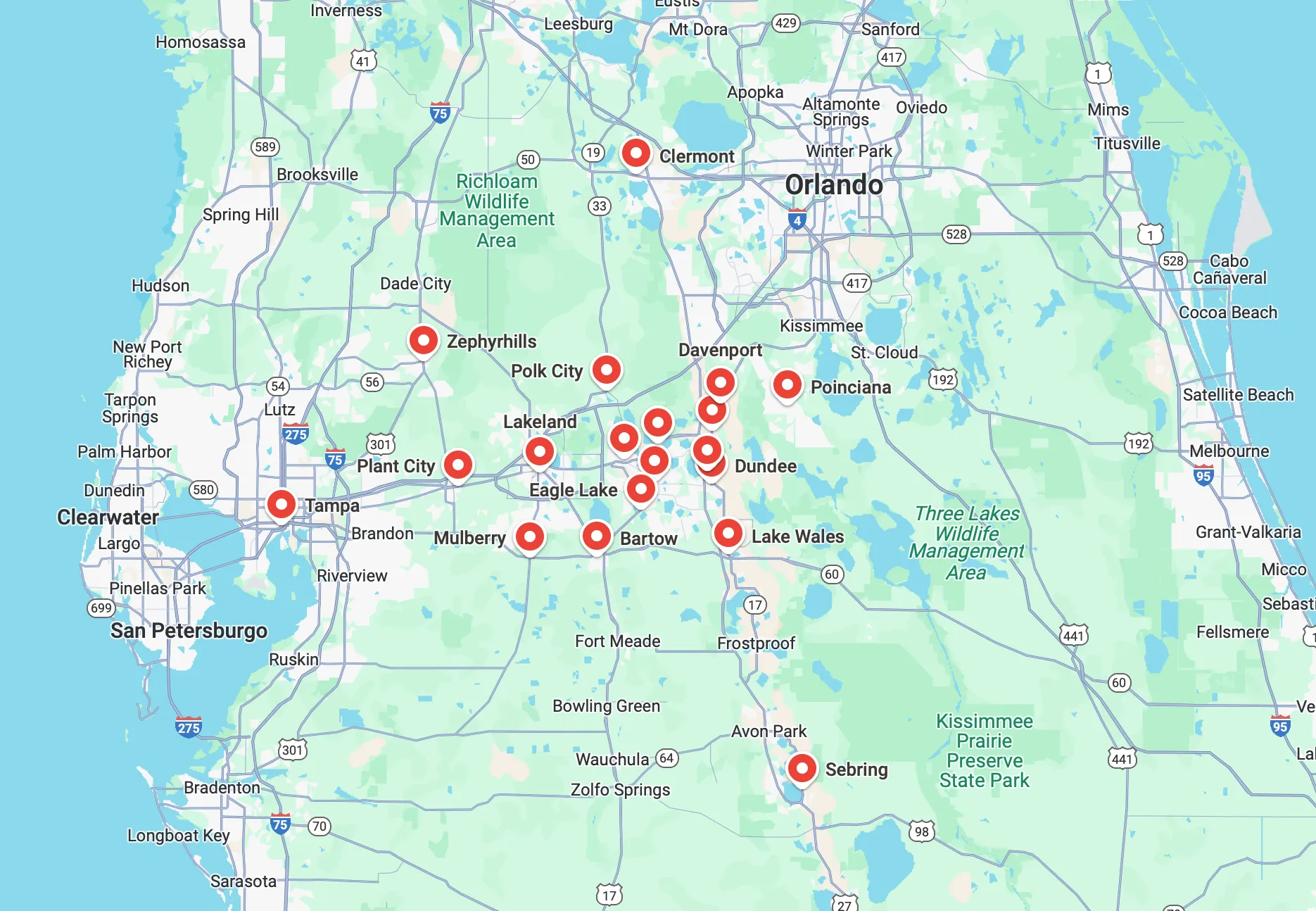
Service Areas