Mini Split Repair in Tampa, FL
Mini Split Repair in Tampa, FL
When Tampa temperatures spike and humidity soaks the air, a properly functioning mini split is essential for comfort and indoor air quality. Mini Split Repair in Tampa, FL focuses on diagnosing and fixing the specific components that fail most often in coastal, humid climates: compressors, fans, controls, and refrigerant systems.
.jpeg)
Common mini split repair issues in Tampa homes
- Compressor problems: Signs include the outdoor unit running but not cooling, loud knocking, or short cycling. High humidity and frequent cycling in Tampa can accelerate wear on compressors.
- Fan motor or blower failures: Reduced airflow, rattling noises, or no air from the indoor or outdoor fan. Salt air and debris from storms increase corrosion risk for outdoor fan motors.
- Thermostat and control malfunctions: Erratic temperature readings, unresponsive remotes, or erratic on/off behavior. Electronic control boards in humid environments can develop solder joint issues or sensor faults.
- Refrigerant leaks: System loses cooling capacity over time, ice on the indoor coil, or low high-side/low-side pressures. Pinhole leaks from vibration, corrosion, or damaged line sets are common.
- Electrical faults and component failures: Tripped breakers, burned connectors, or failed capacitors and contactors. Tampa power fluctuations and seasonal storms can stress electrical components.
- Drain and condensate issues: Overflow, water stains, or mold due to clogged drain lines or pans, exacerbated by high humidity.
- Reversing valve or multi-zone actuator issues: In heat pump systems, improper heating/cooling mode or stuck valves can occur after hard cycling or power events.
Diagnostic process: what technicians check
A thorough mini split diagnostic in Tampa typically includes:
- Visual inspection of indoor and outdoor units for corrosion, debris, and physical damage.
- Electrical testing of breakers, contactors, capacitors, motors, and control boards for voltage, continuity, and proper startup currents.
- Refrigerant system evaluation: pressure readings on both high and low sides, temperature split analysis, and detection of undercharge or overcharge conditions.
- Leak detection using electronic detectors, UV dye, and pressure or vacuum testing when needed.
- Control and thermostat testing including firmware/remote checks, sensor validation, and control board diagnostics.
- Airflow measurement and coil inspection for blockages, dirt, or ice.This step-by-step approach isolates the root cause so repairs fix the system rather than masking symptoms.
Typical repairs and parts replacement
Common repair actions performed after diagnosis:
- Capacitor replacement: Restores reliable motor start and run performance.
- Fan motor replacement: Indoor or outdoor blower swap if bearings or windings fail.
- Control board and sensor replacement: Fixes erratic behavior, communication errors, and faulty temperature sensing.
- Compressor repair or replacement: Required for mechanical failure, seizure, or major internal damage.
- Refrigerant line repair and recharge: Repairing corroded or damaged line sets, brazing joints, and evacuating and recharging the system.
- Drain cleaning and pan repair: Clears clogs and repairs cracked pans to prevent water damage and mold.
- Filter and coil cleaning: Restores airflow and heat transfer efficiency.Parts selection matters in Tampa because coastal corrosion can shorten the life of exposed components. Technicians may recommend corrosion-resistant replacements or protective treatments for outdoor sections.
Refrigerant leak detection and recharge
Detecting and repairing refrigerant leaks is a multi-step process:
- Identify low charge via pressure testing and temperature measurements.
- Use electronic leak detectors, UV dye, or bubble testing under pressure to locate leaks.
- Repair or replace the leaking component or line set. Leak repair must occur before recharging to avoid repeated service calls.
- Evacuate the system to remove moisture and noncondensables, then recharge to the correct manufacturer-specified charge.Because refrigerant handling is regulated and requires specialized equipment and training, proper leak repair and evacuation are essential for long-term performance and compliance with environmental rules.
Electrical troubleshooting and safety
Electrical faults are a common cause of mini split failures. Professional troubleshooting includes:
- Verifying correct supply voltage and secure connections.
- Testing start and run capacitors, contactors, relays, and fuses.
- Inspecting wiring for corrosion, rodent damage, or loose terminations.
- Checking ground continuity and safety interlocks.Safer, code-compliant repairs reduce risk of repeat failures especially after storms or lightning events that are frequent in Tampa.
Turnaround times and what to expect
- Diagnostic visits typically take 1 to 2 hours depending on system complexity and access.
- Minor repairs such as capacitor, filter, or sensor replacement are often completed the same day.
- More complex jobs like compressor or line set replacement may require ordering parts and can take several days depending on part availability and scheduling.
- Emergency situations during peak summer or after storms can extend wait times due to high demand.
Pricing factors (not specific costs)
Repair cost depends on:
- Type and availability of replacement parts and whether OEM components are used.
- Age and model of the mini split system.
- Extent of refrigerant recovery and line set work required.
- Accessibility of indoor and outdoor units and any needed restoration work after leak or water damage.
- Emergency or after-hours service needs.Documenting the diagnosis and the parts required helps clarify why recommendations vary from one repair to another.
Warranty, parts policies, and documentation
- Manufacturer warranties cover specific parts for set durations; installer or workmanship warranties may cover labor for a limited period after repair.
- Keep documentation of maintenance, diagnostic reports, and replaced parts for warranty claims.
- Confirm whether replaced components are new OEM parts, refurbished, or aftermarket, and request warranty terms in writing.
Emergency repair tips and preventing future breakdowns in Tampa
Short-term emergency tips:
- Reset the breaker only once; repeated trips indicate a deeper problem.
- Change or clean filters to restore airflow.
- If you smell burning or see smoke, cut power to the unit and avoid running it.
- Remove debris and leaves from around the outdoor unit and keep the area clear after storms.Prevention in a humid, coastal environment:
- Schedule seasonal tune-ups before summer to check refrigerant, electricals, coils, and drainage.
- Use corrosion-resistant coatings or stainless fasteners on exposed outdoor components.
- Keep drain lines and pans clean and insulated.
- Replace old insulation on refrigerant lines to prevent condensation and energy loss.Regular maintenance reduces emergency repairs and extends equipment life in Tampa’s humid and corrosive climate.
Timely diagnosis and repair restore comfort quickly, protect indoor air quality, and prevent more costly failures. Proper documentation and preventive maintenance tailored to Tampa conditions lead to fewer service calls and longer system life.

Customer Testimonials

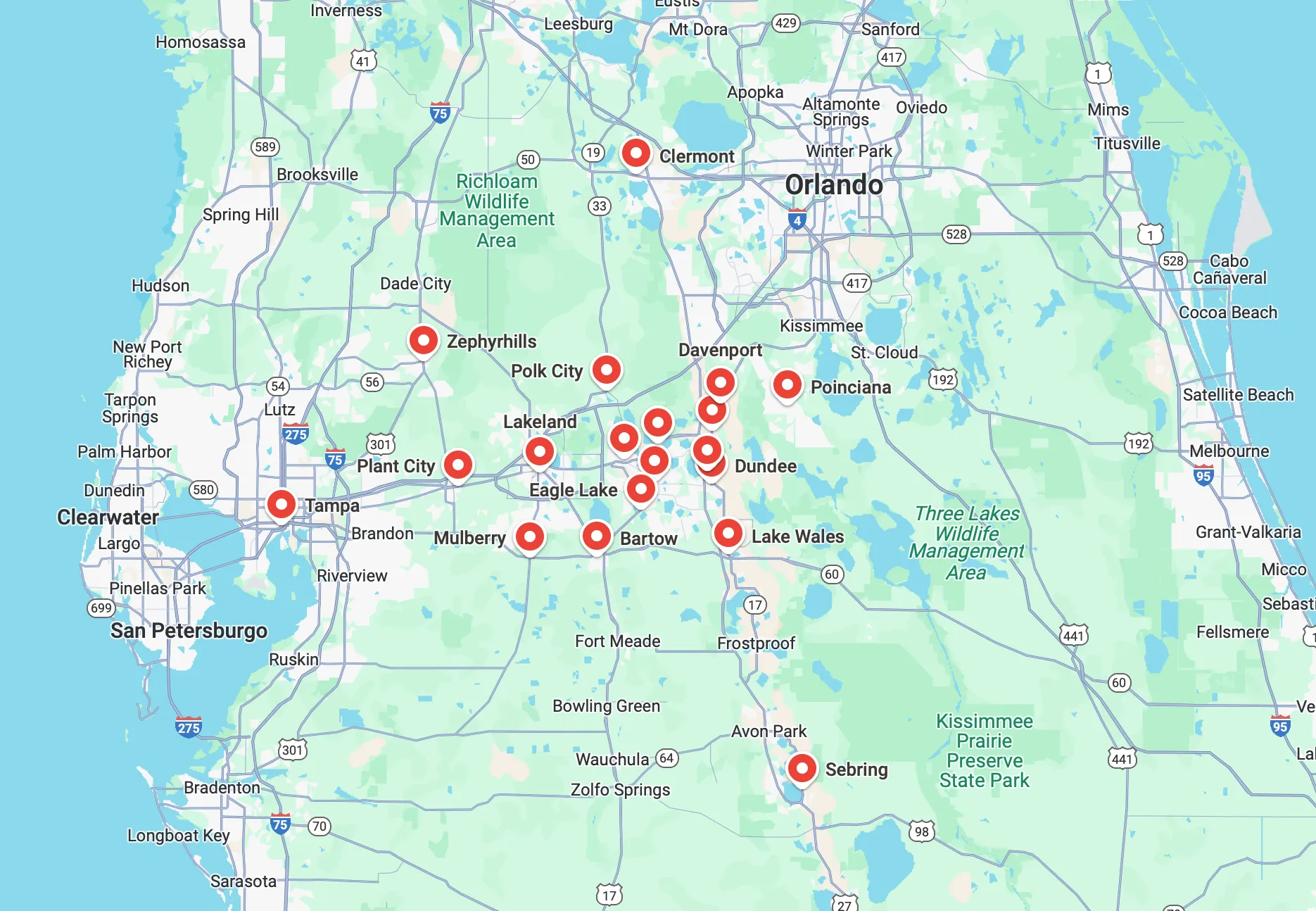
Service Areas