Mini Split Repair in Davenport, FL
Mini Split Repair in Davenport, FL
A malfunctioning mini split during Davenport’s hot, humid months can quickly turn a comfortable home into an uncomfortable one. Professional mini split repair in Davenport, FL focuses on diagnosing faults quickly, restoring reliable cooling, and protecting system efficiency so your living spaces stay comfortable through summer heat and frequent humidity.
.jpeg)
Common mini split issues in Davenport, FL
Homes in Davenport see heavy annual run-time on cooling equipment and exposure to high humidity and occasional storms. That combination produces a predictable set of failures:
- Refrigerant leaks -Low refrigerant reduces cooling capacity and can damage the compressor if left unchecked. Leaks are common at service fittings, brazed joints, or corrosion-prone coils.
- Compressor or outdoor fan motor failures - High runtime and voltage variations during storms contribute to motor and compressor wear.
- Electrical issues - Faulty capacitors, contactors, wiring, or tripped breakers often present as intermittent operation or complete failure to start.
- Sensor faults and control errors - Temperature sensors, communication modules, or control boards can fail or report incorrect readings, causing short cycling or inaccurate temperature control.
- Drainage and condensate problems - Clogged drain lines or malfunctioning condensate pumps cause water leaks or indoor humidity issues.
- Filters, indoor blower problems, and blocked airflow - Dirty filters, obstructed indoor units, or damaged blower motors reduce efficiency and can trigger fault codes.
- Storm-related damage and power surges - Lightning, flooding, or debris from storms can damage electrical components or the outdoor coil.
Diagnostic process for mini split repair in Davenport, FL
A consistent, methodical diagnostic approach reduces unnecessary parts replacement and identifies the correct repair quickly:
- Visual inspection of indoor and outdoor units for damage, debris, drowning condensate pans, and obvious leaks.
- Check error codes and control communication - Most mini splits display service codes. Technicians review the control board and remote settings.
- Electrical testing - Measure voltage, current draw, and test capacitors, contactors, and wiring for continuity and shorts.
- Refrigerant system checks - Use gauges and leak detection tools to verify operating pressures, superheat/subcooling, and to locate leaks if pressures are low.
- Airflow and indoor checks - Inspect filters, evaporator coils, and blower assemblies to confirm proper airflow and heat exchange.
- Condensate and drainage verification - Ensure drains and condensate pumps are clear and functioning.
- Documentation and recommendations -Technicians record findings, parts needed, and whether repair or replacement is the most reliable option.
Typical repair methods and parts used
Repairs prioritize safety, system longevity, and returning the unit to manufacturer specifications:
- Refrigerant leak repair - Locate and repair leak points (brazing or replacing small sections), evacuate and vacuum the system, install a new filter/drier, and recharge with manufacturer-specified refrigerant.
- Compressor replacement or clutch repair -When compressors fail, complete compressor changeouts are done using recovery and evacuation equipment and new oil matched to system requirements.
- Fan motor and blower repair or replacement - Replace worn motors, bearings, or blower assemblies; balance fans to prevent vibration.
- Electrical component replacement - Replace capacitors, contactors, control boards, sensors, or thermostats; correct wiring and tighten connections to prevent future issues.
- Drain and condensate solutions - Clear or replace drain lines, service condensate pumps, and seal pans to prevent leaks.
- Coil cleaning and corrosion treatment - Clean indoor evaporator and outdoor condenser coils; apply protective coatings when corrosion is present.
- System safeguards - Install surge protection or hard-start kits when appropriate to protect from voltage issues common during storm season.
When a system is severely corroded, repeatedly leaking, or the compressor is irreparably damaged, replacement may be the safer long-term choice. Technicians compare repair longevity versus replacement cost and system age.
Estimated repair timeframes and emergency service options
Timeframes vary by fault and parts availability:
- Simple electrical or control fixes: 1 to 3 hours
- Filter, blower, or drain clearing: 1 to 2 hours
- Sensor or PCB replacement: 1 to 4 hours depending on model access
- Refrigerant leak location and repair with evacuation/recharge: 3 to 6+ hours (may require parts ordering)
- Compressor replacement or major outdoor repairs: half-day to full day; complex or warranty-related work can extend to multiple days if special parts are needed
Because Davenport experiences peak cooling demand and occasional storm-related failures, many service providers offer emergency or same-day response options during heat waves and after storms. Same-day capability depends on parts availability and technician scheduling.
Warranty and guarantee information
Understanding warranties helps protect your investment:
- Manufacturer warranties typically cover compressors and major components for a set number of years; they do not usually cover labor unless specified by the installer at purchase.
- Parts warranties from aftermarket suppliers vary; get written documentation on parts coverage.
- Service workmanship guarantees are commonly provided by professional repair technicians (for example, limited time guarantees on labor or specific repairs). Request written terms before work begins.
- Documentation - Keep your installation date, model and serial numbers, and any service records handy to validate warranty claims.
Always confirm that replacement parts meet manufacturer specifications to avoid voiding existing warranties.
Troubleshooting tips for Davenport homeowners
Simple checks can save time and help technicians diagnose problems more efficiently:
- Check circuit breakers and disconnect switches before assuming the unit is broken.
- Inspect and replace or clean filters monthly during peak use to maintain airflow and efficiency.
- Ensure the outdoor unit is clear of debris, grass, leaves, and standing water-especially after storms.
- Note and record any error codes displayed on the indoor unit or controller; take a photo if possible.
- Reset the unit by briefly switching the breaker off for 30 seconds, then back on to clear transient electronic faults (do not repeatedly cycle power).
- Monitor for unusual sounds, diminished cooling, or water leaks and note when the issue began and any recent weather events.
- Do not attempt refrigerant handling or brazing repairs-those require certified technicians and specialized equipment.
What to prepare when requesting service
To speed diagnosis and ensure an accurate repair estimate, have the following information available:
- Unit model and serial numbers (usually on the outdoor unit nameplate)
- Description of symptoms, error codes, and when the problem started
- Any recent maintenance history or warranty paperwork
- Photos of indoor and outdoor units and wiring or leak evidence if possible
- Any relevant household events (recent storms, power outages, or electrical work)
Having this information ready helps technicians come prepared with the right parts and tools, reducing call-backs and repair time.

Customer Testimonials

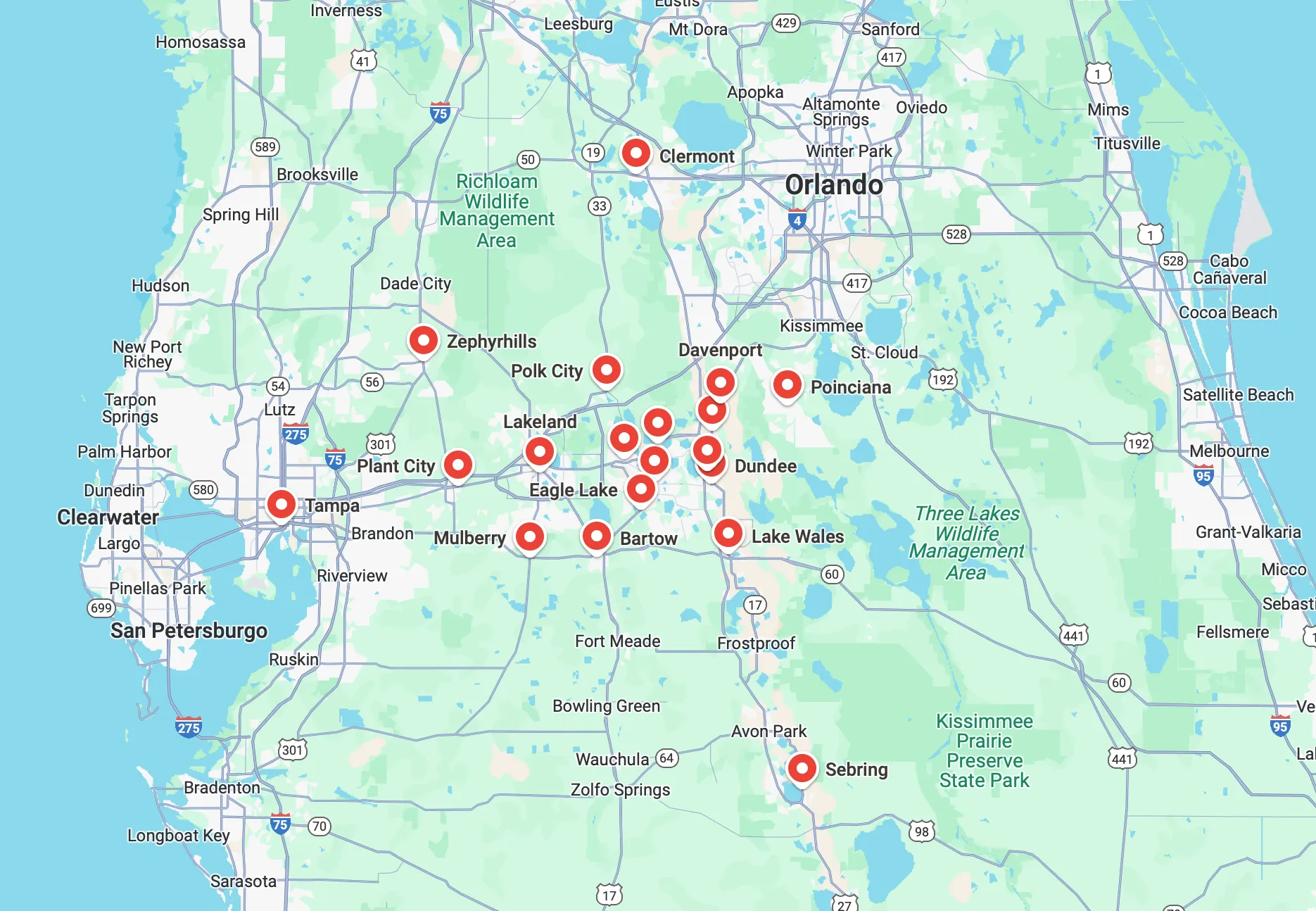
Service Areas